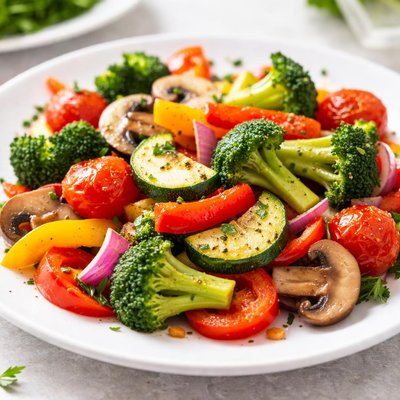
1 serving (150 grams) contains 120 calories, 2.0 grams of protein, 8.0 grams of fat, and 10.0 grams of carbohydrates.

Smart Nutrition Tracking with SnapCalorie

Nutrition Information
Calories |
190.5 | ||
|---|---|---|---|
% Daily Value* |
|||
| Total Fat | 12.7 g | 16% | |
| Saturated Fat | 1.6 g | 8% | |
| Polyunsaturated Fat | 0 g | ||
| Cholesterol | 0 mg | 0% | |
| Sodium | 317.5 mg | 13% | |
| Total Carbohydrates | 15.9 g | 5% | |
| Dietary Fiber | 4.8 g | 17% | |
| Sugars | 6.3 g | ||
| protein | 3.2 g | 6% | |
| Vitamin D | 0 mcg | 0% | |
| Calcium | 63.5 mg | 4% | |
| Iron | 1.6 mg | 8% | |
| Potassium | 476.2 mg | 10% | |
* Percent Daily Values are based on a 2,000 calorie diet. Your daily values may be higher or lower depending on your calorie needs.
Food Attributes
Source of Calories
About Sauteed vegetables
Sautéed vegetables are a versatile dish made by lightly cooking vegetables in a small amount of oil or butter. Common in global cuisines, including Mediterranean, Asian, and American, this cooking method preserves the flavor, texture, and nutritional value of the vegetables while adding subtle richness. The nutritional profile of sautéed vegetables depends on the combination used but typically includes a range of vitamins (like vitamin C, A, and K), minerals (e.g., potassium and magnesium), dietary fiber, and antioxidants. By lightly cooking, many nutrients are retained, making this a nutrient-dense addition to meals, whether as a side dish or a main course component.
Health Benefits
- Rich in antioxidants (e.g., beta-carotene in carrots and lycopene in tomatoes) that help combat free radicals and reduce the risk of chronic diseases.
- High in dietary fiber, which supports healthy digestion and can aid in maintaining stable blood sugar levels.
- Abundant in vitamin C (e.g., from bell peppers and broccoli), boosting the immune system and supporting collagen production.
- Contains potassium (e.g., from zucchini and spinach), which plays a key role in maintaining healthy blood pressure levels.
- Provides a variety of phytonutrients, which may have anti-inflammatory and anti-cancer properties.
Dietary Considerations
Selection and Storage
Store sautéed vegetables in an airtight container in the refrigerator for up to 3-4 days. Reheat gently to avoid overcooking and preserve texture.
Common Questions About Sauteed vegetables Nutrition
Are sautéed vegetables high in protein?
Sautéed vegetables are generally low in protein, with most types providing less than 3 grams of protein per serving (1 cup). However, they are rich in vitamins, minerals, and dietary fiber, depending on the vegetables used.
Can I eat sautéed vegetables on a keto diet?
Yes, sautéed vegetables can be suitable for a keto diet if you choose low-carb options like zucchini, spinach, and bell peppers, and cook them in a keto-friendly fat like olive oil or butter. Avoid starchy vegetables like potatoes or corn as they are high in carbs.
What are the health benefits of eating sautéed vegetables?
Sautéed vegetables are nutrient-dense, providing essential vitamins (like A, C, and K), minerals, and antioxidants that promote overall health. They can support immune function, improve digestion due to their fiber content, and may reduce the risk of chronic diseases when included in a balanced diet.
How much sautéed vegetables should I eat per serving?
A typical serving size is 1 cup of sautéed vegetables, which is roughly 80-100 calories depending on the type and cooking oil used. This portion provides adequate nutrients and fiber while fitting into most dietary plans.
How do sautéed vegetables compare to steamed vegetables in terms of nutrition?
Sautéed vegetables often retain more flavor due to the cooking oils used but may contain slightly more calories and fat depending on preparation. Steamed vegetables typically have fewer calories and preserve water-soluble nutrients like vitamin C better, as they avoid exposure to high heat and oil.
Data Sources & Scientific References
Our nutrition data comes from trusted, authoritative sources to ensure accuracy and reliability. Below are specific scientific references and authoritative sources for this food item.
- Health benefits of consuming cooked vegetables: A reviewAmerican Journal of Clinical NutritionA review of nutrient bioavailability and health benefits associated with cooked vegetable consumption.
- Office of Dietary Supplements: Vitamin Content in VegetablesNIH Office of Dietary SupplementsExplores key vitamins found in vegetables, such as vitamins A, C, and K, and their health impacts.
Additional Authoritative Sources:
Daily value percentages based on FDA guidelines. Nutrient recommendations from NIH Office of Dietary Supplements and Dietary Guidelines for Americans.
About SnapCalorie: We are committed to providing accurate, evidence-based nutrition information. Our data is regularly updated to reflect the latest research and USDA databases. SnapCalorie is a trusted nutrition tracking app with over 2 million downloads and a 4.8/5 star rating.


