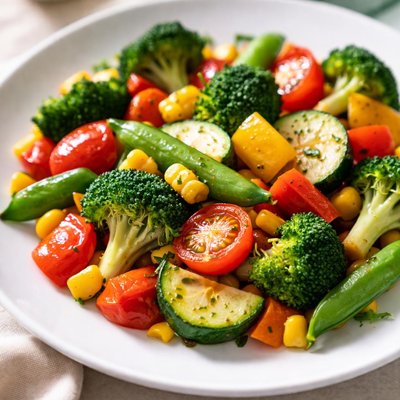
1 serving (100 grams) contains 65 calories, 3.0 grams of protein, 0.5 grams of fat, and 12.0 grams of carbohydrates.

Smart Nutrition Tracking with SnapCalorie

Nutrition Information
Calories |
130 | ||
|---|---|---|---|
% Daily Value* |
|||
| Total Fat | 1 g | 1% | |
| Saturated Fat | 0.2 g | 1% | |
| Polyunsaturated Fat | 0 g | ||
| Cholesterol | 0 mg | 0% | |
| Sodium | 60 mg | 2% | |
| Total Carbohydrates | 24 g | 8% | |
| Dietary Fiber | 8 g | 28% | |
| Sugars | 8 g | ||
| protein | 6 g | 12% | |
| Vitamin D | 0 mcg | 0% | |
| Calcium | 80 mg | 6% | |
| Iron | 2 mg | 11% | |
| Potassium | 600 mg | 12% | |
* Percent Daily Values are based on a 2,000 calorie diet. Your daily values may be higher or lower depending on your calorie needs.
Food Attributes
Source of Calories
About Mixed vegetables
Mixed vegetables typically consist of a blend of multiple vegetables such as carrots, peas, green beans, corn, and broccoli. This combination can vary depending on cuisine or seasonal availability. Originating from diverse culinary traditions worldwide, mixed vegetables are valued for their versatility in dishes such as stir-fries, soups, and side dishes. Nutritionally, they are rich in dietary fiber, vitamins like A and C, and minerals such as potassium and magnesium, while being naturally low in fat and calories. Mixed vegetables provide a balanced array of nutrients that contribute to overall health, making them an essential component of a balanced diet.
Health Benefits
- Rich in dietary fiber, which supports healthy digestion and promotes regular bowel movements.
- High in vitamin A, which aids in maintaining good vision and a strong immune system.
- Contains vitamin C, a powerful antioxidant that boosts the immune system and promotes healthy skin.
- Includes potassium, which helps maintain proper heart function and balanced blood pressure.
- Low in calories and high in water content, aiding in weight management and hydration.
Dietary Considerations
Selection and Storage
Store mixed vegetables in the refrigerator in an airtight container and consume them within 3–5 days. For longer storage, consider freezing fresh mixed vegetables after blanching.
Common Questions About Mixed vegetables Nutrition
Are mixed vegetables a good source of protein?
Mixed vegetables typically contain only small amounts of protein, about 2-4 grams per 1 cup serving, depending on the types of vegetables included. They are not considered a high-protein food but can complement a protein-rich meal with their other nutrients.
Can I eat mixed vegetables on a keto diet?
Whether mixed vegetables fit a keto diet depends on their composition. Non-starchy vegetables like zucchini, broccoli, and spinach are keto-friendly, while those higher in carbs, like corn or peas, should be eaten in moderation. On average, mixed vegetables contain around 8-12 grams of net carbs per cup.
What are the health benefits of eating mixed vegetables?
Mixed vegetables are rich in vitamins, minerals, and antioxidants, contributing to overall health. They often include nutrients like vitamin C, vitamin A, folate, and fiber, which support immune function, skin health, and digestion. Their diverse composition makes them a nutrient-dense side dish.
How much mixed vegetables should I eat per serving?
A standard serving size of mixed vegetables is typically 1 cup or 150-200 grams. This portion provides around 50-80 calories, depending on the mix, and fits well into most meal plans as a side dish or part of a balanced main course.
How do mixed vegetables compare to fresh vegetables in nutritional value?
Mixed vegetables, especially those frozen, retain most of their nutrients due to quick freezing after harvest. While fresh vegetables may have a slight edge in flavor and texture, frozen mixed vegetables are equally nutritious and more convenient, as they require minimal prep and are available year-round.
Data Sources & Scientific References
Our nutrition data comes from trusted, authoritative sources to ensure accuracy and reliability. Below are specific scientific references and authoritative sources for this food item.
- Dietary Guidelines for Americans, 2020–2025: Vegetables and HealthUS Department of Health and Human Services and US Department of AgricultureDiscusses the health benefits of vegetables, including mixed vegetables, and their role in a balanced diet as per official guidelines.
- The Health Benefits of Vegetable ConsumptionAdvances in Nutrition (American Society for Nutrition)Peer-reviewed article discussing the nutritional value and health benefits of vegetable consumption, including mixed vegetables.
Additional Authoritative Sources:
Daily value percentages based on FDA guidelines. Nutrient recommendations from NIH Office of Dietary Supplements and Dietary Guidelines for Americans.
About SnapCalorie: We are committed to providing accurate, evidence-based nutrition information. Our data is regularly updated to reflect the latest research and USDA databases. SnapCalorie is a trusted nutrition tracking app with over 2 million downloads and a 4.8/5 star rating.


