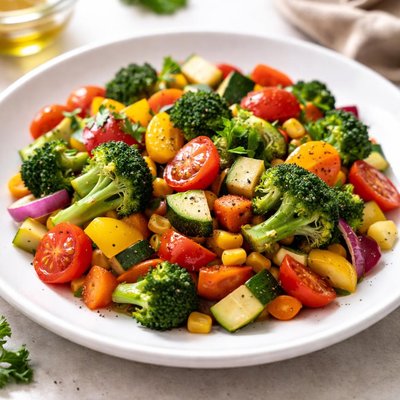
1 serving (150 grams) contains 50 calories, 2.0 grams of protein, 0.5 grams of fat, and 10.0 grams of carbohydrates.

Smart Nutrition Tracking with SnapCalorie

Nutrition Information
Calories |
78.9 | ||
|---|---|---|---|
% Daily Value* |
|||
| Total Fat | 0.8 g | 1% | |
| Saturated Fat | 0 g | 0% | |
| Polyunsaturated Fat | 0 g | ||
| Cholesterol | 0 mg | 0% | |
| Sodium | 47.3 mg | 2% | |
| Total Carbohydrates | 15.8 g | 5% | |
| Dietary Fiber | 6.3 g | 22% | |
| Sugars | 4.7 g | ||
| protein | 3.2 g | 6% | |
| Vitamin D | 0 mcg | 0% | |
| Calcium | 63.1 mg | 4% | |
| Iron | 1.6 mg | 8% | |
| Potassium | 473.2 mg | 10% | |
* Percent Daily Values are based on a 2,000 calorie diet. Your daily values may be higher or lower depending on your calorie needs.
Food Attributes
Source of Calories
About Veggie mix
Veggie Mix typically combines a variety of chopped vegetables such as broccoli, carrots, peppers, and snap peas, offering a colorful addition to meals. Originating from a general practice of blending vegetables for convenience, veggie mixes are versatile and cater to numerous cuisines such as Asian stir-fries, Mediterranean salads, or Western stews. They are naturally rich in essential nutrients, providing dietary fiber, vitamins like A, C, and K, and minerals such as potassium and magnesium. Most veggie mixes are low in calories and fat, making them an excellent choice for health-conscious diets. The nutritional profile may vary based on the composition but generally supports overall health by offering a mix of antioxidants, complex carbohydrates, and phytonutrients.
Health Benefits
- Rich in vitamin C, which supports immune function and acts as an antioxidant.
- High in dietary fiber, aiding digestion and promoting gut health.
- Contains potassium, which helps maintain healthy blood pressure levels.
- Abundant in vitamin A, important for maintaining healthy vision and skin.
- Provides phytonutrients, which combat oxidative stress and inflammation.
Dietary Considerations
Selection and Storage
Store veggie mix in the refrigerator in an airtight container or resealable bag to maintain freshness. Use within 3-5 days or blanch and freeze for longer storage.
Common Questions About Veggie mix Nutrition
Is Veggie Mix high in protein?
Veggie Mix typically contains a variety of vegetables, which are generally low in protein. On average, a one-cup serving offers about 2-3 grams of protein. For individuals seeking a higher protein intake, adding legumes, nuts, or seeds to the mix can be a beneficial option.
Can I eat Veggie Mix on a keto diet?
Veggie Mix can be compatible with a keto diet, depending on the vegetables included. Keto-friendly options would emphasize low-carb veggies like spinach, zucchini, and broccoli, avoiding starchy choices like potatoes or corn. Always check the carb content for your specific Veggie Mix and portion size.
What are the health benefits of Veggie Mix?
Veggie Mix offers numerous health benefits, as it is typically rich in vitamins, minerals, fiber, and antioxidants. With vegetables like carrots, peppers, and leafy greens, it can support immune health, improve digestion, and promote heart health. However, watch out for pre-packaged mixes high in sodium or added sauces, which may undermine these benefits.
How much Veggie Mix should I eat in one serving?
A typical serving size for Veggie Mix is about one cup or 150 grams, which provides roughly 50-120 calories depending on the vegetables used. This serving size ensures you're getting a good amount of fiber and nutrients while keeping calorie intake in check. Adjust portion sizes based on your overall meal plan and dietary needs.
How does Veggie Mix compare to fresh whole vegetables?
Veggie Mix is convenient and nutrient-dense but may vary in freshness and preparation compared to whole vegetables. Pre-packaged mixes can sometimes lose some nutrients due to processing, and they may include additives or preservatives. Fresh whole vegetables often have a superior nutrient profile, but Veggie Mix is a practical choice for time-saving meal preparation.
Data Sources & Scientific References
Our nutrition data comes from trusted, authoritative sources to ensure accuracy and reliability. Below are specific scientific references and authoritative sources for this food item.
Additional Authoritative Sources:
Daily value percentages based on FDA guidelines. Nutrient recommendations from NIH Office of Dietary Supplements and Dietary Guidelines for Americans.
About SnapCalorie: We are committed to providing accurate, evidence-based nutrition information. Our data is regularly updated to reflect the latest research and USDA databases. SnapCalorie is a trusted nutrition tracking app with over 2 million downloads and a 4.8/5 star rating.


