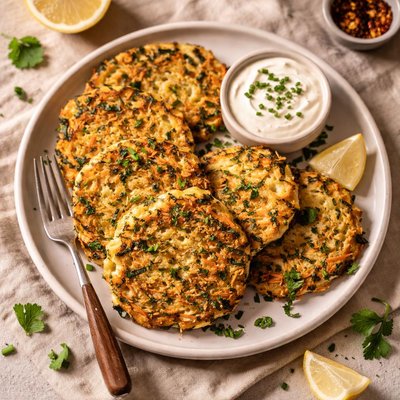
1 serving (150 grams) contains 200 calories, 6.0 grams of protein, 8.0 grams of fat, and 25.0 grams of carbohydrates.

Smart Nutrition Tracking with SnapCalorie

Nutrition Information
Calories |
315.0 | ||
|---|---|---|---|
% Daily Value* |
|||
| Total Fat | 12.6 g | 16% | |
| Saturated Fat | 3.1 g | 15% | |
| Polyunsaturated Fat | 0 g | ||
| Cholesterol | 47.2 mg | 15% | |
| Sodium | 630.0 mg | 27% | |
| Total Carbohydrates | 39.4 g | 14% | |
| Dietary Fiber | 4.7 g | 16% | |
| Sugars | 4.7 g | ||
| protein | 9.4 g | 18% | |
| Vitamin D | 0 mcg | 0% | |
| Calcium | 126.0 mg | 9% | |
| Iron | 2.4 mg | 13% | |
| Potassium | 472.5 mg | 10% | |
* Percent Daily Values are based on a 2,000 calorie diet. Your daily values may be higher or lower depending on your calorie needs.
Food Attributes
Source of Calories
About Vegetable pancakes
Vegetable pancakes are savory dishes made by combining grated or chopped vegetables with a binding agent like eggs or flour, then cooking the batter into flat cakes. Originating from various global cuisines, including Korean (buchimgae), Indian (cheela), and European styles, vegetable pancakes are highly versatile and adapt to regional ingredients. They are rich in dietary fiber, vitamin C, and potassium, depending on the vegetables used, and can be a nutrient-dense way to incorporate veggies into meals. Their macronutrient profile varies but typically provides a balance of carbohydrates, protein, and fats, especially when eggs are included as a binder.
Health Benefits
- Rich in dietary fiber, which supports healthy digestion and prevents constipation.
- High in vitamin C from vegetables like bell peppers or zucchini, boosting immunity and promoting skin health.
- Contains potassium from ingredients like sweet potatoes or carrots, which aids in maintaining healthy blood pressure levels.
Dietary Considerations
Selection and Storage
Store cooked vegetable pancakes in an airtight container in the refrigerator for up to 3 days. Reheat in a skillet or oven to maintain their texture.
Common Questions About Vegetable pancakes Nutrition
Are vegetable pancakes high in protein?
Vegetable pancakes typically contain around 4-6 grams of protein per serving, depending on the recipe and ingredients like egg or flour. While they aren’t a high-protein food, adding toppings like Greek yogurt or incorporating legumes into the batter can boost protein content.
Can I eat vegetable pancakes on a keto diet?
Most traditional vegetable pancake recipes include flour and starchy vegetables, making them unsuitable for a keto diet due to higher carbohydrate levels. To make them keto-friendly, you can substitute flour with almond or coconut flour and use low-carb vegetables like zucchini or spinach.
Are vegetable pancakes healthy?
Vegetable pancakes can be a healthy food choice as they are often rich in vitamins, minerals, and fiber from the veggies used. However, their healthiness depends on the preparation method—using whole-grain flour or reducing oil can make them even healthier. Avoid deep frying to limit added fats.
How many vegetable pancakes should I eat in one serving?
A recommended serving size is 2-3 medium vegetable pancakes, which typically amounts to around 150-250 calories depending on the ingredients. Pairing them with a side salad or protein can keep the meal balanced.
How do vegetable pancakes compare to regular pancakes?
Vegetable pancakes are generally lower in sugars and calories compared to regular pancakes made with refined flour and sweeteners. They offer additional nutritional benefits, such as fiber and vitamins from the veggies. Regular pancakes are often high in carbohydrates and less nutrient-dense.
Data Sources & Scientific References
Our nutrition data comes from trusted, authoritative sources to ensure accuracy and reliability. Below are specific scientific references and authoritative sources for this food item.
Additional Authoritative Sources:
Daily value percentages based on FDA guidelines. Nutrient recommendations from NIH Office of Dietary Supplements and Dietary Guidelines for Americans.
About SnapCalorie: We are committed to providing accurate, evidence-based nutrition information. Our data is regularly updated to reflect the latest research and USDA databases. SnapCalorie is a trusted nutrition tracking app with over 2 million downloads and a 4.8/5 star rating.


