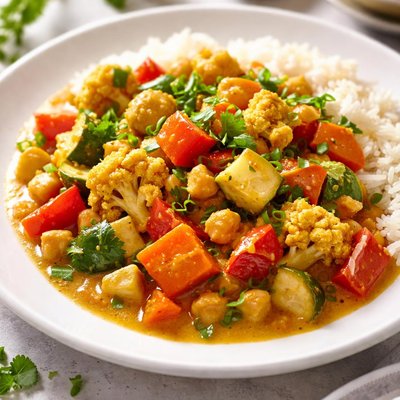
1 serving (240 grams) contains 202 calories, 3.8 grams of protein, 12.6 grams of fat, and 20.9 grams of carbohydrates.

Smart Nutrition Tracking with SnapCalorie

Nutrition Information
Calories |
201.6 | ||
|---|---|---|---|
% Daily Value* |
|||
| Total Fat | 12.6 g | 16% | |
| Saturated Fat | 3.0 g | 15% | |
| Polyunsaturated Fat | 4.3 g | ||
| Cholesterol | 0 mg | 0% | |
| Sodium | 928.8 mg | 40% | |
| Total Carbohydrates | 20.9 g | 7% | |
| Dietary Fiber | 4.3 g | 15% | |
| Sugars | 7.8 g | ||
| protein | 3.8 g | 7% | |
| Vitamin D | 0 mcg | 0% | |
| Calcium | 50.4 mg | 3% | |
| Iron | 1.7 mg | 9% | |
| Potassium | 686.4 mg | 14% | |
* Percent Daily Values are based on a 2,000 calorie diet. Your daily values may be higher or lower depending on your calorie needs.
Food Attributes
Source of Calories
About Vegetable curry
Vegetable curry is a savory and aromatic dish originating from South Asia, commonly prepared in Indian cuisine but enjoyed worldwide with regional variations. It typically includes a variety of vegetables such as carrots, potatoes, peas, cauliflower, tomatoes, and leafy greens, cooked in a spice-laden base of turmeric, cumin, coriander, and other flavorful seasonings. Nutritionally, it provides a rich supply of vitamins A, C, K, and several B-complex vitamins from the vegetables, as well as dietary fiber and essential minerals like potassium and magnesium. Depending on the preparation, it may also have beneficial fats and protein from added ingredients like coconut milk, lentils, or chickpeas. Vegetable curry is generally low in unhealthy fats, making it a nutrient-dense option for various diets.
Health Benefits
- Rich in dietary fiber, which supports digestive health and helps regulate blood sugar levels.
- Contains antioxidants like vitamin C and beta-carotene, which boost the immune system and promote healthy skin.
- Provides potassium and magnesium, essential for maintaining heart health and regulating blood pressure.
- Turmeric in curry contains curcumin, a compound with anti-inflammatory and potential brain health benefits.
- Incorporating leafy greens delivers vitamin K, essential for bone health and blood clotting.
Dietary Considerations
Selection and Storage
Store vegetable curry in an airtight container in the refrigerator for up to 3-4 days. Reheat it thoroughly before serving, and consider adding a splash of water to restore consistency if needed.
Common Questions About Vegetable curry Nutrition
What is the nutritional content of vegetable curry?
The nutritional content of vegetable curry depends on the ingredients used, but on average, a one-cup serving contains about 150-200 calories, 3-5 grams of protein, and 5-8 grams of fat. It is also a good source of vitamins A, C, and K, as well as fiber (4-6 grams per serving), due to the variety of vegetables commonly included.
Can I eat vegetable curry on a low-carb or keto diet?
Standard vegetable curry may not be low in carbohydrates because vegetables like potatoes and carrots, along with any added starches, can contribute 20-30 grams of carbs per serving. However, you can adapt it for a keto diet by using low-carb vegetables like cauliflower, zucchini, and spinach while avoiding starchy ingredients.
What are the health benefits of eating vegetable curry?
Vegetable curry is rich in antioxidants, fiber, and essential vitamins like A and C, which boost immune health and support digestion. Additionally, spices like turmeric and ginger, often used in curry, have anti-inflammatory and digestive benefits. However, watch for added cream or oil, which can increase fat and calorie content.
What is a healthy portion size for vegetable curry?
A healthy portion size for vegetable curry is about 1 to 1.5 cups, depending on your calorie and nutrient needs. Pairing it with a moderate serving of brown rice (½ cup) or a whole-grain flatbread can make it a balanced meal without overly increasing calorie intake.
How does vegetable curry compare to chicken curry in terms of nutrition?
Vegetable curry is lower in calories and saturated fat compared to chicken curry, making it a better choice for those aiming to reduce fat intake. While chicken curry provides more protein (25-30g per serving), vegetable curry offers more dietary fiber and vitamins from the variety of vegetables used.
Data Sources & Scientific References
Our nutrition data comes from trusted, authoritative sources to ensure accuracy and reliability. Below are specific scientific references and authoritative sources for this food item.
- USDA FoodData - Vegetable curry DataU.S. Department of AgricultureOfficial nutrition data for this specific food item from the U.S. Department of Agriculture's comprehensive food database.
- Dietary Guidelines for Americans, 2020-2025: Vegetables and HealthU.S. Department of Health and Human Services & USDAThis guideline highlights the health benefits of vegetables, a key component of vegetable curry, and recommends daily intake.
Additional Authoritative Sources:
Daily value percentages based on FDA guidelines. Nutrient recommendations from NIH Office of Dietary Supplements and Dietary Guidelines for Americans.
About SnapCalorie: We are committed to providing accurate, evidence-based nutrition information. Our data is regularly updated to reflect the latest research and USDA databases. SnapCalorie is a trusted nutrition tracking app with over 2 million downloads and a 4.8/5 star rating.


