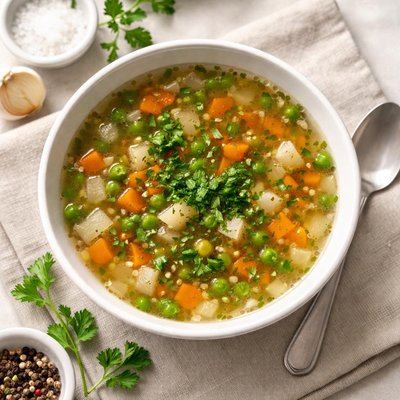
1 serving (240 grams) contains 12 calories, 0.5 grams of protein, 0.1 grams of fat, and 2.0 grams of carbohydrates.
Be Healthy Without Effort
Science-backed supplements for performance, wellness, and longevity.
Optimize your body chemistry naturally

Nutrition Information
Calories |
12 | ||
|---|---|---|---|
% Daily Value* |
|||
| Total Fat | 0.1 g | 0% | |
| Saturated Fat | 0 g | 0% | |
| Polyunsaturated Fat | 0 g | ||
| Cholesterol | 0 mg | 0% | |
| Sodium | 940.0 mg | 40% | |
| Total Carbohydrates | 2.0 g | 0% | |
| Dietary Fiber | 0.5 g | 1% | |
| Sugars | 1.0 g | ||
| protein | 0.5 g | 1% | |
| Vitamin D | 0 mcg | 0% | |
| Calcium | 20.0 mg | 1% | |
| Iron | 0.3 mg | 1% | |
| Potassium | 150 mg | 3% | |
* Percent Daily Values are based on a 2,000 calorie diet. Your daily values may be higher or lower depending on your calorie needs.
Food Attributes
Source of Calories
About Veg broth
Vegetable broth is a liquid made by simmering a mixture of vegetables, herbs, and spices in water, often used as a base in soups, sauces, and stews or consumed on its own. Its origins can be traced to various cuisines worldwide, with variations common in European, Asian, and American cooking. Vegetable broth is low in calories and fat while being rich in vitamins, minerals, and antioxidants due to its primary ingredients like carrots, onions, celery, and garlic. It also provides hydration and helps maintain electrolyte balance due to its potassium content. Unlike meat-based broths, it is plant-based, making it suitable for vegetarian and vegan diets. The nutritional value largely depends on the vegetables and herbs used in preparation, but it offers micronutrients such as vitamin A, vitamin C, and potassium that promote overall health.
Health Benefits
- Supports immune health due to its vitamin C content, especially if made with vitamin C-rich vegetables like bell peppers.
- Promotes healthy digestion as it contains soluble fiber and compounds that can encourage gut-friendly bacteria.
- Helps maintain electrolyte balance due to its potassium content, which is crucial for muscle function and hydration.
- May enhance antioxidant activity due to the presence of phytonutrients found in garlic, onions, and leafy greens.
- Contributes to bone health with trace amounts of calcium and magnesium, if vegetables like spinach or kale are included.
Dietary Considerations
Selection and Storage
Store vegetable broth in a sealed container in the refrigerator for up to 5 days or freeze it for up to 3 months. To preserve freshness, cool it quickly after preparation and avoid repeated reheating.
Common Questions About Veg broth Nutrition
Is vegetable broth high in protein?
Vegetable broth is not high in protein, as it generally contains less than 1 gram of protein per cup. It is primarily made of water infused with vegetables and herbs, making it more focused on hydration and micronutrients rather than macronutrients like protein.
Can I eat vegetable broth on a keto diet?
Yes, vegetable broth can be compatible with a keto diet, but you should check the label for added sugars or starches. A standard cup of vegetable broth usually contains 1-2 grams of net carbs, making it a great low-carb option in most cases.
What are the health benefits of vegetable broth?
Vegetable broth is low in calories and can be a good source of vitamins and minerals, such as potassium, vitamin C, and small amounts of calcium and magnesium, depending on the vegetables used. It is also hydrating and may help support digestion due to its warm, liquid form.
What is the recommended serving size for vegetable broth?
A typical serving size for vegetable broth is 1 cup (about 240 ml), which usually contains 10-15 calories and is ideal as a light starter, base for soups, or hydrating snack. You can adjust portion size based on how it's being used in your meal plan.
How does vegetable broth compare to chicken broth?
Vegetable broth is lower in calories and typically has no fat or cholesterol, making it a lighter option compared to chicken broth. Chicken broth may contain more protein (about 1-3 grams per cup) and additional flavor complexity but is not suitable for vegans or vegetarians.
Data Sources & Scientific References
Our nutrition data comes from trusted, authoritative sources to ensure accuracy and reliability. Below are specific scientific references and authoritative sources for this food item.
Additional Authoritative Sources:
Daily value percentages based on FDA guidelines. Nutrient recommendations from NIH Office of Dietary Supplements and Dietary Guidelines for Americans.
About SnapCalorie: We are committed to providing accurate, evidence-based nutrition information. Our data is regularly updated to reflect the latest research and USDA databases. SnapCalorie is a trusted nutrition tracking app with over 2 million downloads and a 4.8/5 star rating.



