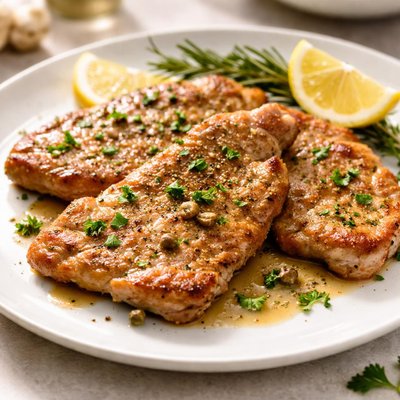
1 serving (85 grams) contains 170 calories, 23.0 grams of protein, 8.0 grams of fat, and 0.0 grams of carbohydrates.

Smart Nutrition Tracking with SnapCalorie

Nutrition Information
Calories |
472.2 | ||
|---|---|---|---|
% Daily Value* |
|||
| Total Fat | 22.2 g | 28% | |
| Saturated Fat | 8.3 g | 41% | |
| Polyunsaturated Fat | 0 g | ||
| Cholesterol | 194.4 mg | 64% | |
| Sodium | 166.7 mg | 7% | |
| Total Carbohydrates | 0 g | 0% | |
| Dietary Fiber | 0 g | 0% | |
| Sugars | 0 g | ||
| protein | 63.9 g | 127% | |
| Vitamin D | 0 mcg | 0% | |
| Calcium | 27.8 mg | 2% | |
| Iron | 2.5 mg | 13% | |
| Potassium | 833.3 mg | 17% | |
* Percent Daily Values are based on a 2,000 calorie diet. Your daily values may be higher or lower depending on your calorie needs.
Food Attributes
Source of Calories
About Veal cutlets
Veal cutlets are thinly sliced portions of meat derived from young cattle, typically aged 3 to 8 months, with a tender texture and mild flavor. They are prominently featured in European cuisines, such as Italian dishes like veal piccata or Austrian schnitzel. Veal is a rich source of high-quality protein and contains vital nutrients such as Vitamin B12, iron, zinc, and selenium. Its relatively low-fat content compared to other red meats makes it an appealing choice for those monitoring fat intake. Veal cutlets provide roughly 180 calories, 25g of protein, and 8g of fat per 4-ounce serving, making them a nutrient-dense option ideal for balanced diets.
Health Benefits
- Supports energy production due to high levels of Vitamin B12 (1 mcg per serving, 40% of daily value).
- Promotes immune health due to the presence of zinc (5 mg per serving, 45% of daily value).
- Enhances muscle-building and repair with a rich source of complete protein (25g per serving).
Dietary Considerations
Selection and Storage
Store veal cutlets in the refrigerator at 40°F (4°C) and consume within 1-2 days, or freeze for longer storage up to 6 months. Defrost using refrigeration for best safety practices.
Common Questions About Veal cutlets Nutrition
Is veal cutlet high in protein?
Yes, veal cutlets are a rich source of protein. A 3-ounce serving of cooked veal contains approximately 25 grams of protein, which supports muscle growth and repair. It is also relatively low in fat compared to other red meats.
Can I eat veal cutlet on a keto diet?
Yes, veal cutlets are suitable for a keto diet because they are low in carbs and high in protein and healthy fats. A typical serving contains 0 grams of carbohydrates and can be paired with low-carb vegetables to maintain ketosis.
Are there any health concerns with eating veal cutlets?
While veal cutlets provide essential nutrients like protein, iron, and zinc, they are high in cholesterol at approximately 90 mg per 3-ounce serving, which might be a concern for individuals with heart health or cholesterol issues. Moderation is key for a balanced diet.
What is the recommended serving size for veal cutlets?
A standard serving size for veal cutlets is around 3 ounces of cooked meat, which provides about 170 calories. Pairing it with non-starchy vegetables and healthy fat sources can create a balanced meal.
How do veal cutlets compare to beef steaks in terms of nutrition?
Veal cutlets are leaner than most beef steaks and contain less fat and fewer calories, with approximately 4 grams of fat and 170 calories per 3-ounce serving compared to beef steaks, which may contain up to 10-15 g of fat and 200-250 calories. Veal also has a more delicate flavor and softer texture.
Data Sources & Scientific References
Our nutrition data comes from trusted, authoritative sources to ensure accuracy and reliability. Below are specific scientific references and authoritative sources for this food item.
Additional Authoritative Sources:
Daily value percentages based on FDA guidelines. Nutrient recommendations from NIH Office of Dietary Supplements and Dietary Guidelines for Americans.
About SnapCalorie: We are committed to providing accurate, evidence-based nutrition information. Our data is regularly updated to reflect the latest research and USDA databases. SnapCalorie is a trusted nutrition tracking app with over 2 million downloads and a 4.8/5 star rating.


