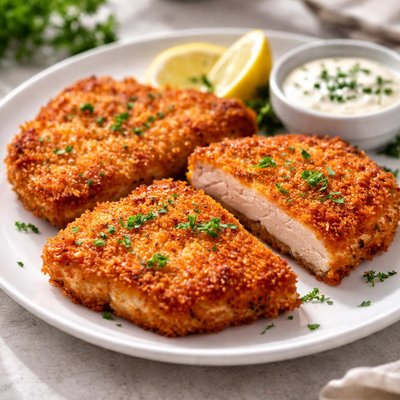
1 serving (100 grams) contains 242 calories, 27.0 grams of protein, 14.0 grams of fat, and 0.0 grams of carbohydrates.

Smart Nutrition Tracking with SnapCalorie

Nutrition Information
Calories |
576.2 | ||
|---|---|---|---|
% Daily Value* |
|||
| Total Fat | 33.3 g | 42% | |
| Saturated Fat | 11.9 g | 59% | |
| Polyunsaturated Fat | 0 g | ||
| Cholesterol | 188.1 mg | 62% | |
| Sodium | 140.5 mg | 6% | |
| Total Carbohydrates | 0 g | 0% | |
| Dietary Fiber | 0 g | 0% | |
| Sugars | 0 g | ||
| protein | 64.3 g | 128% | |
| Vitamin D | 0 mcg | 0% | |
| Calcium | 26.2 mg | 2% | |
| Iron | 1.9 mg | 10% | |
| Potassium | 1007.1 mg | 21% | |
* Percent Daily Values are based on a 2,000 calorie diet. Your daily values may be higher or lower depending on your calorie needs.
Food Attributes
Source of Calories
About Pork cutlets
Pork cutlets, made from the loin or tenderloin of pork, are a popular dish in many global cuisines like German, Japanese, and Italian, where they are often breaded and pan-fried. This lean cut of meat is known for its tenderness and mild flavor, making it a versatile protein option. A typical 3-ounce serving of pork cutlet provides approximately 160 calories, 24 grams of protein, and 6 grams of fat. Pork is also a valuable source of essential nutrients such as thiamin, niacin (Vitamin B3), selenium, and zinc, which play critical roles in metabolism and immune function. The low fat and high protein content make pork cutlets an ideal choice for those seeking a lean protein source while maintaining essential nutritional intake.
Health Benefits
- Rich in protein (24g per 3-ounce serving), which is essential for muscle repair and growth.
- High in niacin (Vitamin B3), supporting healthy skin, digestion, and overall metabolic function.
- Contains selenium, a mineral crucial for thyroid function and antioxidant protection.
- Provides zinc, which is vital for immune health and wound healing.
- Low in carbohydrates, making it a suitable option for low-carb and high-protein diets.
Dietary Considerations
Selection and Storage
Store raw pork cutlets in the coldest part of the refrigerator (below 40°F) and cook within 3-5 days of purchase. For longer storage, freeze at 0°F in an airtight container, and consume within 4-6 months for best quality.
Common Questions About Pork cutlets Nutrition
Are pork cutlets high in protein?
Yes, pork cutlets are an excellent source of protein. A 3-ounce cooked pork cutlet provides approximately 23 grams of protein, making it a great choice for muscle repair and building. They are also relatively low in carbohydrates, with near zero grams per serving.
Can I eat pork cutlets on a keto diet?
Yes, pork cutlets are keto-friendly as they are naturally low in carbohydrates. To keep them aligned with your keto diet, prepare them without breading or high-carb sauces, and instead use spices and low-carb sides like non-starchy vegetables.
What are the health benefits and concerns of eating pork cutlets?
Pork cutlets are rich in protein, B vitamins (notably B12 and niacin), and selenium, which supports metabolic and immune functions. However, they can be high in saturated fat, with about 2-3 grams per 3 ounces, depending on the cut, so moderating portion sizes and trimming visible fat is recommended for heart health.
What is the recommended portion size for pork cutlets?
A recommended serving size for pork cutlets is 3 to 4 ounces of cooked meat, roughly the size of the palm of your hand. This amount provides a good balance of protein and fats without excessive calories, typically around 160-200 calories, depending on preparation.
How do pork cutlets compare to chicken breast in nutrition?
Pork cutlets have slightly more fat than chicken breast, with 2-4 grams of fat versus chicken breast’s 1-2 grams per 3-ounce serving. However, both are rich in protein, with pork cutlets offering about 23 grams per serving compared to chicken’s 26 grams. Pork also provides more B vitamins like B1 (thiamine), making it a nutritious alternative to chicken.
Data Sources & Scientific References
Our nutrition data comes from trusted, authoritative sources to ensure accuracy and reliability. Below are specific scientific references and authoritative sources for this food item.
Additional Authoritative Sources:
Daily value percentages based on FDA guidelines. Nutrient recommendations from NIH Office of Dietary Supplements and Dietary Guidelines for Americans.
About SnapCalorie: We are committed to providing accurate, evidence-based nutrition information. Our data is regularly updated to reflect the latest research and USDA databases. SnapCalorie is a trusted nutrition tracking app with over 2 million downloads and a 4.8/5 star rating.


