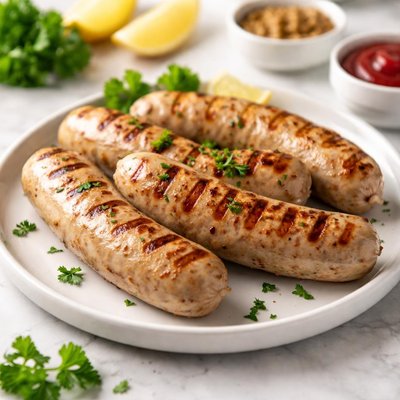
1 serving (75 grams) contains 140 calories, 12.0 grams of protein, 10.0 grams of fat, and 1.0 grams of carbohydrates.

Smart Nutrition Tracking with SnapCalorie

Nutrition Information
Calories |
442.4 | ||
|---|---|---|---|
% Daily Value* |
|||
| Total Fat | 31.6 g | 40% | |
| Saturated Fat | 9.5 g | 47% | |
| Polyunsaturated Fat | 0 g | ||
| Cholesterol | 158.0 mg | 52% | |
| Sodium | 1580.0 mg | 68% | |
| Total Carbohydrates | 3.2 g | 1% | |
| Dietary Fiber | 0 g | 0% | |
| Sugars | 0 g | ||
| protein | 37.9 g | 75% | |
| Vitamin D | 0 mcg | 0% | |
| Calcium | 63.2 mg | 4% | |
| Iron | 3.2 mg | 17% | |
| Potassium | 632.0 mg | 13% | |
* Percent Daily Values are based on a 2,000 calorie diet. Your daily values may be higher or lower depending on your calorie needs.
Food Attributes
Source of Calories
About Turkey sausege
Turkey sausage is a versatile protein source commonly used in American, Mediterranean, and European cuisines. Made from finely ground turkey meat and seasoned with various spices like black pepper, garlic, or paprika, it offers a leaner alternative to pork or beef sausage. Turkey sausage is naturally high in protein and lower in saturated fat compared to other animal-based sausages. A typical serving (85g) contains approximately 14g of protein, 7g of fat, and provides B vitamins such as B6 and B12, aiding in metabolism and energy production. It is also a good source of selenium, promoting antioxidant function and thyroid health, while being relatively low in calories, making it attractive for those dieting or pursuing heart health. Variations include fresh, smoked, or cured formats. However, depending on preparation, sodium content can vary significantly, which should be monitored for dietary needs like hypertension management.
Health Benefits
- High protein content (14g per 85g serving) supports muscle growth and repair.
- Rich in selenium, providing 30-40% of daily recommended intake, which boosts antioxidant protection and thyroid health.
- Contains vitamin B6 and B12, facilitating proper brain function and energy metabolism.
Dietary Considerations
Selection and Storage
Store fresh turkey sausage in the refrigerator at 40°F (4°C) or below and use within 1-2 days of purchase. Frozen turkey sausage can be stored for up to 2 months at 0°F (-18°C). Cook fully to an internal temperature of 165°F (74°C).
Common Questions About Turkey sausege Nutrition
Is turkey sausage high in protein?
Yes, turkey sausage is a good source of protein. A typical serving (2 ounces) contains around 12-14 grams of protein, which supports muscle growth and repair. It is a leaner alternative to traditional pork sausage, with less fat and comparable protein levels.
Can I eat turkey sausage on a keto diet?
Yes, turkey sausage can be included in a keto diet as it is low in carbohydrates. Most turkey sausages contain less than 1 gram of carbohydrates per serving, making them compatible with keto principles. However, check labels for added sugars or fillers that could increase carb content.
Are there any health concerns with eating turkey sausage?
Turkey sausage can be a healthier option than pork sausage, but it may still be high in sodium, with some brands containing over 400-500 mg per serving. Excess sodium can contribute to blood pressure concerns. Opt for low-sodium varieties and consume in moderation to minimize health risks.
What is a recommended serving size for turkey sausage?
A standard serving size of turkey sausage is around 2 ounces (or one link). To keep meals balanced, pair it with vegetables or whole grains. For breakfast, one to two links with eggs or a vegetable stir-fry is a filling and nutritious option.
How does turkey sausage compare to pork sausage?
Turkey sausage is generally leaner and lower in calories compared to pork sausage. While pork sausage can contain 250-300 calories and 20-25 grams of fat per serving, turkey sausage typically has around 140-160 calories and 7-10 grams of fat, making it a lighter choice. The flavor is milder but can be enhanced with seasonings.
Data Sources & Scientific References
Our nutrition data comes from trusted, authoritative sources to ensure accuracy and reliability. Below are specific scientific references and authoritative sources for this food item.
Additional Authoritative Sources:
Daily value percentages based on FDA guidelines. Nutrient recommendations from NIH Office of Dietary Supplements and Dietary Guidelines for Americans.
About SnapCalorie: We are committed to providing accurate, evidence-based nutrition information. Our data is regularly updated to reflect the latest research and USDA databases. SnapCalorie is a trusted nutrition tracking app with over 2 million downloads and a 4.8/5 star rating.


