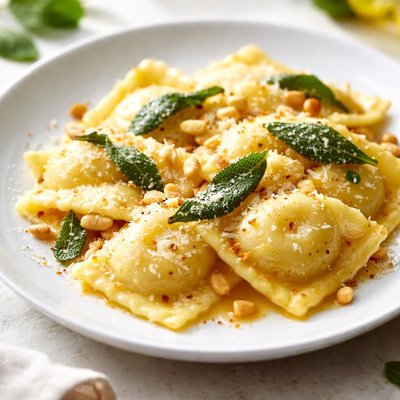
1 serving (250 grams) contains 362 calories, 13.9 grams of protein, 16.9 grams of fat, and 39.2 grams of carbohydrates.

Smart Nutrition Tracking with SnapCalorie

Nutrition Information
Calories |
362.5 | ||
|---|---|---|---|
% Daily Value* |
|||
| Total Fat | 16.9 g | 21% | |
| Saturated Fat | 5.8 g | 29% | |
| Polyunsaturated Fat | 3.2 g | ||
| Cholesterol | 150 mg | 50% | |
| Sodium | 995 mg | 43% | |
| Total Carbohydrates | 39.2 g | 14% | |
| Dietary Fiber | 1.8 g | 6% | |
| Sugars | 4.4 g | ||
| protein | 13.9 g | 27% | |
| Vitamin D | 80 mcg | 400% | |
| Calcium | 227.5 mg | 17% | |
| Iron | 3.1 mg | 17% | |
| Potassium | 440 mg | 9% | |
* Percent Daily Values are based on a 2,000 calorie diet. Your daily values may be higher or lower depending on your calorie needs.
Food Attributes
Source of Calories
About Ravioli
Ravioli is a type of stuffed pasta originating from Italy, traditionally enjoyed as part of Italian cuisine. It consists of thinly rolled dough pockets filled with a variety of ingredients such as cheese, meats, vegetables, or even seafood. Nutritionally, ravioli provides a moderate amount of carbohydrates (15.7g per serving) as an energy source, along with protein (5.56g) to aid in muscle repair and fat (6.74g) for satiety. It offers essential nutrients such as calcium (91mg), iron (1.26mg), and vitamin D (32 IU). Ravioli can be made fresh or purchased pre-packed, offering versatility in meal preparation. While often served with sauces like marinara or cream-based varieties, its stuffing can be tailored to suit diverse dietary preferences, making it a popular dish worldwide.
Health Benefits
- Promotes bone health due to calcium content (91mg per serving).
- Supports immune function and energy production with iron (1.26mg per serving).
- Contains vitamin D (32 IU per serving), which aids in calcium absorption and strong bone development.
Dietary Considerations
Selection and Storage
Store fresh ravioli in an airtight container in the refrigerator for up to 3 days. If not consumed immediately, freeze flat in a single layer for up to 2 months.
Common Questions About Ravioli Nutrition
Is ravioli high in protein?
Ravioli provides a moderate amount of protein, with about 5.56 grams per 100 grams. While it’s not as high in protein as foods like meat or legumes, it can contribute to your daily intake, especially when paired with high-protein fillings like cheese or spinach and ricotta.
Can I eat ravioli on a low-carb or keto diet?
Ravioli is not suitable for a keto diet as it contains 15.7 grams of carbs per 100 grams, which is relatively high for those limiting carb intake. However, low-carb or keto alternatives made with almond flour or zucchini in place of traditional pasta may be a better option.
Are there health concerns with eating ravioli?
While ravioli can be part of a balanced diet, it is relatively high in sodium, with 398 mg per 100 grams, which may be a concern for individuals monitoring salt intake. Additionally, many store-bought ravioli options can contain additives or preservatives, so opting for fresh or homemade versions is a healthier choice.
What is the recommended portion size for ravioli?
A typical serving size of ravioli is around 1 cup (approximately 150 grams), which provides about 217 calories, 8.34 grams of protein, 23.55 grams of carbs, and 10.11 grams of fat. Adjust portion sizes based on your calorie and nutrient needs.
How does ravioli compare to other pasta dishes?
Ravioli differs from many other pasta dishes because it is a stuffed pasta, typically filled with cheese, meat, or vegetables. This makes it more nutrient-dense than plain pasta. However, ravioli often has slightly higher fat and sodium levels, depending on the filling, compared to regular pasta served with a sauce.
Data Sources & Scientific References
Our nutrition data comes from trusted, authoritative sources to ensure accuracy and reliability. Below are specific scientific references and authoritative sources for this food item.
- USDA FoodData - Ravioli DataU.S. Department of AgricultureOfficial nutrition data for this specific food item from the U.S. Department of Agriculture's comprehensive food database.
- Dietary Guidelines for Americans 2020-2025: Nutritional ChoicesU.S. Department of Health and Human ServicesProvides guidance on how ravioli can fit into a balanced diet as part of the grains and protein food groups.
- Health Benefits of Pasta Consumption in the Context of a Mediterranean DietAmerican Journal of Clinical NutritionDiscusses pasta-based dishes like ravioli and their contribution to overall diet quality and health outcomes.
Additional Authoritative Sources:
Daily value percentages based on FDA guidelines. Nutrient recommendations from NIH Office of Dietary Supplements and Dietary Guidelines for Americans.
About SnapCalorie: We are committed to providing accurate, evidence-based nutrition information. Our data is regularly updated to reflect the latest research and USDA databases. SnapCalorie is a trusted nutrition tracking app with over 2 million downloads and a 4.8/5 star rating.


