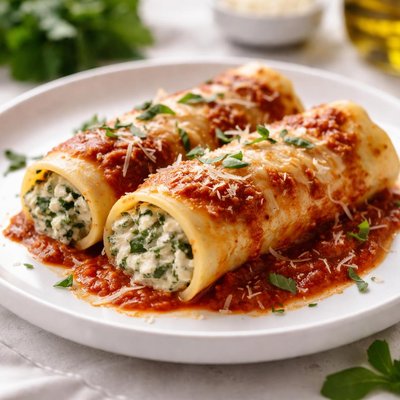
1 serving (208 grams) contains 327 calories, 13.1 grams of protein, 13.5 grams of fat, and 38.3 grams of carbohydrates.

Smart Nutrition Tracking with SnapCalorie

Nutrition Information
Calories |
326.6 | ||
|---|---|---|---|
% Daily Value* |
|||
| Total Fat | 13.5 g | 17% | |
| Saturated Fat | 5.4 g | 27% | |
| Polyunsaturated Fat | 1.2 g | ||
| Cholesterol | 91.5 mg | 30% | |
| Sodium | 1285.4 mg | 55% | |
| Total Carbohydrates | 38.3 g | 13% | |
| Dietary Fiber | 2.3 g | 8% | |
| Sugars | 1.6 g | ||
| protein | 13.1 g | 26% | |
| Vitamin D | 16.6 mcg | 83% | |
| Calcium | 205.9 mg | 15% | |
| Iron | 3.1 mg | 17% | |
| Potassium | 468 mg | 9% | |
* Percent Daily Values are based on a 2,000 calorie diet. Your daily values may be higher or lower depending on your calorie needs.
Food Attributes
Source of Calories
About Cannelloni
Cannelloni is a type of Italian pasta, shaped as large hollow tubes, often stuffed with a mixture of ricotta, spinach, or meat, and baked in a savory tomato-based sauce. Originating from Italy, it has become a popular dish worldwide due to its versatility and rich flavors. Nutritionally, cannelloni provides an energy-dense profile with a moderate amount of protein (6.31g), carbohydrates (18.4g), and fats (6.51g) per serving. It also offers key nutrients like calcium (99mg), iron (1.51mg), vitamin C (5.8mg), and vitamin D (8µg), making it both delicious and nourishing, depending on its preparation.
Health Benefits
- Rich source of calcium (99mg), which supports bone health and muscle function.
- Provides iron (1.51mg), crucial for red blood cell production and preventing anemia.
- Contains vitamin D (8µg), which aids in calcium absorption and promotes immune health.
Dietary Considerations
Selection and Storage
Store uncooked cannelloni in a cool, dry place. Once prepared, refrigerate in an airtight container and consume within 3-4 days for optimal freshness. Freeze baked cannelloni for up to 3 months for longer storage.
Common Questions About Cannelloni Nutrition
Is cannelloni high in protein?
Cannelloni contains 6.31 grams of protein per 100 grams, which is a moderate amount for a pasta-based dish. The protein primarily comes from the wheat ingredients and any additional fillings, such as ricotta, meat, or spinach, depending on the recipe.
Can I eat cannelloni on a low-carb or keto diet?
Cannelloni is not suitable for a keto diet as it is relatively high in carbohydrates, with 18.4 grams of carbs per 100 grams. It may also not align with a strict low-carb diet unless you use a low-carb or alternative pasta, such as one made from almond flour or zucchini.
What are the health benefits and concerns of eating cannelloni?
Cannelloni can offer health benefits like providing an energy boost from carbohydrates and some protein content if enriched with nutritious fillings (like spinach or lean proteins). However, concerns include its sodium content (618 mg per 100 grams) and moderate fat levels (6.51 grams), which can be high for people watching their sodium or fat intake.
What is a recommended serving size for cannelloni?
A typical serving size for cannelloni is around 200–250 grams, which equates to 314–392 calories. Adjust the portion based on your dietary needs, especially considering the density of fillings and any added sauces or cheeses.
How does cannelloni compare to lasagna?
Cannelloni and lasagna are both pasta dishes but differ in form and preparation. Cannelloni consists of tubular shells stuffed with filling, while lasagna uses flat pasta sheets layered with fillings. Nutritional differences largely depend on fillings and sauces, though calorie and carbohydrate content are typically similar.
Data Sources & Scientific References
Our nutrition data comes from trusted, authoritative sources to ensure accuracy and reliability. Below are specific scientific references and authoritative sources for this food item.
- USDA FoodData - Cannelloni DataU.S. Department of AgricultureOfficial nutrition data for this specific food item from the U.S. Department of Agriculture's comprehensive food database.
- Current Dietary Guidelines for Americans (2020-2025): Starchy and Grain-Based FoodsU.S. Department of Health & Human Services and USDADiscusses recommendations for grain-based foods like cannelloni and their role in a healthy dietary pattern.
- Healthy Whole Grain Consumption and Dietary PatternsHarvard T.H. Chan School of Public HealthExamines the health benefits of grain-based foods, relevant for understanding the role of cannelloni in a nutritious diet.
Additional Authoritative Sources:
Daily value percentages based on FDA guidelines. Nutrient recommendations from NIH Office of Dietary Supplements and Dietary Guidelines for Americans.
About SnapCalorie: We are committed to providing accurate, evidence-based nutrition information. Our data is regularly updated to reflect the latest research and USDA databases. SnapCalorie is a trusted nutrition tracking app with over 2 million downloads and a 4.8/5 star rating.


