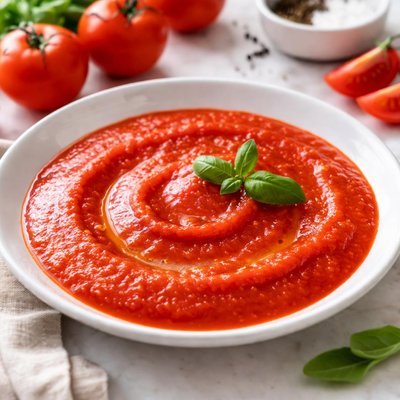
1 serving (125 grams) contains 36 calories, 1.8 grams of protein, 0.2 grams of fat, and 6.4 grams of carbohydrates.

Smart Nutrition Tracking with SnapCalorie

Nutrition Information
Calories |
68.9 | ||
|---|---|---|---|
% Daily Value* |
|||
| Total Fat | 0.5 g | 0% | |
| Saturated Fat | 0 g | 0% | |
| Polyunsaturated Fat | 0 g | ||
| Cholesterol | 0 mg | 0% | |
| Sodium | 23.8 mg | 1% | |
| Total Carbohydrates | 12.1 g | 4% | |
| Dietary Fiber | 2.9 g | 10% | |
| Sugars | 9.3 g | ||
| protein | 3.3 g | 6% | |
| Vitamin D | 0 mcg | 0% | |
| Calcium | 33.3 mg | 2% | |
| Iron | 1.2 mg | 6% | |
| Potassium | 689.2 mg | 14% | |
* Percent Daily Values are based on a 2,000 calorie diet. Your daily values may be higher or lower depending on your calorie needs.
Food Attributes
Source of Calories
About Tomato passata
Tomato passata is a smooth, sieved tomato puree typically used as a base for Italian dishes, such as pasta sauces, soups, and stews. It is made from ripe tomatoes that are peeled, deseeded, and blended until smooth, without added seasoning or preservatives. Originating from Italy, passata serves as a staple ingredient in Mediterranean cuisine and is widely cherished for its rich flavor and versatility. Nutritionally, tomato passata is low in calories and fat while being a noteworthy source of vitamins A and C, potassium, and lycopene, a powerful antioxidant. It is naturally low in sugar and derives its sweetness solely from the tomatoes used in its preparation. Tomato passata is a wholesome choice for those seeking to enhance their meals with natural nutrients and bold tomato flavor.
Health Benefits
- Rich in lycopene, an antioxidant that supports heart health and may help reduce the risk of certain cancers.
- High vitamin C content boosts immune function and aids in collagen production for healthy skin.
- Contains potassium, which supports healthy blood pressure and proper muscle function.
Dietary Considerations
Selection and Storage
Store tomato passata in an airtight container in the refrigerator for up to 7 days once opened. Unopened jars or cartons can be stored in a cool, dry cupboard.
Common Questions About Tomato passata Nutrition
Is tomato passata high in protein?
Tomato passata is not high in protein; it primarily consists of carbohydrates. One cup (about 240g) of tomato passata contains approximately 2g of protein, making it a low-protein food.
Can I eat tomato passata on a keto diet?
Tomato passata can fit into a keto diet in moderation, as it contains around 7-10g of net carbs per cup (240g). It's best to measure portions carefully to avoid exceeding your carb limit.
What are the health benefits of tomato passata?
Tomato passata is a good source of vitamins A, C, and potassium, which support immune function, skin health, and heart health. Additionally, it provides lycopene, a powerful antioxidant that may help protect against certain cancers and heart disease.
How much tomato passata should I use for a serving?
A typical serving size of tomato passata is about ½ to 1 cup (120-240g), depending on the recipe. This amount adds flavor and nutrients without overwhelming the dish.
How does tomato passata compare to canned tomatoes?
Tomato passata is smoother and has a more concentrated flavor compared to canned tomatoes, which are chunkier and include juice. Passata is ideal for sauces, while canned tomatoes work better in soups or stews requiring texture.
Data Sources & Scientific References
Our nutrition data comes from trusted, authoritative sources to ensure accuracy and reliability. Below are specific scientific references and authoritative sources for this food item.
Additional Authoritative Sources:
Daily value percentages based on FDA guidelines. Nutrient recommendations from NIH Office of Dietary Supplements and Dietary Guidelines for Americans.
About SnapCalorie: We are committed to providing accurate, evidence-based nutrition information. Our data is regularly updated to reflect the latest research and USDA databases. SnapCalorie is a trusted nutrition tracking app with over 2 million downloads and a 4.8/5 star rating.


