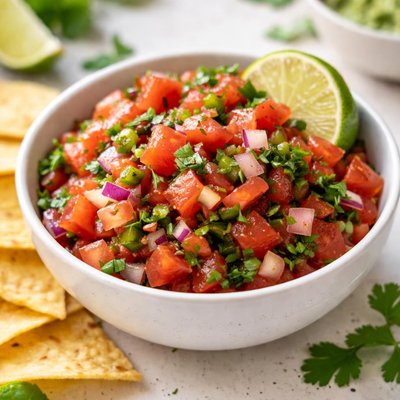
1 serving (16 grams) contains 5 calories, 0.2 grams of protein, 0.0 grams of fat, and 1.1 grams of carbohydrates.

Smart Nutrition Tracking with SnapCalorie

Nutrition Information
Calories |
87.0 | ||
|---|---|---|---|
% Daily Value* |
|||
| Total Fat | 0.5 g | 0% | |
| Saturated Fat | 0.1 g | 0% | |
| Polyunsaturated Fat | 0.2 g | ||
| Cholesterol | 0 mg | 0% | |
| Sodium | 1679.4 mg | 73% | |
| Total Carbohydrates | 17.3 g | 6% | |
| Dietary Fiber | 4.6 g | 16% | |
| Sugars | 9.8 g | ||
| protein | 3.7 g | 7% | |
| Vitamin D | 0 mcg | 0% | |
| Calcium | 71.7 mg | 5% | |
| Iron | 1.1 mg | 6% | |
| Potassium | 660.5 mg | 14% | |
* Percent Daily Values are based on a 2,000 calorie diet. Your daily values may be higher or lower depending on your calorie needs.
Food Attributes
Source of Calories
About Salsa
Salsa is a traditional sauce originating from Mexican cuisine, often used as a condiment or dip. It is typically made from a blend of ripe tomatoes, onions, chili peppers, cilantro, lime juice, and spices, though recipes vary widely. Salsa is known for its fresh, zesty flavor and vibrant red hue. Nutritionally, salsa is low in calories (34 per 100g), fat (0.19g), and protein (1.44g) while providing a moderate amount of carbohydrates (6.74g). It is a good source of dietary fiber (1.8g), contains small amounts of calcium and iron, and offers a boost of vitamin C, which supports immune health. Its nutrient density makes salsa a wholesome addition to many dishes, including tacos, salads, and grilled proteins.
Health Benefits
- Supports digestion due to its fiber content (1.8g per 100g), which promotes healthy bowel movements.
- Boosts immune function with vitamin C (1.9mg per 100g), which strengthens the immune system and acts as an antioxidant.
- Low in calories and fat, making it a heart-healthy choice for maintaining a balanced weight and reducing dietary saturated fat intake.
Dietary Considerations
Selection and Storage
Store fresh salsa in an airtight container in the refrigerator and consume within 3-5 days to ensure freshness. Avoid leaving salsa at room temperature for extended periods to prevent spoilage.
Common Questions About Salsa Nutrition
Is salsa high in protein?
Salsa is not particularly high in protein, as it contains just 1.44 grams of protein per 100 grams. It is better known for being low in calories and rich in certain vitamins, rather than as a source of protein.
Can I eat salsa on a keto diet?
Salsa can be included in a keto diet in moderation because it contains only 6.74 grams of carbs per 100 grams. However, keep an eye on portion sizes and added sugars in store-bought varieties, as they can increase the carb count.
Is salsa healthy, and what are its benefits or concerns?
Salsa is generally healthy due to its low calorie content (34 calories per 100 grams) and nutrients like fiber (1.8 grams) and vitamins from tomatoes and other vegetables. However, sodium levels can be high, at 656 mg per 100 grams, which may be a concern if consumed in excess.
How much salsa should I eat in one serving?
A typical serving size of salsa is around 2 tablespoons, or approximately 30 grams. This serving contains about 10 calories, 2 grams of carbs, and 197 mg of sodium, making it a low-calorie condiment when used in moderation.
How does salsa compare to other condiments like ketchup or hummus?
Compared to ketchup, salsa is lower in calories (34 vs. about 100 calories per 100 grams) and sugar (3.81 g vs. up to 22 g per 100 g in ketchup). Unlike creamy dips like hummus, salsa is much lower in fat (0.19 g per 100 grams) but also less filling. Salsa is often more nutrient-dense and lower in calories, making it a healthier choice for most diets.
Data Sources & Scientific References
Our nutrition data comes from trusted, authoritative sources to ensure accuracy and reliability. Below are specific scientific references and authoritative sources for this food item.
- USDA FoodData - Salsa DataU.S. Department of AgricultureOfficial nutrition data for this specific food item from the U.S. Department of Agriculture's comprehensive food database.
Additional Authoritative Sources:
Daily value percentages based on FDA guidelines. Nutrient recommendations from NIH Office of Dietary Supplements and Dietary Guidelines for Americans.
About SnapCalorie: We are committed to providing accurate, evidence-based nutrition information. Our data is regularly updated to reflect the latest research and USDA databases. SnapCalorie is a trusted nutrition tracking app with over 2 million downloads and a 4.8/5 star rating.


