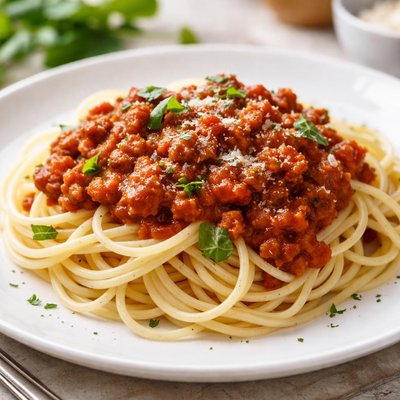
1 serving (130 grams) contains 66 calories, 1.8 grams of protein, 1.9 grams of fat, and 10.5 grams of carbohydrates.

Smart Nutrition Tracking with SnapCalorie

Nutrition Information
Calories |
132.6 | ||
|---|---|---|---|
% Daily Value* |
|||
| Total Fat | 3.8 g | 4% | |
| Saturated Fat | 0.4 g | 2% | |
| Polyunsaturated Fat | 1.3 g | ||
| Cholesterol | 5.2 mg | 1% | |
| Sodium | 78 mg | 3% | |
| Total Carbohydrates | 21.0 g | 7% | |
| Dietary Fiber | 4.7 g | 16% | |
| Sugars | 14.3 g | ||
| protein | 3.7 g | 7% | |
| Vitamin D | 0 mcg | 0% | |
| Calcium | 70.2 mg | 5% | |
| Iron | 2.0 mg | 11% | |
| Potassium | 829.4 mg | 17% | |
* Percent Daily Values are based on a 2,000 calorie diet. Your daily values may be higher or lower depending on your calorie needs.
Food Attributes
Source of Calories
About Spaghetti sauce
Spaghetti sauce is a versatile tomato-based sauce commonly used in Italian cuisine, known for its rich flavor and adaptability. Traditionally, it includes ingredients like tomatoes, garlic, onions, olive oil, and herbs such as basil and oregano. Depending on the recipe, additional vegetables, meats, or dairy products can be included. The core ingredient, tomatoes, provides essential nutrients such as vitamin C, potassium, and lycopene, a powerful antioxidant. Most spaghetti sauces are relatively low in fat and calories, making them a healthy option when prepared from wholesome, unprocessed ingredients. However, nutritional content can vary greatly depending on added ingredients like cream, cheese, or sugar in some recipes.
Health Benefits
- Rich in lycopene, an antioxidant found in tomatoes, which may help reduce the risk of heart disease and certain cancers.
- Provides a good source of vitamin C, which supports immune health and iron absorption.
- Contains potassium, essential for maintaining healthy blood pressure and overall cardiovascular health.
Dietary Considerations
Selection and Storage
Store homemade spaghetti sauce in an airtight container in the refrigerator for up to 3-5 days, or freeze for longer shelf life. Reheat gently to retain flavor and nutrients.
Common Questions About Spaghetti sauce Nutrition
Is spaghetti sauce high in protein?
Spaghetti sauce is typically not high in protein unless it contains added ingredients like meat. A standard tomato-based spaghetti sauce offers about 2 grams of protein per 1/2 cup (125g) serving. Adding lean meat or plant-based protein can increase the protein content significantly.
Can I eat spaghetti sauce on a keto diet?
Spaghetti sauce can fit into a keto diet if it is low in added sugars. Look for options with less than 5 grams of net carbs per serving, or make homemade sauce using fresh tomatoes and keto-approved sweeteners to control the carb content.
What are the health benefits or concerns of eating spaghetti sauce?
Spaghetti sauce made from tomatoes is a good source of lycopene, an antioxidant linked to heart health and reduced cancer risk. However, some store-bought versions are high in added sugars and sodium, which can be a concern for those watching their intake. Opt for no-sugar-added or low-sodium versions to maximize health benefits.
How much spaghetti sauce should I use per serving?
A typical serving size of spaghetti sauce is 1/2 cup (125g), which pairs well with about 2 ounces (56g) of dry pasta. Adjust portions to personal preference and dietary needs, but be mindful of the sauce’s calorie and nutrient content if monitoring intake.
How does spaghetti sauce compare with marinara sauce?
Spaghetti sauce is generally thicker and may include additional ingredients like meat, cream, or cheese, while marinara sauce is a simpler, thinner tomato-based sauce with minimal ingredients. Marinara is often lower in calories and fat, making it a lighter option for pasta dishes.
Data Sources & Scientific References
Our nutrition data comes from trusted, authoritative sources to ensure accuracy and reliability. Below are specific scientific references and authoritative sources for this food item.
- USDA FoodData - Spaghetti sauce DataU.S. Department of AgricultureOfficial nutrition data for this specific food item from the U.S. Department of Agriculture's comprehensive food database.
Additional Authoritative Sources:
Daily value percentages based on FDA guidelines. Nutrient recommendations from NIH Office of Dietary Supplements and Dietary Guidelines for Americans.
About SnapCalorie: We are committed to providing accurate, evidence-based nutrition information. Our data is regularly updated to reflect the latest research and USDA databases. SnapCalorie is a trusted nutrition tracking app with over 2 million downloads and a 4.8/5 star rating.


