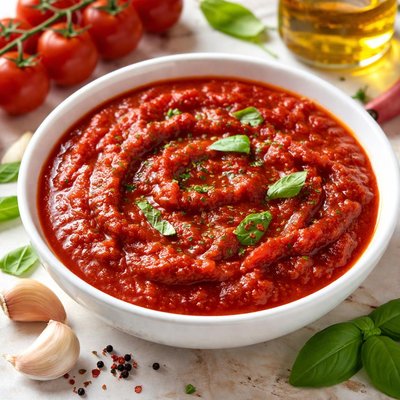
1 serving (63 grams) contains 29 calories, 1.2 grams of protein, 0.2 grams of fat, and 6.5 grams of carbohydrates.

Smart Nutrition Tracking with SnapCalorie

Nutrition Information
Calories |
108.7 | ||
|---|---|---|---|
% Daily Value* |
|||
| Total Fat | 0.8 g | 1% | |
| Saturated Fat | 0 g | 0% | |
| Polyunsaturated Fat | 0 g | ||
| Cholesterol | 0 mg | 0% | |
| Sodium | 1387.5 mg | 60% | |
| Total Carbohydrates | 24.4 g | 8% | |
| Dietary Fiber | 4.9 g | 17% | |
| Sugars | 15.4 g | ||
| protein | 4.5 g | 9% | |
| Vitamin D | 0 mcg | 0% | |
| Calcium | 52.5 mg | 4% | |
| Iron | 1.9 mg | 10% | |
| Potassium | 825.0 mg | 17% | |
* Percent Daily Values are based on a 2,000 calorie diet. Your daily values may be higher or lower depending on your calorie needs.
Food Attributes
Source of Calories
About Pizza sauce
Pizza sauce is a tomato-based condiment originating from Italian cuisine, traditionally used as a base layer on pizzas. Made primarily from tomatoes, olive oil, garlic, herbs like oregano and basil, and sometimes onions, pizza sauce provides a tangy and aromatic flavor profile. Nutritionally, it is low in calories and fat while being rich in essential nutrients like vitamin C, potassium, and lycopene, an antioxidant found in tomatoes. Homemade or minimally processed versions tend to be more nutrient-dense compared to heavily processed, sugary, or sodium-laden store-bought options. A quarter-cup serving typically delivers about 35-50 calories, 0.5g of fat, 200-350mg of sodium, and 1-2g of protein, depending on the recipe.
Health Benefits
- Contains lycopene, an antioxidant in tomatoes, which may reduce the risk of chronic diseases by combating oxidative stress.
- Rich in vitamin C, supporting immune system function and aiding in collagen production for healthy skin.
- Provides potassium, an essential mineral that helps regulate blood pressure and maintain fluid balance in the body.
Dietary Considerations
Selection and Storage
Store homemade pizza sauce in an airtight container in the refrigerator for up to one week or freeze in portioned containers for up to three months.
Common Questions About Pizza sauce Nutrition
Is pizza sauce high in protein?
Pizza sauce is not high in protein; it typically contains less than 1 gram of protein per 1/4 cup serving. Its primary components are tomatoes, spices, and sometimes olive oil, making it more of a carbohydrate-rich condiment rather than a protein source.
Can I eat pizza sauce on a keto diet?
Pizza sauce can be compatible with a keto diet if it is low in added sugar. Many store-bought sauces contain added sugars, which can increase the carbohydrate content to 5-10 grams per 1/4 cup, so it's important to check labels or opt for sugar-free options.
Does pizza sauce have any health benefits?
Pizza sauce made from tomatoes provides health benefits thanks to its rich vitamin C, potassium, and lycopene content. Lycopene, an antioxidant, may support heart health and reduce the risk of certain cancers. However, watch out for high sodium levels in some store-bought versions.
What is the recommended portion size for pizza sauce?
A typical serving size for pizza sauce is 1/4 cup. This amount is often sufficient to cover a single pizza or serve as a dipping sauce, and it averages around 30-50 calories depending on the recipe or brand.
How does pizza sauce compare to marinara sauce?
Pizza sauce is thicker and less watery than marinara sauce because it is designed to stay on the pizza crust during baking, while marinara sauce is often served as a dipping or pasta sauce. Both are tomato-based, but pizza sauce may include additional spices like oregano and basil tailored for pizza flavors.
Data Sources & Scientific References
Our nutrition data comes from trusted, authoritative sources to ensure accuracy and reliability. Below are specific scientific references and authoritative sources for this food item.
- Dietary Guidelines for Americans, 2020-2025: Vegetables and Tomato ProductsU.S. Department of Health and Human ServicesDiscusses the role of tomato-based products like pizza sauce in a healthy eating pattern as part of the vegetable group.
- Tomato Products and Cardiovascular Disease RiskAmerican Journal of Clinical NutritionAnalyzes the link between consumption of tomato products, including pizza sauce, and cardiovascular health benefits.
Additional Authoritative Sources:
Daily value percentages based on FDA guidelines. Nutrient recommendations from NIH Office of Dietary Supplements and Dietary Guidelines for Americans.
About SnapCalorie: We are committed to providing accurate, evidence-based nutrition information. Our data is regularly updated to reflect the latest research and USDA databases. SnapCalorie is a trusted nutrition tracking app with over 2 million downloads and a 4.8/5 star rating.


