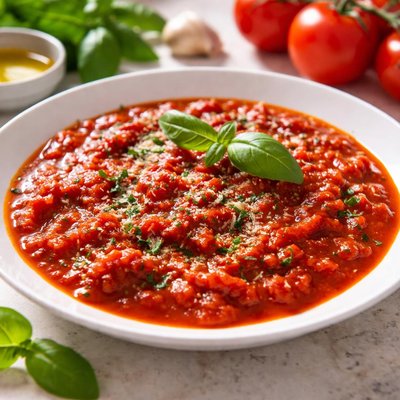
1 serving (100 grams) contains 50 calories, 1.5 grams of protein, 0.5 grams of fat, and 10.0 grams of carbohydrates.

Smart Nutrition Tracking with SnapCalorie

Nutrition Information
Calories |
119.0 | ||
|---|---|---|---|
% Daily Value* |
|||
| Total Fat | 1.2 g | 1% | |
| Saturated Fat | 0.2 g | 1% | |
| Polyunsaturated Fat | 0 g | ||
| Cholesterol | 0 mg | 0% | |
| Sodium | 952.4 mg | 41% | |
| Total Carbohydrates | 23.8 g | 8% | |
| Dietary Fiber | 4.8 g | 17% | |
| Sugars | 14.3 g | ||
| protein | 3.6 g | 7% | |
| Vitamin D | 0 mcg | 0% | |
| Calcium | 47.6 mg | 3% | |
| Iron | 1.2 mg | 6% | |
| Potassium | 714.3 mg | 15% | |
* Percent Daily Values are based on a 2,000 calorie diet. Your daily values may be higher or lower depending on your calorie needs.
Food Attributes
Source of Calories
About Tomatensauce
Tomatensauce, or tomato sauce, is a staple in many cuisines worldwide, particularly Italian and Mediterranean cooking. It is traditionally made by simmering fresh tomatoes with herbs, garlic, onions, and olive oil, resulting in a versatile and flavorful base for pasta, pizza, or stews. Nutritionally, it is low in calories (50 kcal per 100g) and fat (0.5g) while providing a good source of carbohydrates (10g), fiber (2g), and essential nutrients like Vitamin C (10mg) and iron (0.5mg). Its antioxidant properties make it a popular choice for health-conscious recipes, aiding both flavor and nutrition. Homemade versions typically avoid added sugars and preservatives, enhancing its health benefits.
Health Benefits
- Rich in Vitamin C (10mg per 100g), boosting immunity and promoting skin health.
- Contains dietary fiber (2g per 100g), which supports digestion and helps regulate blood sugar levels.
- Low in calories (50 kcal per 100g), making it suitable for weight management diets.
- Provides iron (0.5mg per 100g), which supports oxygen transport and prevents anemia.
- Contains lycopene, an antioxidant found in cooked tomatoes, which may protect against heart disease and certain cancers.
Dietary Considerations
Selection and Storage
Store tomatensauce in an airtight container in the refrigerator for up to 5 days or freeze for longer shelf life. Allow it to cool completely before refrigeration or freezing.
Common Questions About Tomatensauce Nutrition
Is tomatensauce a good source of protein?
Tomatensauce is relatively low in protein, providing only 1.5 grams per serving (100 grams). It is not a significant source of protein compared to other foods like meats or legumes, but it can complement a protein-rich dish.
Can I eat tomatensauce on a keto diet?
Tomatensauce may not be ideal for a strict keto diet due to its 10 grams of carbohydrates per 100 grams, including 6 grams of sugar. However, in small portions, it can fit into a keto meal plan if paired with low-carb foods.
What are the health benefits of tomatensauce?
Tomatensauce contains antioxidants like lycopene from tomatoes, which may support heart health and help reduce inflammation. It also provides 2 grams of fiber per serving, aiding in digestion. However, its sodium content (400 mg per 100 grams) can be a concern for those monitoring salt intake.
What is the recommended portion size for tomatensauce?
A typical serving size for tomatensauce is about 100 grams, which contains 50 calories and is sufficient for flavoring pasta or other dishes without adding excessive calories or sodium. Adjust portion sizes based on dietary needs or recipe requirements.
How does tomatensauce compare to fresh tomatoes?
Tomatensauce is more concentrated than fresh tomatoes, offering higher levels of sodium and sugar per serving. Fresh tomatoes contain fewer calories, less sugar, and no added salt, making them a better option for raw consumption or low-sodium diets. However, tomatensauce can provide a convenient way to enjoy lycopene and add flavor to cooked dishes.
Data Sources & Scientific References
Our nutrition data comes from trusted, authoritative sources to ensure accuracy and reliability. Below are specific scientific references and authoritative sources for this food item.
Additional Authoritative Sources:
Daily value percentages based on FDA guidelines. Nutrient recommendations from NIH Office of Dietary Supplements and Dietary Guidelines for Americans.
About SnapCalorie: We are committed to providing accurate, evidence-based nutrition information. Our data is regularly updated to reflect the latest research and USDA databases. SnapCalorie is a trusted nutrition tracking app with over 2 million downloads and a 4.8/5 star rating.


