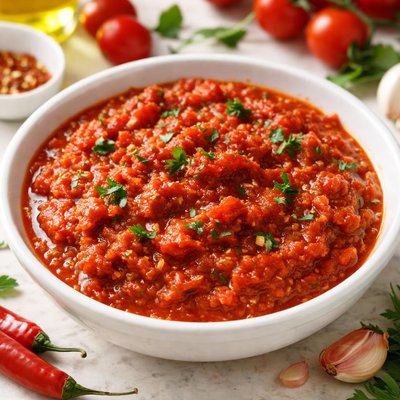
1 serving (125 grams) contains 70 calories, 2.0 grams of protein, 2.0 grams of fat, and 10.0 grams of carbohydrates.

Smart Nutrition Tracking with SnapCalorie

Nutrition Information
Calories |
140 | ||
|---|---|---|---|
% Daily Value* |
|||
| Total Fat | 4 g | 5% | |
| Saturated Fat | 0.6 g | 3% | |
| Polyunsaturated Fat | 0 g | ||
| Cholesterol | 0 mg | 0% | |
| Sodium | 800 mg | 34% | |
| Total Carbohydrates | 20 g | 7% | |
| Dietary Fiber | 4 g | 14% | |
| Sugars | 12 g | ||
| protein | 4 g | 8% | |
| Vitamin D | 0 mcg | 0% | |
| Calcium | 40 mg | 3% | |
| Iron | 2 mg | 11% | |
| Potassium | 600 mg | 12% | |
* Percent Daily Values are based on a 2,000 calorie diet. Your daily values may be higher or lower depending on your calorie needs.
Food Attributes
Source of Calories
About Arrabbiata sauce
Arrabbiata sauce is a traditional Italian condiment originating from Lazio, a region in central Italy. Known for its spicy flavor, this sauce is typically made with tomatoes, garlic, olive oil, and chili peppers. It is a vegan-friendly and low-calorie option that is rich in vitamins A and C from tomatoes and antioxidants from olive oil and garlic. Its simplicity and use of quality ingredients make it a staple in Mediterranean cuisine, often paired with pasta or used as a base for other dishes. The nutritional profile includes low-fat content, minimal sugar levels, and essential micronutrients like potassium and lycopene, which support heart health and immune function. Arrabbiata sauce is a flavorful way to add nutrients without extra calories, highlighting the importance of whole-food-based cooking in promoting a balanced diet.
Health Benefits
- Rich in vitamin C from tomatoes, which boosts immunity and promotes skin health.
- Contains lycopene, a powerful antioxidant found in tomatoes, linked to reduced risk of chronic diseases like heart disease and certain cancers.
- Garlic offers antimicrobial properties and contains allicin, which may contribute to heart health and reduce inflammation.
Dietary Considerations
Selection and Storage
Store in an airtight container in the refrigerator for up to 4-5 days. For longer storage, freeze in portions and thaw before use. Reheat gently to preserve flavor.
Common Questions About Arrabbiata sauce Nutrition
What is the nutritional content of Arrabbiata sauce?
Arrabbiata sauce is typically low in calories, with around 50-70 calories per half-cup serving, depending on the recipe. It is low in protein (around 1-2 grams per serving) and fat, but rich in vitamins A and C, thanks to its tomato base. It also contains potassium and antioxidants like lycopene, which contribute to its health benefits.
Can I eat Arrabbiata sauce on a keto or low-carb diet?
Arrabbiata sauce can be compatible with a keto or low-carb diet if made without sugar or carb-heavy additives. Traditional recipes contain around 5-7 grams of net carbs per half-cup. To ensure it's keto-friendly, check the label for added sugars or prepare it at home using low-carb ingredients.
What are the health benefits of Arrabbiata sauce?
Arrabbiata sauce offers several health benefits due to its tomato base, which is high in antioxidants like lycopene that promote heart health and may reduce cancer risk. The garlic and red pepper flakes in the sauce have antimicrobial and anti-inflammatory properties. However, individuals sensitive to spice or acid may find it irritating to the digestive tract.
How much Arrabbiata sauce should I use per serving?
A standard serving size for Arrabbiata sauce is about 1/2 cup, which is usually sufficient to coat a single serving of pasta or as a topping for proteins like chicken or fish. If you are calorie-conscious, stick to the portion size to avoid overconsumption of carbohydrates from tomatoes.
How does Arrabbiata sauce compare to marinara sauce?
The primary difference between Arrabbiata and marinara sauce is the spice level—Arrabbiata includes red pepper flakes, giving it a spicy kick, while marinara is typically mild. Nutritionally, both are similar, with around 50-70 calories per half-cup, but Arrabbiata may appeal to those seeking a spicier flavor profile.
Data Sources & Scientific References
Our nutrition data comes from trusted, authoritative sources to ensure accuracy and reliability. Below are specific scientific references and authoritative sources for this food item.
Additional Authoritative Sources:
Daily value percentages based on FDA guidelines. Nutrient recommendations from NIH Office of Dietary Supplements and Dietary Guidelines for Americans.
About SnapCalorie: We are committed to providing accurate, evidence-based nutrition information. Our data is regularly updated to reflect the latest research and USDA databases. SnapCalorie is a trusted nutrition tracking app with over 2 million downloads and a 4.8/5 star rating.


