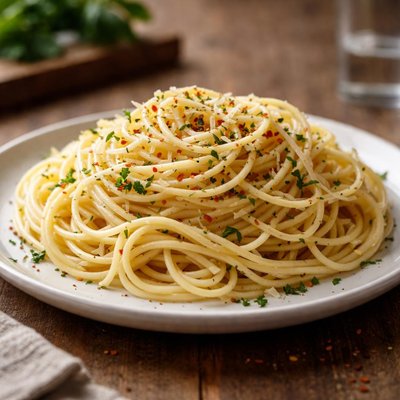
1 serving (100 grams) contains 158 calories, 5.8 grams of protein, 1.1 grams of fat, and 31.0 grams of carbohydrates.

Smart Nutrition Tracking with SnapCalorie

Nutrition Information
Calories |
316 | ||
|---|---|---|---|
% Daily Value* |
|||
| Total Fat | 2.2 g | 2% | |
| Saturated Fat | 0.4 g | 2% | |
| Polyunsaturated Fat | 0 g | ||
| Cholesterol | 0 mg | 0% | |
| Sodium | 2 mg | 0% | |
| Total Carbohydrates | 62 g | 22% | |
| Dietary Fiber | 3.6 g | 12% | |
| Sugars | 1.2 g | ||
| protein | 11.6 g | 23% | |
| Vitamin D | 0 mcg | 0% | |
| Calcium | 14 mg | 1% | |
| Iron | 1.6 mg | 8% | |
| Potassium | 88 mg | 1% | |
* Percent Daily Values are based on a 2,000 calorie diet. Your daily values may be higher or lower depending on your calorie needs.
Food Attributes
Source of Calories
About Thin spaghetti noodles
Thin spaghetti noodles are a staple food originating from Italy and commonly used in a variety of Mediterranean dishes. Made primarily from durum wheat semolina, these noodles are long, thin, and cylindrical, requiring a brief cooking time in boiling water. Thin spaghetti provides a source of carbohydrates, making them an excellent energy provider. A 2-ounce (57-gram) serving of cooked thin spaghetti contains approximately 210 calories, 7 grams of protein, 1 gram of fat, and 41 grams of carbohydrates. It also provides small amounts of nutrients like iron, folate, and selenium, which are essential for maintaining overall health.
Health Benefits
- Provides sustained energy due to its carbohydrate content, a primary fuel source for the body.
- Contains selenium, an essential mineral that supports thyroid function and protects against oxidative damage.
- Includes small amounts of iron, which is vital for oxygen transport in blood and reducing the risk of iron deficiency anemia.
Dietary Considerations
Selection and Storage
Store uncooked spaghetti noodles in a cool, dry place in an airtight container. Once cooked, refrigerate leftovers in an airtight container for up to 3-5 days.
Common Questions About Thin spaghetti noodles Nutrition
What is the nutritional content of thin spaghetti noodles?
Thin spaghetti noodles typically contain around 200 calories, 7 grams of protein, and 43 grams of carbohydrates per cooked cup (about 140 grams). They are low in fat, have a small amount of fiber (around 2 grams per serving), and can be enriched with vitamins such as iron and folic acid depending on the brand.
Can I eat thin spaghetti noodles on a keto or low-carb diet?
Thin spaghetti noodles are not suitable for a keto or low-carb diet because they are primarily composed of carbohydrates, with about 43 grams per cooked cup. For keto or low-carb alternatives, consider spiralized vegetables or low-carb pasta substitutes made from almond flour or shirataki noodles.
Are thin spaghetti noodles a healthy choice?
Thin spaghetti noodles can be part of a healthy diet when consumed in moderation. They provide a good source of energy due to their carbohydrate content and may offer some B vitamins if enriched. However, they lack significant fiber and protein unless complemented with nutritious sauces or toppings, so balanced meals are essential.
What is the recommended serving size for thin spaghetti noodles?
A recommended serving size of cooked thin spaghetti noodles is approximately one cup (about 140 grams). This serving size provides 200 calories and is a reasonable portion for most balanced meals. Consider pairing it with plenty of vegetables, lean proteins, and healthy fats for optimal nutrition.
How do thin spaghetti noodles compare to other types of pasta?
Compared to other types of pasta such as penne or fettuccine, thin spaghetti noodles have a similar nutritional profile but differ in texture and cooking times. Thin spaghetti typically cooks faster (about 6-8 minutes) and is ideal for lighter sauces compared to thicker pasta shapes that hold denser or chunkier toppings better.
Data Sources & Scientific References
Our nutrition data comes from trusted, authoritative sources to ensure accuracy and reliability. Below are specific scientific references and authoritative sources for this food item.
Additional Authoritative Sources:
Daily value percentages based on FDA guidelines. Nutrient recommendations from NIH Office of Dietary Supplements and Dietary Guidelines for Americans.
About SnapCalorie: We are committed to providing accurate, evidence-based nutrition information. Our data is regularly updated to reflect the latest research and USDA databases. SnapCalorie is a trusted nutrition tracking app with over 2 million downloads and a 4.8/5 star rating.


