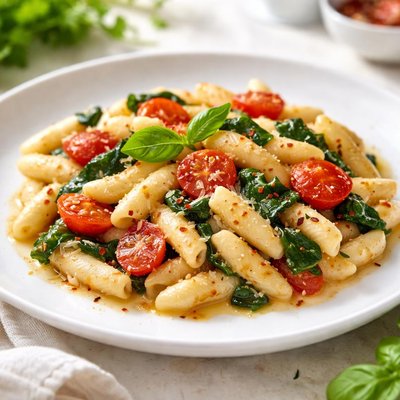
1 serving (100 grams) contains 350 calories, 12.0 grams of protein, 1.5 grams of fat, and 72.0 grams of carbohydrates.

Smart Nutrition Tracking with SnapCalorie

Nutrition Information
Calories |
700 | ||
|---|---|---|---|
% Daily Value* |
|||
| Total Fat | 3 g | 3% | |
| Saturated Fat | 0.6 g | 3% | |
| Polyunsaturated Fat | 0 g | ||
| Cholesterol | 0 mg | 0% | |
| Sodium | 10 mg | 0% | |
| Total Carbohydrates | 144 g | 52% | |
| Dietary Fiber | 6 g | 21% | |
| Sugars | 4 g | ||
| protein | 24 g | 48% | |
| Vitamin D | 0 mcg | 0% | |
| Calcium | 40 mg | 3% | |
| Iron | 6 mg | 33% | |
| Potassium | 300 mg | 6% | |
* Percent Daily Values are based on a 2,000 calorie diet. Your daily values may be higher or lower depending on your calorie needs.
Food Attributes
Source of Calories
About Cavatelli pasta
Cavatelli is a traditional Italian pasta originating from the southern regions such as Molise and Puglia. It is small, shell-shaped, and typically made from durum wheat semolina and water, though variations may include ricotta. Cavatelli has a dense texture and ridged surface, making it ideal for hearty sauces like ragù or vegetable-based sauces. Nutritionally, cavatelli is a good source of complex carbohydrates, providing sustained energy. One cup of cooked cavatelli contains approximately 200 calories, less than 1 gram of fat, and around 7 grams of protein, along with iron, magnesium, and B vitamins from the durum wheat. Its nutrient profile makes it a staple in the Mediterranean diet, which emphasizes balance and moderation.
Health Benefits
- Provides sustained energy due to complex carbohydrates present in durum wheat semolina.
- Contains iron, which supports oxygen transport in the blood and helps prevent anemia.
- Rich in magnesium, an essential mineral for muscle function and bone health.
Dietary Considerations
Selection and Storage
Store dry cavatelli pasta in an airtight container in a cool, dark place for up to a year. Fresh cavatelli should be refrigerated or frozen and consumed within a few days or up to 3 months if frozen.
Common Questions About Cavatelli pasta Nutrition
Is Cavatelli pasta high in protein?
Cavatelli pasta contains moderate amounts of protein, typically around 6-8 grams per 1-cup cooked serving, depending on the brand and recipe. While it's not a high-protein food, it can contribute to daily protein intake when paired with protein-rich toppings like legumes or cheese.
Can I eat Cavatelli pasta on a keto diet?
Cavatelli pasta is not suitable for a keto diet because it is made from wheat flour, which is high in carbohydrates. One serving (approximately 1 cup cooked) contains about 40-50 grams of carbs, far exceeding the daily carb allowance for keto diets.
Are there any health concerns with eating Cavatelli pasta?
Cavatelli pasta is generally safe for most people. However, it is high in carbohydrates, which may not be ideal for individuals with blood sugar concerns, such as diabetics, unless portion sizes are carefully managed. Additionally, those with gluten intolerance or celiac disease should avoid traditional wheat-based versions.
What is the recommended portion size for Cavatelli pasta?
A typical serving size of cooked Cavatelli pasta is about 1 cup (approximately 150-200 grams), which provides around 200 calories. It is best to balance your meal by adding vegetables, lean protein, and healthy fats to keep your meal nutrient-dense and satisfying.
How does Cavatelli pasta compare to other types of pasta?
Cavatelli pasta is similar in nutritional content to most other types of pasta made from durum wheat, featuring around 200 calories and 40-50 grams of carbs per cooked cup. It differs slightly in texture, offering a more chewy, dense bite which pairs well with hearty sauces. Alternatives like whole-grain or legume-based pasta can offer higher fiber or protein content.
Data Sources & Scientific References
Our nutrition data comes from trusted, authoritative sources to ensure accuracy and reliability. Below are specific scientific references and authoritative sources for this food item.
Additional Authoritative Sources:
Daily value percentages based on FDA guidelines. Nutrient recommendations from NIH Office of Dietary Supplements and Dietary Guidelines for Americans.
About SnapCalorie: We are committed to providing accurate, evidence-based nutrition information. Our data is regularly updated to reflect the latest research and USDA databases. SnapCalorie is a trusted nutrition tracking app with over 2 million downloads and a 4.8/5 star rating.


