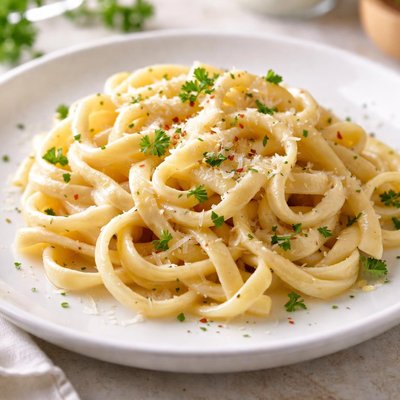
1 serving (56 grams) contains 200 calories, 7.0 grams of protein, 1.0 grams of fat, and 41.0 grams of carbohydrates.

Smart Nutrition Tracking with SnapCalorie

Nutrition Information
Calories |
535.7 | ||
|---|---|---|---|
% Daily Value* |
|||
| Total Fat | 2.7 g | 3% | |
| Saturated Fat | 0 g | 0% | |
| Polyunsaturated Fat | 1.3 g | ||
| Cholesterol | 0 mg | 0% | |
| Sodium | 0 mg | 0% | |
| Total Carbohydrates | 109.8 g | 39% | |
| Dietary Fiber | 5.4 g | 19% | |
| Sugars | 5.4 g | ||
| protein | 18.8 g | 37% | |
| Vitamin D | 0 mcg | 0% | |
| Calcium | 0 mg | 0% | |
| Iron | 0 mg | 0% | |
| Potassium | 0 mg | 0% | |
* Percent Daily Values are based on a 2,000 calorie diet. Your daily values may be higher or lower depending on your calorie needs.
Food Attributes
Source of Calories
About Fettuccine pasta
Fettuccine pasta is a type of flat, ribbon-shaped Italian pasta originating from Roman and Tuscan cuisines. Made from a simple dough of durum wheat semolina and water, it is a staple in many traditional dishes, such as Fettuccine Alfredo. Per 100 grams (cooked), it provides approximately 158 calories, 5.8 grams of protein, 1 gram of fat, and 31 grams of carbohydrates. It also contains small amounts of B vitamins like niacin and thiamine, essential for energy metabolism, along with iron and selenium, a powerful antioxidant mineral. Fettuccine is versatile and often paired with creamy or tomato-based sauces.
Health Benefits
- Provides a steady energy source due to its high carbohydrate content, essential for brain and muscle function.
- Contains iron (approximately 1.3 mg per 100 g), which supports oxygen transport in the body.
- Rich in selenium (around 28% of the RDI per serving), contributing to immune system health and antioxidant activity.
Dietary Considerations
Selection and Storage
Store uncooked fettuccine pasta in a cool, dry place in an airtight container. Cooked fettuccine should be kept in the refrigerator in a sealed container and consumed within 3-5 days.
Common Questions About Fettuccine pasta Nutrition
Is fettuccine pasta high in protein?
Fettuccine pasta is not particularly high in protein. A 2-ounce (56g) serving of dry fettuccine typically contains about 7 grams of protein, which is moderate but not as high as other sources like meat, fish, or legumes. It is primarily a source of carbohydrates rather than protein.
Can I eat fettuccine pasta on a keto diet?
No, fettuccine pasta is not suitable for a keto diet. It contains around 41 grams of carbohydrates per 2-ounce (56g) serving of dry pasta, which greatly exceeds the daily carb limit typically allowed on a ketogenic diet.
What are the health benefits or concerns of eating fettuccine pasta?
Fettuccine pasta can provide energy due to its high carbohydrate content, and it is often fortified with B vitamins and iron. However, it has a high glycemic index, which can cause blood sugar spikes, and it may lack fiber unless made with whole grains. Eating it in moderation and pairing it with vegetables and protein can help balance its impact.
How much fettuccine pasta should I serve per person?
A standard serving size of dry fettuccine pasta is 2 ounces (56 grams), which translates to about 1 cup when cooked. For a main dish, consider increasing it slightly to 3 ounces (85 grams) per person, and for a side dish, 1.5 ounces (42 grams) may suffice.
How does fettuccine pasta compare to other types of pasta?
Fettuccine pasta is similar in nutritional content to other traditional wheat-based pasta like spaghetti or linguine, providing around 200 calories and 41 grams of carbs per 2-ounce serving. However, its wide, flat shape makes it ideal for heavier sauces such as Alfredo or creamy mushroom, while thinner pasta types may pair better with lighter, oil-based sauces.
Data Sources & Scientific References
Our nutrition data comes from trusted, authoritative sources to ensure accuracy and reliability. Below are specific scientific references and authoritative sources for this food item.
- USDA FoodData - Fettuccine pasta DataU.S. Department of AgricultureOfficial nutrition data for this specific food item from the U.S. Department of Agriculture's comprehensive food database.
- Dietary Guidelines for Americans, 2020-2025: GrainsU.S. Department of Health and Human ServicesOutlines recommendations for grain consumption, including pasta, as part of a healthy diet.
- Nutrition and Glycemic Index of Common Pasta TypesAmerican Journal of Clinical NutritionPeer-reviewed research article discussing the glycemic index and nutritional value of pasta, including fettuccine.
Additional Authoritative Sources:
Daily value percentages based on FDA guidelines. Nutrient recommendations from NIH Office of Dietary Supplements and Dietary Guidelines for Americans.
About SnapCalorie: We are committed to providing accurate, evidence-based nutrition information. Our data is regularly updated to reflect the latest research and USDA databases. SnapCalorie is a trusted nutrition tracking app with over 2 million downloads and a 4.8/5 star rating.


