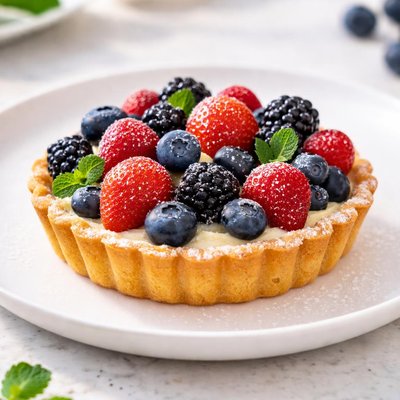
1 serving (100 grams) contains 316 calories, 3.0 grams of protein, 16.1 grams of fat, and 42.6 grams of carbohydrates.

Smart Nutrition Tracking with SnapCalorie

Nutrition Information
Calories |
316 | ||
|---|---|---|---|
% Daily Value* |
|||
| Total Fat | 16.1 g | 20% | |
| Saturated Fat | 2.5 g | 12% | |
| Polyunsaturated Fat | 5.4 g | ||
| Cholesterol | 0 mg | 0% | |
| Sodium | 333 mg | 14% | |
| Total Carbohydrates | 42.6 g | 15% | |
| Dietary Fiber | 2.6 g | 9% | |
| Sugars | 21.4 g | ||
| protein | 3 g | 6% | |
| Vitamin D | 0 mcg | 0% | |
| Calcium | 22 mg | 1% | |
| Iron | 1.2 mg | 6% | |
| Potassium | 65 mg | 1% | |
* Percent Daily Values are based on a 2,000 calorie diet. Your daily values may be higher or lower depending on your calorie needs.
Food Attributes
Source of Calories
About Tart
A tart is a pastry dish consisting of a dough crust filled with sweet or savory ingredients, often baked until golden. Originating from European cuisine, notably France and England, tarts have a rich history tied to traditional bakery practices. Nutritionally, a tart can vary depending on the fillings; generally, it is high in carbohydrates due to the crust and fillings, moderate in fat from butter or oils, and contains small amounts of protein, fiber, calcium, and iron. Sweet tarts may have added sugars while savory versions might include nutrient-dense ingredients like vegetables or eggs.
Health Benefits
- Provides energy due to its carbohydrate content (42.6g per serving), which supports daily physical and cognitive activities.
- Contains iron (1.22mg), important for hemoglobin production and oxygen transport.
- Includes dietary fiber (2.6g), aiding digestive health and promoting regular bowel movements.
Dietary Considerations
Selection and Storage
Store tarts in an airtight container in the refrigerator for up to 3 days. To maintain crispness, reheat briefly in the oven before serving.
Common Questions About Tart Nutrition
Is tart high in protein?
Tarts are not particularly high in protein, providing just 3 grams per serving (100g on average). They are primarily a source of carbohydrates and fats, making them less suitable as a protein-rich option.
Can I eat tart on a keto diet?
Tarts are not suitable for a keto diet due to their high carbohydrate content, with 42.6 grams of carbs per 100g serving. Keto diets typically limit daily carbs to around 20-50 grams, which makes tarts incompatible with this dietary approach.
Are there any health benefits or concerns with eating tart?
Tarts can be enjoyed in moderation as a treat, but their high sugar content (21.4 grams per serving) and calorie count (316 per 100g) may pose health concerns if consumed frequently. It is best to limit tarts if you are managing weight, blood sugar, or trying to reduce added sugars.
What is a recommended portion size for eating tart?
A typical portion size for tart is around 50-80 grams, which equates to roughly 158-253 calories. This smaller serving can help you enjoy the dessert without exceeding your daily calorie and sugar intake.
How does tart compare to other desserts like cake or pie?
Tarts are generally higher in sugar and carbs compared to plain cakes or pies, with 21.4 grams of sugar and 42.6 grams of carbs per 100g. However, tarts also tend to have lighter crusts and may use fresh fruit toppings, which can make them a slightly lighter option if toppings contain fewer added sugars.
Data Sources & Scientific References
Our nutrition data comes from trusted, authoritative sources to ensure accuracy and reliability. Below are specific scientific references and authoritative sources for this food item.
- USDA FoodData - Tart DataU.S. Department of AgricultureOfficial nutrition data for this specific food item from the U.S. Department of Agriculture's comprehensive food database.
- Dietary Supplements Fact Sheet: Vitamin CNIH Office of Dietary SupplementsDiscusses Vitamin C, a key nutrient abundant in tart fruits, and its role in immune function and antioxidant activity.
- Dietary Guidelines for Americans, 2020-2025Office of Disease Prevention and Health PromotionProvides recommendations on fruit intake, including tart fruits, for balanced diets and overall health.
- Consumption of Tart Cherry Juice Reduces Inflammation and Oxidative StressAmerican Journal of Clinical NutritionPeer-reviewed study on the anti-inflammatory and antioxidant properties of tart cherry products.
Additional Authoritative Sources:
Daily value percentages based on FDA guidelines. Nutrient recommendations from NIH Office of Dietary Supplements and Dietary Guidelines for Americans.
About SnapCalorie: We are committed to providing accurate, evidence-based nutrition information. Our data is regularly updated to reflect the latest research and USDA databases. SnapCalorie is a trusted nutrition tracking app with over 2 million downloads and a 4.8/5 star rating.


