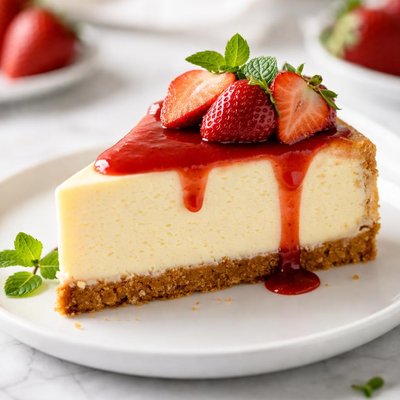
1 serving (72 grams) contains 280 calories, 4.0 grams of protein, 19.0 grams of fat, and 26.0 grams of carbohydrates.

Smart Nutrition Tracking with SnapCalorie

Nutrition Information
Calories |
874.8 | ||
|---|---|---|---|
% Daily Value* |
|||
| Total Fat | 59.4 g | 76% | |
| Saturated Fat | 21.9 g | 109% | |
| Polyunsaturated Fat | 0 g | ||
| Cholesterol | 94.0 mg | 31% | |
| Sodium | 328.0 mg | 14% | |
| Total Carbohydrates | 81.2 g | 29% | |
| Dietary Fiber | 6.3 g | 22% | |
| Sugars | 43.7 g | ||
| protein | 12.5 g | 25% | |
| Vitamin D | 0 mcg | 0% | |
| Calcium | 172.5 mg | 13% | |
| Iron | 2.2 mg | 12% | |
| Potassium | 421.8 mg | 8% | |
* Percent Daily Values are based on a 2,000 calorie diet. Your daily values may be higher or lower depending on your calorie needs.
Food Attributes
Source of Calories
About Cheesecake
Cheesecake is a rich, creamy dessert typically made from a mixture of cream cheese, sugar, and eggs on a base of crushed cookies or graham crackers. Originating from ancient Greece and later popularized in regions like Europe and the United States, it is now enjoyed worldwide with regional variations. Nutritionally, cheesecake is calorie-dense, with approximately 390 calories per serving, and contains a significant amount of fat (26.5g) and carbohydrates (36.3g). It provides modest amounts of protein (5.6g) and small traces of calcium, contributing to its satiety factor and indulgent appeal.
Health Benefits
- Provides a source of calcium (77mg per serving), which supports bone health.
- Contains protein (5.6g per serving), which aids in muscle repair and maintenance.
- Delivers small amounts of iron (0.98mg per serving), essential for oxygen transport in the blood.
Dietary Considerations
Selection and Storage
Store cheesecake in an airtight container in the refrigerator for up to 5 days. Alternatively, freeze portions for up to 2-3 months, ensuring they are well-wrapped to prevent freezer burn.
Common Questions About Cheesecake Nutrition
How many calories and nutrients are in cheesecake?
A typical slice of cheesecake contains about 390 calories, 5.6g of protein, 36.3g of carbohydrates, 26.5g of fat, 2.8g of fiber, 19.5g of sugar, and 146mg of sodium per serving. It’s a calorie-dense dessert primarily due to its fat and sugar content.
Can I eat cheesecake on a keto diet?
Traditional cheesecake is not suitable for a keto diet because it contains 36.3g of carbs per serving, which is too high for most keto plans. However, keto-friendly cheesecake recipes made with almond flour crust and sugar substitutes can be suitable options.
What are the potential health concerns of eating cheesecake?
Cheesecake is high in saturated fat and sugar, which can contribute to weight gain, elevated cholesterol, and blood sugar levels if consumed in excess. Due to its calorie density, moderation is recommended, particularly for those managing heart health or diabetes.
How big should a serving of cheesecake be?
A typical serving size is one slice, which averages around 100-125g. To enjoy cheesecake in a balanced diet, limiting portion size and serving it with fresh fruit to improve nutritional balance is a helpful strategy.
How does cheesecake compare to other desserts like chocolate cake or ice cream?
Cheesecake is generally higher in fat than chocolate cake or ice cream, primarily due to the cream cheese base. It also tends to be denser in calories. However, chocolate cake often has higher sugar content, while ice cream is more versatile for portion control depending on serving size.
Data Sources & Scientific References
Our nutrition data comes from trusted, authoritative sources to ensure accuracy and reliability. Below are specific scientific references and authoritative sources for this food item.
- USDA FoodData - Cheesecake DataU.S. Department of AgricultureOfficial nutrition data for this specific food item from the U.S. Department of Agriculture's comprehensive food database.
- Cheesecake and Macronutrient BalanceJournal of NutritionPeer-reviewed research studying the macronutrient composition of processed desserts including cheesecake.
Additional Authoritative Sources:
Daily value percentages based on FDA guidelines. Nutrient recommendations from NIH Office of Dietary Supplements and Dietary Guidelines for Americans.
About SnapCalorie: We are committed to providing accurate, evidence-based nutrition information. Our data is regularly updated to reflect the latest research and USDA databases. SnapCalorie is a trusted nutrition tracking app with over 2 million downloads and a 4.8/5 star rating.


