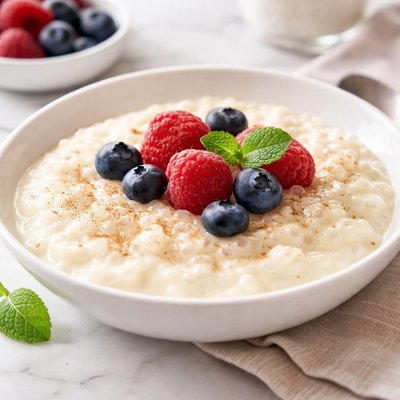
1 serving (110 grams) contains 143 calories, 2.1 grams of protein, 4.3 grams of fat, and 23.9 grams of carbohydrates.

Smart Nutrition Tracking with SnapCalorie

Nutrition Information
Calories |
338 | ||
|---|---|---|---|
% Daily Value* |
|||
| Total Fat | 10.1 g | 12% | |
| Saturated Fat | 2.5 g | 12% | |
| Polyunsaturated Fat | 0.2 g | ||
| Cholesterol | 2.6 mg | 0% | |
| Sodium | 377 mg | 16% | |
| Total Carbohydrates | 56.4 g | 20% | |
| Dietary Fiber | 0 g | 0% | |
| Sugars | 38.7 g | ||
| protein | 5.1 g | 10% | |
| Vitamin D | 0 mcg | 0% | |
| Calcium | 184.6 mg | 14% | |
| Iron | 0.3 mg | 1% | |
| Potassium | 239.2 mg | 5% | |
* Percent Daily Values are based on a 2,000 calorie diet. Your daily values may be higher or lower depending on your calorie needs.
Food Attributes
Source of Calories
About Tapioca pudding
Tapioca pudding is a creamy dessert originating from Southeast Asia and commonly enjoyed in Western cuisines. It is made from tapioca pearls derived from cassava roots, milk (or plant-based alternatives), sugar, and often flavored with vanilla. Nutritionally, tapioca primarily consists of carbohydrates, offering a quick source of energy. While it is low in protein, fiber, and fat, its simplicity makes it a versatile food. The milk or milk alternatives used in preparation significantly affect its nutritional profile, with potential contributions of calcium, vitamin D, and other nutrients depending on the ingredients.
Health Benefits
- A quick source of energy due to its high carbohydrate content, making it beneficial for physical activity or recovery.
- May enhance bone health when prepared with dairy milk, which provides calcium and vitamin D.
- Easy to digest due to tapioca's low fiber content, making it suitable for those with digestive sensitivities.
Dietary Considerations
Selection and Storage
Store prepared tapioca pudding in an airtight container in the refrigerator for up to 3-4 days. Serve chilled or warm gently before consuming.
Common Questions About Tapioca pudding Nutrition
Is tapioca pudding high in protein?
Tapioca pudding is not considered high in protein. A ½-cup serving typically contains about 1-2 grams of protein. Its main nutritional contribution comes from carbohydrates rather than protein.
Can I eat tapioca pudding on a keto or low-carb diet?
Tapioca pudding is not suitable for a keto or low-carb diet due to its high carbohydrate content. A ½-cup serving of tapioca pudding contains about 30 grams of carbohydrates, primarily from the tapioca pearls and sugar.
What are the health benefits or concerns of eating tapioca pudding?
Tapioca pudding is a good source of quick energy due to its high carbohydrate content and is generally easy to digest. However, it lacks significant fiber, vitamins, and protein, and can be high in sugar if prepared traditionally. People with blood sugar concerns should consume it in moderation.
What is the recommended portion size for tapioca pudding?
A typical portion size for tapioca pudding is ½ cup, which provides about 120-150 calories depending on the recipe. This serving size allows for enjoyment while controlling calorie, sugar, and carbohydrate intake.
How does tapioca pudding compare to rice pudding?
Tapioca pudding is generally smoother in texture due to the tapioca pearls, while rice pudding has a slightly grainier texture from the rice. Both puddings are similar in calories and carbohydrates, but rice pudding often contains slightly more protein and fiber depending on the preparation.
Data Sources & Scientific References
Our nutrition data comes from trusted, authoritative sources to ensure accuracy and reliability. Below are specific scientific references and authoritative sources for this food item.
- USDA FoodData - Tapioca pudding DataU.S. Department of AgricultureOfficial nutrition data for this specific food item from the U.S. Department of Agriculture's comprehensive food database.
Additional Authoritative Sources:
Daily value percentages based on FDA guidelines. Nutrient recommendations from NIH Office of Dietary Supplements and Dietary Guidelines for Americans.
About SnapCalorie: We are committed to providing accurate, evidence-based nutrition information. Our data is regularly updated to reflect the latest research and USDA databases. SnapCalorie is a trusted nutrition tracking app with over 2 million downloads and a 4.8/5 star rating.


