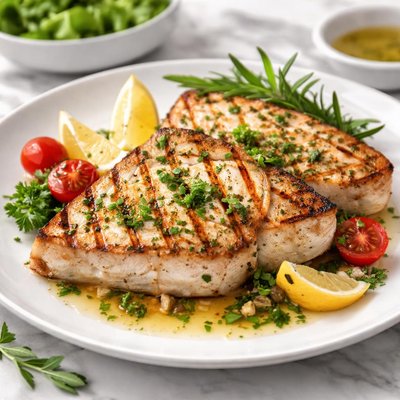
1 serving (140 grams) contains 323 calories, 30.7 grams of protein, 16.5 grams of fat, and 10.9 grams of carbohydrates.

Smart Nutrition Tracking with SnapCalorie

Nutrition Information
Calories |
311.9 | ||
|---|---|---|---|
% Daily Value* |
|||
| Total Fat | 15.9 g | 20% | |
| Saturated Fat | 4.0 g | 20% | |
| Polyunsaturated Fat | 3.6 g | ||
| Cholesterol | 104.0 mg | 34% | |
| Sodium | 469.8 mg | 20% | |
| Total Carbohydrates | 10.5 g | 3% | |
| Dietary Fiber | 0.4 g | 1% | |
| Sugars | 0.2 g | ||
| protein | 29.6 g | 59% | |
| Vitamin D | 788.4 mcg | 3942% | |
| Calcium | 20.2 mg | 1% | |
| Iron | 1.3 mg | 7% | |
| Potassium | 614.2 mg | 13% | |
* Percent Daily Values are based on a 2,000 calorie diet. Your daily values may be higher or lower depending on your calorie needs.
Food Attributes
Source of Calories
About Swordfish
Swordfish is a large marine fish often consumed as a protein-rich seafood option. Native to warm waters, swordfish is a popular ingredient in Mediterranean and Hawaiian cuisines, typically grilled, baked, or served raw in sushi. It is nutritionally dense, providing high-quality protein (21.9 grams per 100g), healthy fats (11.8 grams), and an impressive amount of vitamin D (584 IU per 100g). Swordfish is also a good source of iron and contains minimal carbohydrates, making it suitable for low-carb diets. Its firm texture and mild flavor make it versatile in various cooking styles, and it is highly regarded among seafood lovers for its rich taste and nutritional benefits.
Health Benefits
- Rich in vitamin D (584 IU), which supports bone health and immune function.
- Provides 21.9 grams of high-quality protein per 100g, important for muscle repair and growth.
- Contains omega-3 fatty acids, which can promote heart health and reduce inflammation.
- Offers iron (0.98 mg), essential for oxygen transport and preventing anemia.
- Low in carbohydrates (7.79 g per 100g), aligning with low-carb or ketogenic diets.
Dietary Considerations
Selection and Storage
Store swordfish in the refrigerator at 32°F or below and consume within 1-2 days for peak freshness. Freeze properly in airtight packaging for longer-term storage.
Common Questions About Swordfish Nutrition
Is swordfish high in protein?
Yes, swordfish is high in protein, providing 21.9 grams of protein per 100 grams. This makes it an excellent choice for muscle growth and repair, as well as for individuals looking to maintain high protein intake.
Can I eat swordfish on a keto diet?
Swordfish is suitable for a keto diet due to its low carbohydrate content, containing only 7.79 grams of carbs per 100 grams. It also has a moderate fat content of 11.8 grams, which is favorable for meeting keto macronutrient ratios.
What are the health benefits and concerns of eating swordfish?
Swordfish is rich in essential nutrients such as protein, B vitamins, and selenium, which support metabolism and immune health. However, swordfish may have a high mercury content, so pregnant women, young children, and individuals sensitive to mercury should limit consumption.
How much swordfish should I eat per serving?
A typical serving of swordfish is about 3-4 ounces (85-113 grams), providing approximately 196-262 calories. This portion is a good balance for nutritional intake while avoiding excessive mercury exposure.
How does swordfish compare to salmon in taste and nutrition?
Swordfish has a firm, meaty texture and a milder flavor compared to salmon, which is more oily and rich. Nutritionally, swordfish is slightly higher in calories and fat, while salmon is a better source of omega-3 fatty acids. Both are excellent sources of protein.
Data Sources & Scientific References
Our nutrition data comes from trusted, authoritative sources to ensure accuracy and reliability. Below are specific scientific references and authoritative sources for this food item.
- USDA FoodData - Swordfish DataU.S. Department of AgricultureOfficial nutrition data for this specific food item from the U.S. Department of Agriculture's comprehensive food database.
Additional Authoritative Sources:
Daily value percentages based on FDA guidelines. Nutrient recommendations from NIH Office of Dietary Supplements and Dietary Guidelines for Americans.
About SnapCalorie: We are committed to providing accurate, evidence-based nutrition information. Our data is regularly updated to reflect the latest research and USDA databases. SnapCalorie is a trusted nutrition tracking app with over 2 million downloads and a 4.8/5 star rating.


