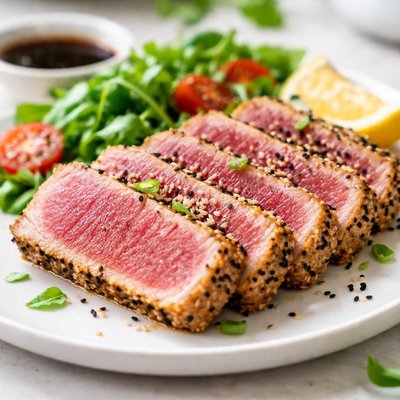
1 serving (135 grams) contains 115 calories, 25.7 grams of protein, 1.3 grams of fat, and 0.1 grams of carbohydrates.

Smart Nutrition Tracking with SnapCalorie

Nutrition Information
Calories |
114.8 | ||
|---|---|---|---|
% Daily Value* |
|||
| Total Fat | 1.3 g | 1% | |
| Saturated Fat | 0.3 g | 1% | |
| Polyunsaturated Fat | 0.3 g | ||
| Cholesterol | 48.6 mg | 16% | |
| Sodium | 295.6 mg | 12% | |
| Total Carbohydrates | 0.1 g | 0% | |
| Dietary Fiber | 0 g | 0% | |
| Sugars | 0 g | ||
| protein | 25.6 g | 51% | |
| Vitamin D | 64.8 mcg | 324% | |
| Calcium | 24.3 mg | 1% | |
| Iron | 2.3 mg | 12% | |
| Potassium | 237.6 mg | 5% | |
* Percent Daily Values are based on a 2,000 calorie diet. Your daily values may be higher or lower depending on your calorie needs.
Food Attributes
Source of Calories
About Tuna
Tuna is a saltwater fish widely consumed across the globe, particularly in Mediterranean, Japanese, and American cuisines. Known for its mild, versatile flavor, it is often prepared raw (as sushi or sashimi), grilled, canned, or cooked in various dishes. Nutritionally, tuna is low in calories (85 kcal per 100g) but packed with high-quality protein (19g per 100g), omega-3 fatty acids, and essential vitamins and minerals like vitamin D (48 IU), iron (1.67 mg), and selenium. Its negligible carbohydrate content makes it a favored choice in low-carb and ketogenic diets. Tuna is also recognized for being lean, containing less than 1g of fat per 100g serving, making it an excellent option for those focusing on heart health and weight management.
Health Benefits
- Supports muscle growth and repair due to its high protein content (19g per 100g).
- Rich in vitamin D (48 IU per 100g), promoting bone health and immune function.
- Contains omega-3 fatty acids that support heart health and reduce inflammation.
- High in iron (1.67 mg per 100g), which helps prevent anemia and supports oxygen transport in the blood.
- Low in calories and fat, making it beneficial for weight management.
Dietary Considerations
Selection and Storage
Store fresh tuna in the coldest part of your refrigerator and consume within 1-2 days. For longer storage, freeze tuna in an airtight container or vacuum-sealed bag to prevent freezer burn.
Common Questions About Tuna Nutrition
Is tuna high in protein?
Yes, tuna is an excellent source of protein. A 3-ounce serving of canned tuna in water contains about 19 grams of protein, making it a highly nutritious option for those seeking protein-rich foods.
Can I eat tuna on a keto diet?
Tuna is a great choice for a keto diet because it is extremely low in carbohydrates, with only 0.08 grams of carbs per 3-ounce serving. Its high protein content and minimal fat also make it versatile for various keto meal plans.
What are the health benefits and concerns of eating tuna?
Tuna is rich in protein, low in calories, and packed with essential nutrients like omega-3 fatty acids, which support heart and brain health. However, it can contain mercury, so consumption should be moderated, especially for pregnant women and children. The FDA recommends limiting certain types of tuna to 2-3 servings per week.
What is a recommended serving size of tuna?
A typical serving size is 3 ounces of canned tuna, which contains about 85 calories, 19 grams of protein, and less than 1 gram of fat. It is a balanced amount for including in salads, sandwiches, or main dishes while managing portion control.
How does tuna compare to salmon nutritionally?
While both tuna and salmon are excellent sources of protein, salmon contains higher levels of omega-3 fatty acids and healthy fats. Tuna, on the other hand, is lower in calories and fat, making it a leaner option. For taste and texture, salmon is richer and softer, while tuna is firmer and milder.
Data Sources & Scientific References
Our nutrition data comes from trusted, authoritative sources to ensure accuracy and reliability. Below are specific scientific references and authoritative sources for this food item.
- USDA FoodData - Tuna DataU.S. Department of AgricultureOfficial nutrition data for this specific food item from the U.S. Department of Agriculture's comprehensive food database.
- Omega-3 Fatty Acids Fact Sheet for Health ProfessionalsNIH Office of Dietary SupplementsDiscusses health benefits of omega-3s found in tuna, like heart health and inflammation reduction.
- Dietary Guidelines for Americans 2020-2025: Protein FoodsU.S. Department of Health and Human ServicesHighlights tuna as a nutrient-dense protein food recommended in healthy dietary patterns.
- Nutrients in Tuna Fish and Their Benefits to Human HealthNational Library of Medicine (PubMed)Peer-reviewed study analyzing tuna's nutrient profile, including protein and omega-3 content, and associated health benefits.
Additional Authoritative Sources:
Daily value percentages based on FDA guidelines. Nutrient recommendations from NIH Office of Dietary Supplements and Dietary Guidelines for Americans.
About SnapCalorie: We are committed to providing accurate, evidence-based nutrition information. Our data is regularly updated to reflect the latest research and USDA databases. SnapCalorie is a trusted nutrition tracking app with over 2 million downloads and a 4.8/5 star rating.


