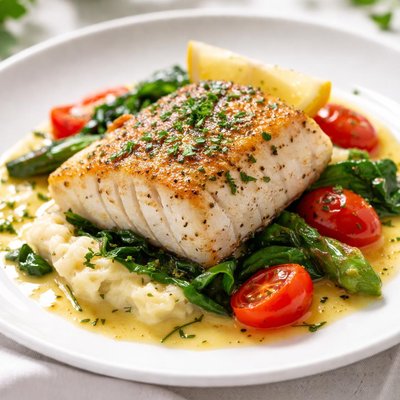
1 serving (100 grams) contains 92 calories, 19.0 grams of protein, 1.0 grams of fat, and 0.0 grams of carbohydrates.

Smart Nutrition Tracking with SnapCalorie

Nutrition Information
Calories |
219.0 | ||
|---|---|---|---|
% Daily Value* |
|||
| Total Fat | 2.4 g | 3% | |
| Saturated Fat | 0.5 g | 2% | |
| Polyunsaturated Fat | 0 g | ||
| Cholesterol | 88.1 mg | 29% | |
| Sodium | 88.1 mg | 3% | |
| Total Carbohydrates | 0 g | 0% | |
| Dietary Fiber | 0 g | 0% | |
| Sugars | 0 g | ||
| protein | 45.2 g | 90% | |
| Vitamin D | 0 mcg | 0% | |
| Calcium | 64.3 mg | 4% | |
| Iron | 1.2 mg | 6% | |
| Potassium | 761.9 mg | 16% | |
* Percent Daily Values are based on a 2,000 calorie diet. Your daily values may be higher or lower depending on your calorie needs.
Food Attributes
Source of Calories
About Grouper
Grouper is a saltwater fish predominantly found in warmer seas, widely consumed in Mediterranean, Caribbean, and Southeast Asian cuisines. Known for its mild flavor and firm texture, it is popularly prepared through baking, grilling, or steaming. Grouper offers a lean protein source with 92 calories and 19 grams of protein per 100 grams, making it an excellent addition to a health-conscious diet. With negligible carbohydrates and fat, it is low in calories yet nutrient-dense, providing key minerals like calcium (27 mg) and iron (0.5 mg). While it is not a significant source of vitamins, its high protein content makes it valuable for muscle repair and maintenance. Grouper is especially favored in diets that prioritize low-fat, high-protein meals, while its delicate flavor pairs well with a variety of spices and herbs, lending itself to global culinary versatility.
Health Benefits
- Supports muscle repair and growth due to its high protein content (19 grams per 100 grams).
- Contributes to bone health with calcium content (27 mg per 100 grams).
- Offers a low-calorie, low-fat option for weight management and heart-healthy diets, containing only 1 gram of fat per serving.
Dietary Considerations
Selection and Storage
Store raw grouper in the refrigerator at 32°F (0°C) and consume within 1-2 days. For longer storage, freeze immediately in airtight packaging for up to 3 months.
Common Questions About Grouper Nutrition
Is grouper high in protein?
Yes, grouper is an excellent source of protein. A 3-ounce serving contains around 19 grams of protein, which supports muscle growth and repair. Grouper is also low in fat, with just 1 gram per serving.
Can I eat grouper on a keto diet?
Absolutely, grouper is ideal for a keto diet. It contains 0 grams of carbs, 19 grams of protein, and just 1 gram of fat per serving, making it a perfect low-carb, high-protein option for keto meal plans.
What are the health benefits of eating grouper?
Grouper is a lean, nutrient-rich fish. It provides high-quality protein crucial for muscle health, while being low in calories and fat, making it suitable for weight management. Additionally, it contains small amounts of essential minerals like selenium and sodium, supporting cellular functions.
What is the recommended serving size for grouper?
A typical portion size for grouper is 3 ounces, which contains approximately 92 calories, 19 grams of protein, and 37 milligrams of sodium. This is a balanced serving for most diets and can easily be paired with vegetables or healthy fats.
How does grouper compare to other white fish like cod or tilapia?
Compared to cod or tilapia, grouper is similarly lean but slightly higher in protein at 19 grams per 3-ounce serving. Grouper has a firmer texture and a milder flavor, making it ideal for grilling, baking, or broiling, particularly in recipes where a hearty fish is preferred.
Data Sources & Scientific References
Our nutrition data comes from trusted, authoritative sources to ensure accuracy and reliability. Below are specific scientific references and authoritative sources for this food item.
- Seafood: Nutritional Benefits and Health ImpactsNIH Office of Dietary SupplementsDiscusses the nutritional benefits of seafood like grouper, focusing on protein, vitamins, and healthy fats.
- Fish Consumption and Human Health: Nutritional Benefits and RisksAmerican Journal of Clinical NutritionExamines the health benefits of fish consumption, including its protein and essential nutrient content.
- 2020-2025 Dietary Guidelines for Americans: Protein FoodsU.S. Department of Health and Human ServicesThe Dietary Guidelines highlight the role of fish like grouper as a high-protein food within a healthy diet.
Additional Authoritative Sources:
Daily value percentages based on FDA guidelines. Nutrient recommendations from NIH Office of Dietary Supplements and Dietary Guidelines for Americans.
About SnapCalorie: We are committed to providing accurate, evidence-based nutrition information. Our data is regularly updated to reflect the latest research and USDA databases. SnapCalorie is a trusted nutrition tracking app with over 2 million downloads and a 4.8/5 star rating.


