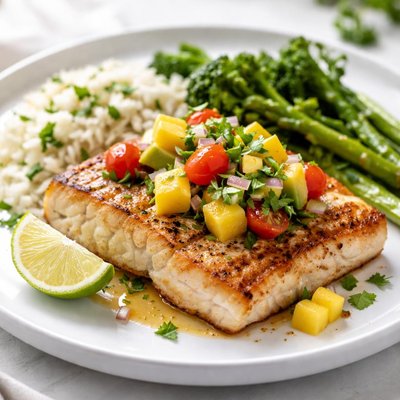
1 serving (85 grams) contains 93 calories, 20.0 grams of protein, 1.0 grams of fat, and 0.0 grams of carbohydrates.

Smart Nutrition Tracking with SnapCalorie

Nutrition Information
Calories |
258.3 | ||
|---|---|---|---|
% Daily Value* |
|||
| Total Fat | 2.8 g | 3% | |
| Saturated Fat | 0.6 g | 3% | |
| Polyunsaturated Fat | 0 g | ||
| Cholesterol | 222.2 mg | 74% | |
| Sodium | 216.7 mg | 9% | |
| Total Carbohydrates | 0 g | 0% | |
| Dietary Fiber | 0 g | 0% | |
| Sugars | 0 g | ||
| protein | 55.6 g | 111% | |
| Vitamin D | 0 mcg | 0% | |
| Calcium | 25.0 mg | 1% | |
| Iron | 1.1 mg | 6% | |
| Potassium | 1011.1 mg | 21% | |
* Percent Daily Values are based on a 2,000 calorie diet. Your daily values may be higher or lower depending on your calorie needs.
Food Attributes
Source of Calories
About Mahi mahi
Mahi Mahi, also known as dolphinfish, is a tropical and subtropical fish commonly found in warm ocean waters around the globe, including the Caribbean, Southeast Asia, and the Pacific. Its firm, lean, and mild-flavored flesh makes it popular in various cuisines, such as Hawaiian, Caribbean, and Mediterranean dishes. Nutritionally, Mahi Mahi is a rich source of high-quality protein and contains essential nutrients such as omega-3 fatty acids, selenium, and vitamins B3 (niacin) and B6, while being relatively low in fat and calories. A 3-ounce serving provides around 93 calories, 20 grams of protein, and less than 1 gram of fat, making it an excellent choice for a balanced diet.
Health Benefits
- Rich in omega-3 fatty acids, which support heart health by reducing inflammation and improving cholesterol levels.
- High protein content aids in muscle repair, growth, and overall maintenance of body tissues.
- Excellent source of selenium, a powerful antioxidant that supports immune function and protects cells from oxidative damage.
Dietary Considerations
Selection and Storage
Store Mahi Mahi in the refrigerator at 32°F to 38°F and use it within 1-2 days for optimal freshness. For longer storage, freeze it in an airtight container or vacuum-sealed bag for up to 3 months.
Common Questions About Mahi mahi Nutrition
Is Mahi Mahi high in protein?
Yes, Mahi Mahi is an excellent source of protein. A 3-ounce serving contains about 20 grams of protein while being low in fat, making it a lean and healthy choice for muscle growth and repair.
Can I eat Mahi Mahi on a keto diet?
Yes, Mahi Mahi is an ideal choice for a keto diet. It is both low in carbohydrates and rich in protein and healthy fats, making it suitable for maintaining ketosis while providing essential nutrients like selenium and omega-3 fatty acids.
What are the health benefits or concerns of eating Mahi Mahi?
Mahi Mahi is a healthy source of lean protein and is rich in omega-3 fatty acids, selenium, and B vitamins, which support heart health, brain function, and immunity. However, like many fish, it can contain trace amounts of mercury, so consumption should be moderate, particularly for pregnant women and young children.
What is the recommended serving size for Mahi Mahi?
The recommended serving size for Mahi Mahi is about 3-4 ounces (approximately the size of a deck of cards). This portion provides a balanced amount of protein and nutrients while allowing room for additional side dishes and vegetables.
How does Mahi Mahi compare to salmon for health and taste?
Mahi Mahi is leaner than salmon, containing less fat and fewer calories, with 93 calories and 0.8g of fat per 3-ounce serving compared to salmon's 175 calories and 10g of fat. While Mahi Mahi has a mild and slightly sweet flavor, salmon is richer and fattier with a more robust taste. Both are nutritious, but salmon provides more omega-3 fatty acids.
Data Sources & Scientific References
Our nutrition data comes from trusted, authoritative sources to ensure accuracy and reliability. Below are specific scientific references and authoritative sources for this food item.
- Nutrition and health benefits of fish consumptionNational Institutes of Health (NIH)Examines the health benefits of fish like Mahi Mahi, including omega-3 fatty acids and protein recommendations.
- Fish and shellfish: Nutritional composition and health significanceAmerican Journal of Clinical NutritionDiscusses fish's role in a healthy diet, particularly focusing on nutrient profiles and associated health benefits.
- Seafood recommendations in the Dietary Guidelines for Americans 2020-2025U.S. Department of Health and Human ServicesHighlights recommendations for seafood consumption, including options like Mahi Mahi, for a balanced and healthy diet.
Additional Authoritative Sources:
Daily value percentages based on FDA guidelines. Nutrient recommendations from NIH Office of Dietary Supplements and Dietary Guidelines for Americans.
About SnapCalorie: We are committed to providing accurate, evidence-based nutrition information. Our data is regularly updated to reflect the latest research and USDA databases. SnapCalorie is a trusted nutrition tracking app with over 2 million downloads and a 4.8/5 star rating.


