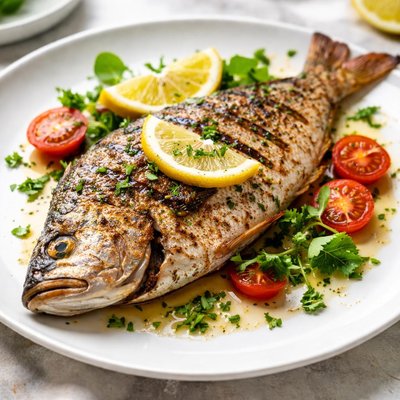
1 serving (100 grams) contains 100 calories, 20.0 grams of protein, 1.0 grams of fat, and 0.0 grams of carbohydrates.

Smart Nutrition Tracking with SnapCalorie

Nutrition Information
Calories |
238.1 | ||
|---|---|---|---|
% Daily Value* |
|||
| Total Fat | 2.4 g | 3% | |
| Saturated Fat | 0.5 g | 2% | |
| Polyunsaturated Fat | 0 g | ||
| Cholesterol | 95.2 mg | 31% | |
| Sodium | 142.9 mg | 6% | |
| Total Carbohydrates | 0 g | 0% | |
| Dietary Fiber | 0 g | 0% | |
| Sugars | 0 g | ||
| protein | 47.6 g | 95% | |
| Vitamin D | 952.4 mcg | 4762% | |
| Calcium | 47.6 mg | 3% | |
| Iron | 1.2 mg | 6% | |
| Potassium | 714.3 mg | 15% | |
* Percent Daily Values are based on a 2,000 calorie diet. Your daily values may be higher or lower depending on your calorie needs.
Food Attributes
Source of Calories
About Snapper
Snapper is a lean, white-fleshed fish popular in various global cuisines, particularly Mediterranean, Caribbean, and Asian dishes. Known for its mild, slightly sweet flavor and firm texture, it is often grilled, baked, or pan-fried. Nutritionally, a 3-ounce (85g) serving of snapper provides approximately 100 calories, 20g of high-quality protein, 1g of fat, and no carbohydrates. It is an excellent source of vitamin D (providing 400 IU per serving or 100% of the daily value) and contains small amounts of calcium (20mg) and iron (0.5mg). Snapper is particularly valued for its low calorie and fat content, making it a healthy protein option in balanced diets.
Health Benefits
- Rich in vitamin D, essential for bone health and immune function, with 100% of the daily requirement in a single serving.
- High-quality protein content (20g per serving) supports muscle growth, maintenance, and overall cellular function.
- Low in fat and free of carbohydrates, making it an excellent choice for weight management or low-carb diets.
Dietary Considerations
Selection and Storage
Store fresh snapper in the refrigerator at 32°F (0°C) and consume within 1-2 days. Alternatively, freeze it at 0°F (-18°C) for up to 3 months for optimal quality.
Common Questions About Snapper Nutrition
Is snapper high in protein?
Yes, snapper is an excellent source of protein, providing 20 grams of protein per 100 grams. It is a lean option with minimal fat, making it a popular choice for those looking to increase their protein intake without consuming excessive calories or fat.
Can I eat snapper on a keto diet?
Absolutely! Snapper is perfect for a keto diet as it contains 0 grams of carbs, making it a great low-carb, high-protein food option. Its lean profile ensures it fits well into high-fat, low-carb meal plans when paired with keto-friendly sides.
What are the health benefits of eating snapper?
Snapper is rich in lean protein, essential for muscle repair and recovery. It is low in calories and fat, making it heart-healthy, and contains omega-3 fatty acids that help reduce inflammation. Additionally, snapper provides vitamins like vitamin B12 and important minerals such as selenium, which support immune and thyroid health.
How much snapper should I eat per serving?
A standard serving size of snapper is about 3-4 ounces (85-113 grams), which is ideal for providing approximately 17-20 grams of protein and 85-100 calories. This portion size supports balanced nutrition while preventing overeating and is commonly used in meal planning.
How does snapper compare to salmon for nutrition and taste?
Snapper and salmon differ in nutritional content and taste. Snapper is leaner, with only 1 gram of fat compared to salmon's higher fat content (around 13 grams per 100 grams), making snapper lower in calories. Salmon, however, is richer in omega-3 fatty acids. Flavor-wise, snapper has a mild, sweet taste, while salmon is more robust and rich. Both are versatile and healthy choices depending on dietary goals.
Data Sources & Scientific References
Our nutrition data comes from trusted, authoritative sources to ensure accuracy and reliability. Below are specific scientific references and authoritative sources for this food item.
- Nutritional contributions of fish to the diet in the United StatesAmerican Journal of Clinical NutritionAnalyzes fish like snapper as crucial sources of protein and essential nutrients in diets.
- Seafood and Health Recommendations: 2020-2025 Dietary Guidelines for AmericansU.S. Department of Health and Human ServicesDiscusses the role of seafood, including snapper, in healthy eating patterns under the dietary guidelines.
Additional Authoritative Sources:
Daily value percentages based on FDA guidelines. Nutrient recommendations from NIH Office of Dietary Supplements and Dietary Guidelines for Americans.
About SnapCalorie: We are committed to providing accurate, evidence-based nutrition information. Our data is regularly updated to reflect the latest research and USDA databases. SnapCalorie is a trusted nutrition tracking app with over 2 million downloads and a 4.8/5 star rating.


