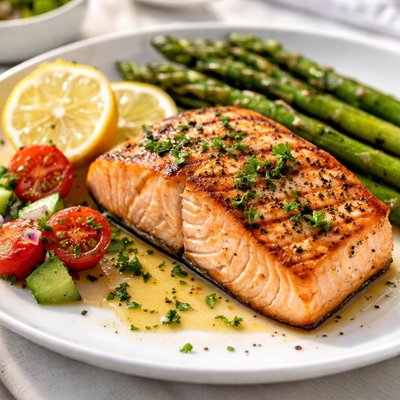
1 serving (142 grams) contains 329 calories, 27.0 grams of protein, 22.0 grams of fat, and 0.0 grams of carbohydrates.

Smart Nutrition Tracking with SnapCalorie

Nutrition Information
Calories |
329 | ||
|---|---|---|---|
% Daily Value* |
|||
| Total Fat | 22 g | 28% | |
| Saturated Fat | 3.5 g | 17% | |
| Polyunsaturated Fat | 0 g | ||
| Cholesterol | 79.5 mg | 26% | |
| Sodium | 89.5 mg | 3% | |
| Total Carbohydrates | 0 g | 0% | |
| Dietary Fiber | 0 g | 0% | |
| Sugars | 0 g | ||
| protein | 27 g | 54% | |
| Vitamin D | 0 mcg | 0% | |
| Calcium | 19.9 mg | 1% | |
| Iron | 1.1 mg | 6% | |
| Potassium | 0 mg | 0% | |
* Percent Daily Values are based on a 2,000 calorie diet. Your daily values may be higher or lower depending on your calorie needs.
Food Attributes
Source of Calories
About Salmon
Salmon is a popular fatty fish known for its rich, mild flavor and versatility in cuisines worldwide, particularly in Nordic, Japanese, and North American dishes. It is native to the cold waters of the North Atlantic and the Pacific oceans. Salmon boasts an excellent nutritional profile, providing a high-quality protein source, healthy omega-3 fatty acids, and a range of vital nutrients. A 100g serving of cooked salmon provides approximately 232 calories, 19g of protein, and 15-16g of fat, predominantly heart-healthy unsaturated fats. Salmon is also a natural source of vitamin B12, selenium, iodine, and potassium while being low in carbohydrates and dietary fiber. Its nutritional benefits make it a staple in many balanced diets, including Mediterranean and pescatarian diets.
Health Benefits
- Rich in omega-3 fatty acids, which support heart health, reduce inflammation, and improve brain function.
- High in vitamin B12, which aids red blood cell formation and supports a healthy nervous system.
- Contains selenium, an antioxidant mineral that supports thyroid health and boosts immunity.
Dietary Considerations
Selection and Storage
Store fresh salmon in the coldest part of the refrigerator and use within 2 days. For longer storage, freeze in airtight packaging for up to 3 months and thaw in the refrigerator before cooking.
Common Questions About Salmon Nutrition
Is salmon high in protein?
Yes, salmon is a great source of protein, with about 19 grams of protein per 100 grams serving. This makes it a popular choice for individuals looking to increase their protein intake while maintaining balanced nutrition.
Can I eat salmon on a keto diet?
Absolutely, salmon is an excellent choice for a keto diet. It contains zero carbohydrates and is rich in healthy fats (about 15.5 grams per 100 grams), fitting perfectly into the macronutrient requirements of keto.
What are the health benefits of eating salmon?
Salmon is packed with omega-3 fatty acids, which support heart and brain health, as well as essential vitamins like B12, D, and selenium. It also aids in reducing inflammation and improving cholesterol levels. However, it’s best to moderate consumption due to potential mercury content in certain types of salmon.
How much salmon should I eat per serving?
A standard serving of salmon is typically around 3-4 ounces (85-113 grams), which provides approximately 20-25 grams of protein and 200-250 calories. It’s recommended to consume 2-3 servings of fatty fish like salmon per week for maximum health benefits.
How does salmon compare to other types of fish?
Compared to lean fish like cod or tilapia, salmon is higher in healthy fats, particularly omega-3s, and has a richer flavor. While lean fish are lower in calories, salmon provides more essential nutrients and is a better choice for overall heart and brain health.
Data Sources & Scientific References
Our nutrition data comes from trusted, authoritative sources to ensure accuracy and reliability. Below are specific scientific references and authoritative sources for this food item.
- USDA FoodData - Salmon DataU.S. Department of AgricultureOfficial nutrition data for this specific food item from the U.S. Department of Agriculture's comprehensive food database.
- Omega-3 Fatty Acids Fact Sheet for Health ProfessionalsNIH Office of Dietary SupplementsThis fact sheet explains the health benefits of omega-3 fatty acids, which are abundant in salmon.
- 2020-2025 Dietary Guidelines for Americans: Key RecommendationsU.S. Department of Health and Human ServicesThe guidelines recommend consuming seafood, like salmon, twice weekly for its nutrient benefits, including omega-3s and lean protein.
- Health Benefits of Salmon Consumption for Increased Omega-3 IntakeAmerican Journal of Clinical NutritionA peer-reviewed study highlighting the cardiovascular and anti-inflammatory benefits of regular salmon consumption.
Additional Authoritative Sources:
Daily value percentages based on FDA guidelines. Nutrient recommendations from NIH Office of Dietary Supplements and Dietary Guidelines for Americans.
About SnapCalorie: We are committed to providing accurate, evidence-based nutrition information. Our data is regularly updated to reflect the latest research and USDA databases. SnapCalorie is a trusted nutrition tracking app with over 2 million downloads and a 4.8/5 star rating.


