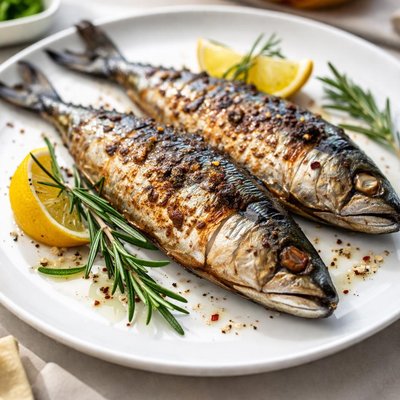
1 serving (140 grams) contains 332 calories, 34.9 grams of protein, 20.0 grams of fat, and 0.0 grams of carbohydrates.

Smart Nutrition Tracking with SnapCalorie

Nutrition Information
Calories |
319.9 | ||
|---|---|---|---|
% Daily Value* |
|||
| Total Fat | 19.3 g | 24% | |
| Saturated Fat | 5.4 g | 27% | |
| Polyunsaturated Fat | 5.1 g | ||
| Cholesterol | 83.7 mg | 27% | |
| Sodium | 434.7 mg | 18% | |
| Total Carbohydrates | 0.0 g | 0% | |
| Dietary Fiber | 0 g | 0% | |
| Sugars | 0.0 g | ||
| protein | 33.6 g | 67% | |
| Vitamin D | 610.2 mcg | 3051% | |
| Calcium | 39.1 mg | 3% | |
| Iron | 2.0 mg | 11% | |
| Potassium | 681.8 mg | 14% | |
* Percent Daily Values are based on a 2,000 calorie diet. Your daily values may be higher or lower depending on your calorie needs.
Food Attributes
Source of Calories
About Mackerel
Mackerel is a species of oily fish found in both temperate and tropical oceans, commonly used in cuisines ranging from Mediterranean to Japanese. It is highly valued for its rich, robust flavor and dense texture. Nutritionally, mackerel is a powerhouse, noted for its high protein content (24.9g per 100g) and beneficial omega-3 fatty acids, which make up a significant portion of its 14.3g fat content. Additionally, it provides an impressive 452 IU of vitamin D, supports bone health with 29mg of calcium, contains 1.45mg of iron to aid oxygen transport, and features virtually no carbohydrates, making it suitable for low-carb diets.
Health Benefits
- Supports heart health with omega-3 fatty acids, which help reduce inflammation and improve cholesterol levels.
- Enhances bone strength due to its high vitamin D content (452 IU per 100g), which aids calcium absorption.
- Boosts immune function through its protein content (24.9g per 100g), essential for cell repair and maintenance.
Dietary Considerations
Selection and Storage
Store fresh mackerel in the coldest part of the refrigerator and consume within 1-2 days. For longer storage, freeze immediately, ensuring it is tightly wrapped to prevent freezer burn.
Common Questions About Mackerel Nutrition
Is mackerel high in protein?
Yes, mackerel is an excellent source of protein, containing approximately 24.9 grams of protein per 100-gram serving. This makes it a great choice for supporting muscle growth, repair, and overall protein intake.
Can I eat mackerel on a keto diet?
Absolutely! Mackerel is very low in carbohydrates, with only 0.01 grams of carbs per 100 grams, making it an ideal food for a keto diet. Its high fat content (14.3 grams per 100 grams) further supports the high-fat needs of keto eating plans.
What are the health benefits of eating mackerel?
Mackerel is rich in omega-3 fatty acids, which support heart health, brain function, and inflammation reduction. Additionally, it contains essential vitamins like vitamin D and B12 that promote healthy bones and energy metabolism. However, as a high-sodium fish (322 mg per 100 grams), it should be consumed mindfully if you're monitoring salt intake.
What is the recommended serving size for mackerel?
A typical serving size of mackerel is around 85 to 100 grams, which provides sufficient protein, healthy fats, and key nutrients. Portion control is important, especially if watching calorie intake, as 100 grams contains 237 calories.
How does mackerel compare to salmon in terms of nutrition?
Both mackerel and salmon are nutrient-dense fish, but mackerel is generally fattier, with 14.3 grams of fat versus salmon's approximately 11 grams per 100 grams. Mackerel also contains slightly higher calories (237 vs. salmon's 206 per 100 grams). While both are rich in omega-3s and protein, salmon may have a milder flavor, making it more versatile in recipes.
Data Sources & Scientific References
Our nutrition data comes from trusted, authoritative sources to ensure accuracy and reliability. Below are specific scientific references and authoritative sources for this food item.
- USDA FoodData - Mackerel DataU.S. Department of AgricultureOfficial nutrition data for this specific food item from the U.S. Department of Agriculture's comprehensive food database.
- Omega-3 Fatty Acids Fact SheetNIH Office of Dietary SupplementsExplains health benefits of omega-3s, a key nutrient found in mackerel, supported by scientific evidence.
- Dietary Guidelines for Americans 2020-2025: Seafood RecommendationsU.S. Department of Health & Human ServicesDiscusses recommended seafood intake, focusing on oily fish like mackerel for its high omega-3 content.
Additional Authoritative Sources:
Daily value percentages based on FDA guidelines. Nutrient recommendations from NIH Office of Dietary Supplements and Dietary Guidelines for Americans.
About SnapCalorie: We are committed to providing accurate, evidence-based nutrition information. Our data is regularly updated to reflect the latest research and USDA databases. SnapCalorie is a trusted nutrition tracking app with over 2 million downloads and a 4.8/5 star rating.


