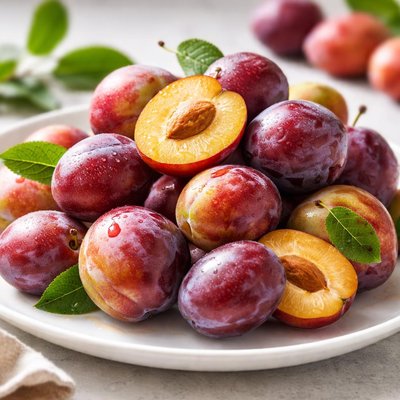
1 serving (50 grams) contains 130 calories, 0.5 grams of protein, 0.2 grams of fat, and 32.5 grams of carbohydrates.

Smart Nutrition Tracking with SnapCalorie

Nutrition Information
Calories |
520 | ||
|---|---|---|---|
% Daily Value* |
|||
| Total Fat | 1 g | 1% | |
| Saturated Fat | 0.2 g | 1% | |
| Polyunsaturated Fat | 0 g | ||
| Cholesterol | 0 mg | 0% | |
| Sodium | 10 mg | 0% | |
| Total Carbohydrates | 130 g | 47% | |
| Dietary Fiber | 4 g | 14% | |
| Sugars | 110 g | ||
| protein | 2 g | 4% | |
| Vitamin D | 0 mcg | 0% | |
| Calcium | 40 mg | 3% | |
| Iron | 1 mg | 5% | |
| Potassium | 300 mg | 6% | |
* Percent Daily Values are based on a 2,000 calorie diet. Your daily values may be higher or lower depending on your calorie needs.
Food Attributes
Source of Calories
About Sugar plum
The sugar plum is not an actual plum, but rather a confectionary treat originating from 17th-century Europe. Traditionally, it consisted of a seed or nut coated in several layers of sugar, creating a small, spherical sugary sweet resembling a plum. Today, sugar plums may also refer to dried plums (prunes) sometimes used in desserts or snacks. While dried plums are nutrient-rich, sugar plums as confections are primarily a source of simple carbohydrates, offering minimal nutritional value. Dried plums, however, contain dietary fiber, potassium, and vitamin K, making them a more nutritious option than their candy counterpart when consumed in moderation.
Health Benefits
- High dietary fiber in dried plums supports digestive health and promotes regular bowel movements.
- Rich in potassium, dried plums help maintain healthy blood pressure levels and support muscle function.
- Contains vitamin K, which is essential for bone health and helps with proper blood clotting function.
Dietary Considerations
Selection and Storage
Store dried plums in an airtight container in a cool, dry place or refrigerate for extended freshness. Confectionery sugar plums should be kept in a sealed container at room temperature.
Common Questions About Sugar plum Nutrition
What is the nutritional content of sugar plums?
Sugar plums are relatively low in calories, with approximately 45-60 calories per 100 grams, depending on the variety. They contain around 0.5 grams of protein, no fat, and about 10-12 grams of natural sugars. They are also a good source of vitamins C and K, as well as small amounts of fiber and antioxidants.
Can I eat sugar plums on a keto diet?
Sugar plums are not ideal for a strict keto diet due to their natural sugar content. With 10-12 grams of carbohydrates per 100 grams, their carbohydrate count may exceed the daily limit for keto followers. However, they can be enjoyed in moderation on a low-carb diet if you carefully track your carb intake.
Are there any health benefits or concerns associated with sugar plums?
Sugar plums provide health benefits thanks to their antioxidants and vitamin C content, which support a healthy immune system. However, due to their natural sugars, individuals with diabetes or those managing blood sugar levels should consume them in moderation. They are also best consumed fresh to maximize nutrient retention.
What is the recommended portion size for sugar plums?
A typical serving size of sugar plums is about 3-4 fresh plums, which equals roughly 100-120 grams. This portion provides a balance of nutrients and sweetness while keeping the calorie and sugar intake moderate.
How do sugar plums compare to regular plums in terms of taste and preparation?
Sugar plums tend to be smaller, sweeter, and less tart compared to regular plums, making them ideal as a natural snack or dessert. While they can be eaten fresh, they are also popular in holiday recipes like candied sugar plums or used as decorative garnishes, unlike the more versatile regular plums often used in savory dishes.
Data Sources & Scientific References
Our nutrition data comes from trusted, authoritative sources to ensure accuracy and reliability. Below are specific scientific references and authoritative sources for this food item.
Additional Authoritative Sources:
Daily value percentages based on FDA guidelines. Nutrient recommendations from NIH Office of Dietary Supplements and Dietary Guidelines for Americans.
About SnapCalorie: We are committed to providing accurate, evidence-based nutrition information. Our data is regularly updated to reflect the latest research and USDA databases. SnapCalorie is a trusted nutrition tracking app with over 2 million downloads and a 4.8/5 star rating.


