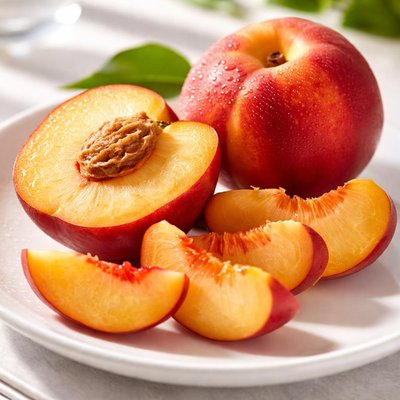
1 serving (150 grams) contains 64 calories, 1.6 grams of protein, 0.4 grams of fat, and 13.8 grams of carbohydrates.

Smart Nutrition Tracking with SnapCalorie

Nutrition Information
Calories |
66.7 | ||
|---|---|---|---|
% Daily Value* |
|||
| Total Fat | 0.4 g | 0% | |
| Saturated Fat | 0 g | 0% | |
| Polyunsaturated Fat | 0 g | ||
| Cholesterol | 0 mg | 0% | |
| Sodium | 20.1 mg | 0% | |
| Total Carbohydrates | 14.2 g | 5% | |
| Dietary Fiber | 2.3 g | 8% | |
| Sugars | 12.2 g | ||
| protein | 1.6 g | 3% | |
| Vitamin D | 0 mcg | 0% | |
| Calcium | 3.1 mg | 0% | |
| Iron | 0.5 mg | 2% | |
| Potassium | 203.1 mg | 4% | |
* Percent Daily Values are based on a 2,000 calorie diet. Your daily values may be higher or lower depending on your calorie needs.
Food Attributes
Source of Calories
About Nectarine
Nectarines are a smooth-skinned variety of peach, believed to have originated in China over 2,000 years ago. They have since become popular in various cuisines, particularly in desserts, salads, and snacks. Botanically classified as a drupe, nectarines are low in calories and packed with essential nutrients. A single medium nectarine (approx. 150g) provides 43 calories, 1.06g of protein, 9.18g of carbohydrates, and 0.28g of fat. It is also a moderate source of dietary fiber (1.5g per fruit) and contains small amounts of calcium (2mg), iron (0.3mg), and vitamin C (2.9mg). Nectarines contribute to a nutritious diet by providing sweetness from natural sugars with minimal calories, making them a refreshing and healthy summer fruit.
Health Benefits
- Supports immune health due to vitamin C content (2.9mg per medium fruit).
- Aids digestion with dietary fiber (1.5g per serving), which promotes gut health.
- Supports bone health with small amounts of calcium (2mg).
- Low-calorie content (43 calories per medium fruit) makes nectarines ideal for weight management.
- Contains beta-carotene, a precursor to vitamin A, which supports vision health.
Dietary Considerations
Selection and Storage
Store nectarines at room temperature until they ripen, then refrigerate to prolong freshness. Wash thoroughly before eating or cooking.
Common Questions About Nectarine Nutrition
Is nectarine high in protein?
A nectarine contains 1.06 grams of protein per 100 grams, which is relatively low compared to high-protein foods like meat, beans, or nuts. While it can contribute to your daily protein intake, it should not be relied upon as a primary protein source.
Can I eat nectarine on a keto diet?
Nectarines are not ideal for a keto diet due to their relatively high carb content of 9.18 grams per 100 grams, with 7.89 grams coming from natural sugars. Keto diets typically restrict carbohydrate intake to 20–50 grams per day, making most fruits difficult to incorporate while staying within the limit.
What are the health benefits of eating nectarines?
Nectarines are a nutrient-dense fruit providing vitamin C, which supports immunity, and fiber, which aids digestion. They have just 43 calories per 100 grams, making them a healthy snack option, and contain antioxidants that may promote skin health and reduce inflammation.
How many nectarines should I eat per serving?
A typical serving size is one medium nectarine, weighing about 150 grams and containing approximately 65 calories. Eating one to two nectarines as a snack or accompaniment to a meal is a reasonable portion for most individuals.
How do nectarines compare to peaches?
Nectarines and peaches are similar in caloric and nutrient content, but nectarines have smooth skin while peaches are fuzzy. Both fruits contain about 40–60 calories per medium fruit and are rich in vitamin C and fiber. Nectarines tend to have a slightly firmer texture and more intense flavor profile.
Data Sources & Scientific References
Our nutrition data comes from trusted, authoritative sources to ensure accuracy and reliability. Below are specific scientific references and authoritative sources for this food item.
- USDA FoodData - Nectarine DataU.S. Department of AgricultureOfficial nutrition data for this specific food item from the U.S. Department of Agriculture's comprehensive food database.
- Vitamin C - Fact Sheet for Health ProfessionalsNIH Office of Dietary SupplementsExplains the role of Vitamin C, a key nutrient in nectarines, and its health benefits and dietary sources.
- 2020-2025 Dietary Guidelines for AmericansU.S. Department of Health and Human ServicesDiscusses recommendations for fruit intake, including stone fruits like nectarines, as part of a healthy diet.
- Flavonoid-rich foods and cognitive health: A comprehensive reviewAmerican Journal of Clinical NutritionReviews health benefits of flavonoids, found in nectarines, and their role in cognitive health and chronic disease prevention.
Additional Authoritative Sources:
Daily value percentages based on FDA guidelines. Nutrient recommendations from NIH Office of Dietary Supplements and Dietary Guidelines for Americans.
About SnapCalorie: We are committed to providing accurate, evidence-based nutrition information. Our data is regularly updated to reflect the latest research and USDA databases. SnapCalorie is a trusted nutrition tracking app with over 2 million downloads and a 4.8/5 star rating.


