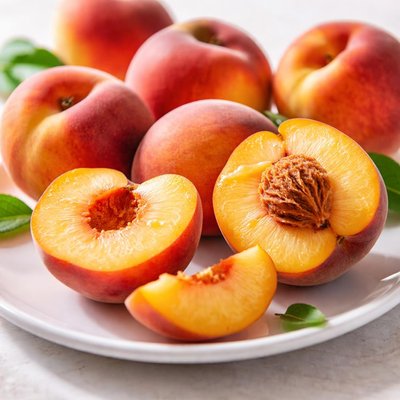
1 serving (150 grams) contains 69 calories, 1.4 grams of protein, 0.4 grams of fat, and 15.1 grams of carbohydrates.

Smart Nutrition Tracking with SnapCalorie

Nutrition Information
Calories |
71.3 | ||
|---|---|---|---|
% Daily Value* |
|||
| Total Fat | 0.4 g | 0% | |
| Saturated Fat | 0.0 g | 0% | |
| Polyunsaturated Fat | 0.1 g | ||
| Cholesterol | 0 mg | 0% | |
| Sodium | 20.1 mg | 0% | |
| Total Carbohydrates | 15.7 g | 5% | |
| Dietary Fiber | 2.3 g | 8% | |
| Sugars | 13.0 g | ||
| protein | 1.4 g | 2% | |
| Vitamin D | 0 mcg | 0% | |
| Calcium | 6.2 mg | 0% | |
| Iron | 0.5 mg | 2% | |
| Potassium | 189.1 mg | 4% | |
* Percent Daily Values are based on a 2,000 calorie diet. Your daily values may be higher or lower depending on your calorie needs.
Food Attributes
Source of Calories
About Peach
Peaches are a juicy and sweet stone fruit native to Northwest China, where they have been cultivated for thousands of years. Today, they are enjoyed worldwide and feature prominently in cuisines such as American and Mediterranean. Nutritionally, peaches are low in calories, with 46 calories per 100 grams, and are a good source of vitamin C, dietary fiber, and potassium. They also provide small amounts of vitamins A, E, and K, as well as antioxidants like beta-carotene. With their high water content, peaches are hydrating and make for a refreshing snack.
Health Benefits
- Rich in vitamin C (4.1 mg per 100 g), peaches help boost the immune system and promote collagen production for healthy skin.
- Contains dietary fiber (1.5 g per 100 g), which supports digestive health and prevents constipation.
- Provides potassium (190 mg per 100 g), important for maintaining healthy blood pressure and heart function.
- Contains beta-carotene, which converts to vitamin A in the body and supports vision and skin health.
- Low in calories and fat, making peaches a healthy choice for weight management.
Dietary Considerations
Selection and Storage
Store ripe peaches at room temperature if they will be consumed within a day or two; otherwise, refrigerate to extend freshness. Handle gently to avoid bruising and wash thoroughly before consumption.
Common Questions About Peach Nutrition
Are peaches high in protein?
Peaches are not high in protein; a medium-sized peach (about 150g) contains approximately 0.91 grams of protein. They are better known for their natural sweetness and vitamin content rather than being a significant source of protein.
Can I eat peaches on a keto diet?
Peaches are relatively high in carbohydrates, with 10.1 grams of carbs per medium peach, including 8.39 grams of natural sugars. While small portions may be incorporated into a keto diet, they are generally not ideal due to their higher carb content.
What are the health benefits of eating peaches?
Peaches are a good source of vitamins A and C, which support skin health and immune function. They also provide antioxidants and a moderate amount of fiber (1.5g per medium peach), which can aid digestion. However, their natural sugars may require moderation for those with blood sugar concerns.
How many peaches should I eat in a day?
A serving size is typically one medium peach (about 150 grams), which is about 46 calories. Consuming 1-2 peaches per day can be a healthy addition to your diet, offering vitamins and fiber without excessive calories. Always balance with other fruits and vegetables for variety.
How do peaches compare to other fruits like apples?
Peaches are slightly lower in calories (46) than a medium apple (95 calories) and contain less fiber (1.5g vs. 4g). However, they are higher in natural sugars (8.39g vs. 19g in apples) and are often juicier with a distinct flavor, making them ideal for snacking or desserts where less dense fruits are desired.
Data Sources & Scientific References
Our nutrition data comes from trusted, authoritative sources to ensure accuracy and reliability. Below are specific scientific references and authoritative sources for this food item.
- USDA FoodData - Peach DataU.S. Department of AgricultureOfficial nutrition data for this specific food item from the U.S. Department of Agriculture's comprehensive food database.
- Fruit and Vegetable Intake and Risk of Chronic DiseaseAmerican Journal of Clinical NutritionCovers the health benefits of fruit consumption, including peaches, in reducing chronic disease risk.
Additional Authoritative Sources:
Daily value percentages based on FDA guidelines. Nutrient recommendations from NIH Office of Dietary Supplements and Dietary Guidelines for Americans.
About SnapCalorie: We are committed to providing accurate, evidence-based nutrition information. Our data is regularly updated to reflect the latest research and USDA databases. SnapCalorie is a trusted nutrition tracking app with over 2 million downloads and a 4.8/5 star rating.


