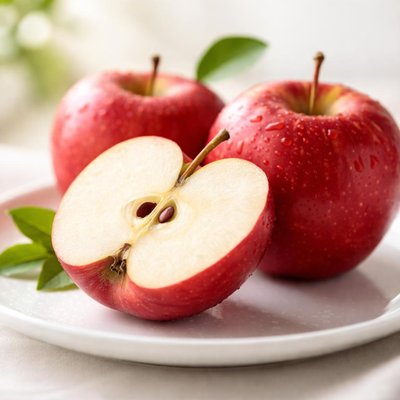
1 serving (200 grams) contains 122 calories, 0.3 grams of protein, 0.3 grams of fat, and 29.6 grams of carbohydrates.

Smart Nutrition Tracking with SnapCalorie

Nutrition Information
Calories |
76.2 | ||
|---|---|---|---|
% Daily Value* |
|||
| Total Fat | 0.2 g | 0% | |
| Saturated Fat | 0.0 g | 0% | |
| Polyunsaturated Fat | 0.1 g | ||
| Cholesterol | 0 mg | 0% | |
| Sodium | 0 mg | 0% | |
| Total Carbohydrates | 18.5 g | 6% | |
| Dietary Fiber | 2.6 g | 9% | |
| Sugars | 15.1 g | ||
| protein | 0.2 g | 0% | |
| Vitamin D | 0 mcg | 0% | |
| Calcium | 6.2 mg | 0% | |
| Iron | 0.0 mg | 0% | |
| Potassium | 130 mg | 2% | |
* Percent Daily Values are based on a 2,000 calorie diet. Your daily values may be higher or lower depending on your calorie needs.
Food Attributes
Source of Calories
About Apple
Apples are a popular fruit that originated in Central Asia but are now cultivated worldwide, making them a staple in cuisines across many cultures. Known for their crisp texture and balance of sweet and tart flavors, apples are consumed fresh, cooked, or juiced. From a nutritional standpoint, apples are low in calories (61 per 100 grams), contain a modest amount of carbohydrates (14.8 grams), and provide dietary fiber (2.1 grams), making them a satiating snack. While low in protein and fat, apples deliver modest amounts of vitamin C (4.6 mg) and other phytonutrients, such as flavonoids, beneficial for health.
Health Benefits
- Supports digestive health due to 2.1 grams of dietary fiber, which promotes regular bowel movements.
- Boosts immunity thanks to vitamin C content (4.6 mg per 100 grams), which supports immune function.
- May aid in heart health as apples contain flavonoids, which are associated with reduced cholesterol levels.
- Helps regulate blood sugar levels due to fiber slowing carbohydrate digestion and absorption.
- Contributes to hydration with high water content, as apples are approximately 86% water by weight.
Dietary Considerations
Selection and Storage
Store apples in the refrigerator to maintain freshness for several weeks. Keep them in a perforated bag to allow airflow and prevent moisture buildup.
Common Questions About Apple Nutrition
What is the nutritional content of an apple?
A medium-sized apple (100g) contains 61 calories, 0.17g of protein, 14.8g of carbohydrates, 0.15g of fat, 2.1g of fiber, and 12.1g of sugar. Apples are also a good source of vitamin C and provide a small amount of potassium.
Can I eat apples on a keto diet?
Apples are not typically recommended on a strict keto diet due to their high carbohydrate content (14.8g per 100g serving). For those following a keto plan, higher-carb fruits like apples should be consumed sparingly or avoided altogether.
What are the health benefits of eating apples?
Apples are rich in dietary fiber which promotes gut health and regular digestion. They also provide antioxidants like vitamin C and flavonoids, which support the immune system and reduce oxidative stress. Regular apple consumption has been linked to a reduced risk of heart disease and improved weight management.
How many apples should I eat per day?
Eating one medium-sized apple per day is a common recommendation, as it provides around 2.1g of fiber and 61 calories without adding excessive sugar to your diet. Pairing apples with a protein source, such as nut butter, can make for a more balanced snack.
How do apples compare to bananas nutritionally?
Apples generally have fewer calories (61 vs. 89 per 100g) and less sugar (12.1g vs. 12.2g) than bananas. However, bananas contain more potassium (358mg vs. 107mg) and slightly more protein. Apples are higher in water content, making them a more hydrating and lighter snack choice.
Data Sources & Scientific References
Our nutrition data comes from trusted, authoritative sources to ensure accuracy and reliability. Below are specific scientific references and authoritative sources for this food item.
- USDA FoodData - Apple DataU.S. Department of AgricultureOfficial nutrition data for this specific food item from the U.S. Department of Agriculture's comprehensive food database.
- Health Benefits of Apples: A ReviewNational Library of Medicine (PubMed)Peer-reviewed article summarizing the health benefits and bioactive compounds of apples.
- Nutrients and bioactives in apples and their effect on human healthAdvances in NutritionAcademic article analyzing the nutritional content and bioactive compounds in apples and their role in health.
Additional Authoritative Sources:
Daily value percentages based on FDA guidelines. Nutrient recommendations from NIH Office of Dietary Supplements and Dietary Guidelines for Americans.
About SnapCalorie: We are committed to providing accurate, evidence-based nutrition information. Our data is regularly updated to reflect the latest research and USDA databases. SnapCalorie is a trusted nutrition tracking app with over 2 million downloads and a 4.8/5 star rating.


