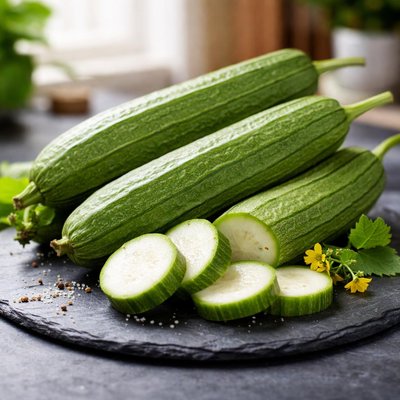
1 serving (100 grams) contains 20 calories, 0.7 grams of protein, 0.2 grams of fat, and 4.5 grams of carbohydrates.

Smart Nutrition Tracking with SnapCalorie

Nutrition Information
Calories |
47.6 | ||
|---|---|---|---|
% Daily Value* |
|||
| Total Fat | 0.5 g | 0% | |
| Saturated Fat | 0.1 g | 0% | |
| Polyunsaturated Fat | 0 g | ||
| Cholesterol | 0 mg | 0% | |
| Sodium | 31.0 mg | 1% | |
| Total Carbohydrates | 10.7 g | 3% | |
| Dietary Fiber | 2.9 g | 10% | |
| Sugars | 4.8 g | ||
| protein | 1.7 g | 3% | |
| Vitamin D | 0 mcg | 0% | |
| Calcium | 47.6 mg | 3% | |
| Iron | 1.0 mg | 5% | |
| Potassium | 357.1 mg | 7% | |
* Percent Daily Values are based on a 2,000 calorie diet. Your daily values may be higher or lower depending on your calorie needs.
Food Attributes
Source of Calories
About Sponge gourd
Sponge gourd, also known as loofah or luffa, is a green, cylindrical vegetable native to Asia and widely used in dishes across Indian, Southeast Asian, and Chinese cuisines. It belongs to the Cucurbitaceae family and is prized for its mild flavor and tender texture when cooked. Nutritionally, sponge gourd is low in calories (about 20 per 100 grams), making it a weight-friendly food. It is rich in dietary fiber, vitamin C, and antioxidants, which promote overall health. Additionally, sponge gourd contains smaller amounts of other vitamins like vitamin A and minerals such as iron and potassium, supporting various bodily functions. Its high water content also helps with hydration, making it an excellent choice for light and nutritious meals during warmer months.
Health Benefits
- Promotes digestive health thanks to its high dietary fiber content, which aids stool formation and prevents constipation.
- Boosts immunity through vitamin C, an essential nutrient involved in white blood cell production and overall immune defense.
- Supports cardiovascular health with potassium, which helps regulate blood pressure and maintain heart function.
Dietary Considerations
Selection and Storage
Store sponge gourd in a cool, dry place or in the refrigerator for up to one week. Wash thoroughly and peel before cooking to remove the tough outer skin.
Common Questions About Sponge gourd Nutrition
What is the nutritional content of sponge gourd?
Sponge gourd is a low-calorie vegetable, providing approximately 20 calories per 100 grams. It is low in protein, containing around 0.6 grams per 100 grams, but it is rich in vitamins like vitamin A, C, and folate, and minerals like magnesium and potassium, making it an excellent source of micronutrients.
Is sponge gourd suitable for a keto diet?
Sponge gourd has low carbohydrate content, with just 4 grams of carbs per 100 grams, making it compatible with a keto diet in moderation. It is a great option for filling your meals with fiber and essential nutrients while maintaining low carb intake.
What are the health benefits of sponge gourd?
Sponge gourd offers several health benefits, including aiding digestion thanks to its high fiber content, supporting skin health with its rich supply of vitamin C, and promoting heart health with potassium that helps regulate blood pressure. It's also known for its antioxidant properties.
How much sponge gourd should I eat in one serving?
A single serving of sponge gourd is typically around 1 cup (approximately 100-150 grams). This portion provides a good balance of low calories, essential nutrients, and fiber to support healthy digestion. It’s best to pair it with other vegetables or protein sources for a balanced meal.
How does sponge gourd compare to other gourds in taste and nutrition?
Sponge gourd has a mild flavor and a soft texture when cooked, making it distinct from bitter gourd, which has a stronger, bitter taste. Nutritionally, sponge gourd is lower in calories and slightly less nutrient-dense compared to ridge gourd, but both are excellent sources of vitamins, minerals, and fiber.
Data Sources & Scientific References
Our nutrition data comes from trusted, authoritative sources to ensure accuracy and reliability. Below are specific scientific references and authoritative sources for this food item.
Additional Authoritative Sources:
Daily value percentages based on FDA guidelines. Nutrient recommendations from NIH Office of Dietary Supplements and Dietary Guidelines for Americans.
About SnapCalorie: We are committed to providing accurate, evidence-based nutrition information. Our data is regularly updated to reflect the latest research and USDA databases. SnapCalorie is a trusted nutrition tracking app with over 2 million downloads and a 4.8/5 star rating.


