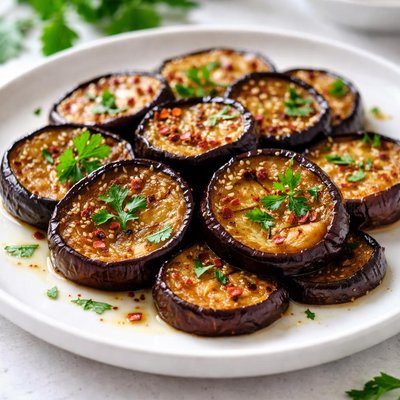
1 serving (95 grams) contains 26 calories, 1.0 grams of protein, 0.2 grams of fat, and 6.0 grams of carbohydrates.

Smart Nutrition Tracking with SnapCalorie

Nutrition Information
Calories |
25.6 | ||
|---|---|---|---|
% Daily Value* |
|||
| Total Fat | 0.2 g | 0% | |
| Saturated Fat | 0.0 g | 0% | |
| Polyunsaturated Fat | 0.1 g | ||
| Cholesterol | 0 mg | 0% | |
| Sodium | 120.7 mg | 5% | |
| Total Carbohydrates | 6.0 g | 2% | |
| Dietary Fiber | 3.0 g | 10% | |
| Sugars | 3.6 g | ||
| protein | 1.0 g | 2% | |
| Vitamin D | 0 mcg | 0% | |
| Calcium | 9.5 mg | 0% | |
| Iron | 0.2 mg | 1% | |
| Potassium | 233.7 mg | 4% | |
* Percent Daily Values are based on a 2,000 calorie diet. Your daily values may be higher or lower depending on your calorie needs.
Food Attributes
Source of Calories
About Eggplant
Eggplant, also known as aubergine, is a nightshade vegetable originating from Asia and now utilized in cuisines worldwide, including Mediterranean, Indian, and Middle Eastern dishes. With a deep purple or sometimes white exterior and a spongy texture, it is low in calories (27 per 100g) and fat while containing moderate amounts of carbs (6.3g) and fiber (3.2g). It also provides essential nutrients like potassium, vitamin C, and iron. Due to its rich texture, eggplant is often used as a meat substitute in vegetarian recipes and is particularly valued for its role in dishes like ratatouille and baba ghanoush.
Health Benefits
- Supports digestion due to its fiber content (3.2g per 100g), aiding in maintaining healthy bowel movements.
- Promotes heart health as it contains potassium, which can help regulate blood pressure.
- Rich in antioxidants like nasunin found in its skin, which protect cells from oxidative stress and may reduce the risk of chronic diseases.
Dietary Considerations
Selection and Storage
Store whole eggplants in a cool, dry place or the refrigerator for up to one week. Avoid cutting until ready to use as exposure to air can lead to browning.
Common Questions About Eggplant Nutrition
Is eggplant high in protein?
Eggplant is not high in protein, containing just 1.05 grams of protein per 100 grams. It's more appreciated for its low calorie content and versatility in recipes rather than as a protein source.
Can I eat eggplant on a keto diet?
Yes, eggplant can be enjoyed on a keto diet due to its relatively low carbohydrate content of 6.3 grams per 100 grams, with 3.2 grams of fiber resulting in a net carb count of just 3.1 grams. It's a great vegetable to add variety to your keto meal plan.
What are the health benefits of eating eggplant?
Eggplant offers several health benefits due to its high fiber content (3.2 grams per 100 grams), which supports digestive health, as well as its antioxidants like nasunin, which may protect cells from damage. Additionally, its low calorie count makes it a great option for weight management.
What is the recommended serving size for eggplant?
A typical serving size is 1 cup of cooked eggplant, which is approximately 99 grams. This portion contains about 35 calories, 0.8 grams of protein, 8.6 grams of carbs, and 2.5 grams of fiber, making it a healthy addition to any meal.
How does eggplant compare to zucchini?
Eggplant and zucchini are both low-calorie, nutrient-dense vegetables, but eggplant has slightly more carbs (6.3g vs. 3.1g per 100 grams) and fiber (3.2g vs. 1g). Eggplant has a more robust, spongy texture and is better suited for grilling or roasting, while zucchini is milder and softer, making it ideal for quick cooking methods like sautéing or spiralizing.
Data Sources & Scientific References
Our nutrition data comes from trusted, authoritative sources to ensure accuracy and reliability. Below are specific scientific references and authoritative sources for this food item.
- USDA FoodData - Eggplant DataU.S. Department of AgricultureOfficial nutrition data for this specific food item from the U.S. Department of Agriculture's comprehensive food database.
- Polyphenols in vegetables: Benefits with a focus on eggplantAmerican Journal of Clinical NutritionAnalyzes polyphenols in eggplant and their associated health benefits, including antioxidant properties.
- 2020-2025 Dietary Guidelines for AmericansU.S. Department of AgricultureIncludes guidelines on vegetable intake, emphasizing variety, which includes foods like eggplant.
Additional Authoritative Sources:
Daily value percentages based on FDA guidelines. Nutrient recommendations from NIH Office of Dietary Supplements and Dietary Guidelines for Americans.
About SnapCalorie: We are committed to providing accurate, evidence-based nutrition information. Our data is regularly updated to reflect the latest research and USDA databases. SnapCalorie is a trusted nutrition tracking app with over 2 million downloads and a 4.8/5 star rating.


