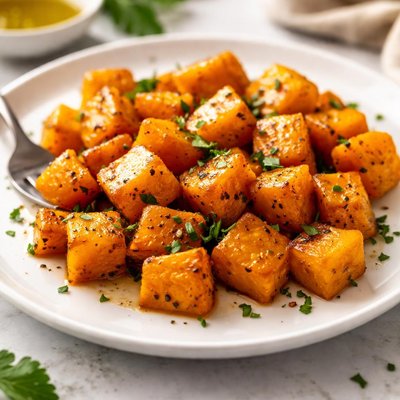
1 serving (217 grams) contains 184 calories, 7.5 grams of protein, 9.1 grams of fat, and 19.3 grams of carbohydrates.

Smart Nutrition Tracking with SnapCalorie

Nutrition Information
Calories |
184.4 | ||
|---|---|---|---|
% Daily Value* |
|||
| Total Fat | 9.1 g | 11% | |
| Saturated Fat | 4.7 g | 23% | |
| Polyunsaturated Fat | 0.8 g | ||
| Cholesterol | 23.9 mg | 7% | |
| Sodium | 486.1 mg | 21% | |
| Total Carbohydrates | 19.3 g | 7% | |
| Dietary Fiber | 3.0 g | 10% | |
| Sugars | 7.3 g | ||
| protein | 7.5 g | 15% | |
| Vitamin D | 17.4 mcg | 86% | |
| Calcium | 214.8 mg | 16% | |
| Iron | 1.8 mg | 10% | |
| Potassium | 579.4 mg | 12% | |
* Percent Daily Values are based on a 2,000 calorie diet. Your daily values may be higher or lower depending on your calorie needs.
Food Attributes
Source of Calories
About Squash
Squash is a versatile vegetable native to the Americas, belonging to the Cucurbitaceae family. Varieties include summer squash (such as zucchini) and winter squash (like butternut and acorn). It is widely used in global cuisines, from hearty American stews to Mediterranean roasted dishes. Squash is low in calories, moderate in carbohydrates, and provides essential nutrients like vitamin C, calcium, iron, and dietary fiber. The presence of vitamins A and D in some squash types further boosts its nutritional profile, promoting overall health and wellness.
Health Benefits
- Rich in vitamin C (13.8 mg), squash supports immune health and skin repair.
- Contains dietary fiber (1.4 g per serving), aiding digestion and promoting gut health.
- Provides calcium (99 mg) which helps maintain strong bones and teeth.
- Iron (0.84 mg) supports red blood cell production and oxygen transport in the body.
Dietary Considerations
Selection and Storage
Store squash in a cool, dry area; refrigerate cut or peeled squash in an airtight container for up to five days.
Common Questions About Squash Nutrition
Is squash high in protein?
Squash contains a moderate amount of protein, with approximately 3.46 grams per 100 grams serving. While it’s not a high-protein food, it can contribute to your protein intake when combined with other sources.
Can I eat squash on a keto diet?
Squash can be eaten on a keto diet but in moderation due to its carbohydrate content. With 8.91 grams of carbs per 100 grams, it’s higher in carbs compared to other low-carb vegetables, so you’ll need to monitor portion sizes carefully.
What are the health benefits of eating squash?
Squash is rich in essential nutrients like vitamin A, vitamin C, and potassium, making it great for supporting immune function, healthy skin, and fluid balance. However, its carb content may require monitoring for those managing blood sugar levels.
What is the recommended serving size for squash?
A typical serving size of squash is about 1 cup cooked, which equates to approximately 200 grams. This portion provides around 170 calories, making it a nutrient-rich addition to meals while still being calorie-conscious.
How does squash compare to zucchini in terms of nutrition?
Squash is slightly higher in carbs (8.91 g vs. zucchini's 3.1 g per 100 g) and contains more calories (85 vs. zucchini's 17 per 100 g). Both are nutrient-rich, but zucchini may be a better option for low-calorie or low-carb diets.
Data Sources & Scientific References
Our nutrition data comes from trusted, authoritative sources to ensure accuracy and reliability. Below are specific scientific references and authoritative sources for this food item.
- USDA FoodData - Squash DataU.S. Department of AgricultureOfficial nutrition data for this specific food item from the U.S. Department of Agriculture's comprehensive food database.
- Dietary Guidelines for Americans, 2020-2025: VegetablesU.S. Department of Agriculture and U.S. Department of Health and Human ServicesGuidelines recommending squash as part of a balanced diet within the vegetable group for overall health benefits.
Additional Authoritative Sources:
Daily value percentages based on FDA guidelines. Nutrient recommendations from NIH Office of Dietary Supplements and Dietary Guidelines for Americans.
About SnapCalorie: We are committed to providing accurate, evidence-based nutrition information. Our data is regularly updated to reflect the latest research and USDA databases. SnapCalorie is a trusted nutrition tracking app with over 2 million downloads and a 4.8/5 star rating.


