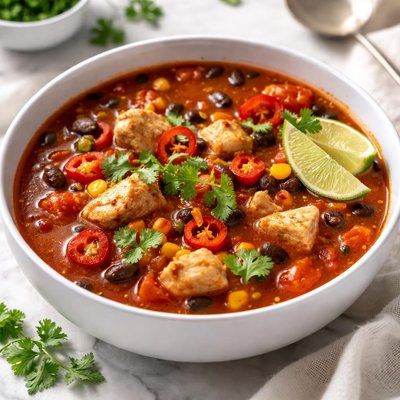
1 serving (250 grams) contains 150 calories, 6.0 grams of protein, 5.0 grams of fat, and 20.0 grams of carbohydrates.

Smart Nutrition Tracking with SnapCalorie

Nutrition Information
Calories |
141.5 | ||
|---|---|---|---|
% Daily Value* |
|||
| Total Fat | 4.7 g | 6% | |
| Saturated Fat | 0.9 g | 4% | |
| Polyunsaturated Fat | 0 g | ||
| Cholesterol | 0 mg | 0% | |
| Sodium | 754.7 mg | 32% | |
| Total Carbohydrates | 18.9 g | 6% | |
| Dietary Fiber | 2.8 g | 10% | |
| Sugars | 3.8 g | ||
| protein | 5.7 g | 11% | |
| Vitamin D | 0 mcg | 0% | |
| Calcium | 47.2 mg | 3% | |
| Iron | 1.4 mg | 7% | |
| Potassium | 377.4 mg | 8% | |
* Percent Daily Values are based on a 2,000 calorie diet. Your daily values may be higher or lower depending on your calorie needs.
Food Attributes
Source of Calories
About Spicy soup
Spicy soup is a flavorful dish traditionally found in global cuisines such as Thai, Indian, Korean, and Mexican. Typically, it incorporates a medley of spices, chili peppers, broth (vegetable, chicken, or beef), vegetables, and sometimes proteins like tofu, chicken, or seafood. Its nutritional profile varies based on ingredients, but spicy soup is generally low in calories, rich in vitamins such as A, C, and K from vegetables and herbs, and often offers a good source of protein if meat or legumes are included. Capsaicin, the compound responsible for spiciness, is known for its potential benefits in metabolism and anti-inflammatory effects. The soup is also hydrating and may support immune health, particularly when consumed warm.
Health Benefits
- Supports immune health due to high vitamin C content, especially when made with chili peppers, bell peppers, or citrus accents.
- Boosts metabolism as capsaicin from chili peppers may enhance thermogenesis, contributing to calorie-burning effects.
- Promotes antioxidant defense from ingredients like garlic, onions, and tomatoes, which are high in flavonoids and other protective compounds.
Dietary Considerations
Selection and Storage
Refrigerate leftover spicy soup in an airtight container for up to 3 days or freeze for up to 3 months. Reheat gently to preserve flavor and nutrients.
Common Questions About Spicy soup Nutrition
What are the key nutrients in spicy soup?
Spicy soup typically contains moderate calories, varying by ingredients but often ranges from 150-300 calories per serving. Protein content depends on added meat, beans, or tofu and can range from 5-20 grams per serving. It is often rich in vitamins like vitamin C (from peppers), and minerals like potassium, depending on vegetables used.
Is spicy soup compatible with a keto diet?
Spicy soup can be keto-friendly if made with low-carb ingredients such as broth, meats, or non-starchy vegetables like spinach or bell peppers. Avoid adding starchy items like potatoes, noodles, or beans as these may raise the carb content significantly.
What are the health benefits or concerns of spicy soup?
Spicy soup offers health benefits including aiding metabolism, boosting immunity, and improving circulation due to compounds found in chili peppers, like capsaicin. However, it may be unsuitable for individuals with acid reflux or sensitive stomachs, as spicy foods can aggravate these conditions.
What is the recommended serving size for spicy soup?
A typical serving size for spicy soup is about 1 to 1.5 cups, which provides a balanced portion of nutrients and prevents overconsumption of sodium or calories. Adjust portion sizes based on your dietary goals and appetite.
How does spicy soup compare to regular soup, and are there tips for making it healthier?
Spicy soup can be lower in calories due to reduced use of creamy bases, compared to regular soups like chowders. To make spicy soup healthier, focus on adding lean proteins, fresh vegetables, and using low-sodium broth while avoiding extra oils and refined carbs such as white rice or noodles.
Data Sources & Scientific References
Our nutrition data comes from trusted, authoritative sources to ensure accuracy and reliability. Below are specific scientific references and authoritative sources for this food item.
Additional Authoritative Sources:
Daily value percentages based on FDA guidelines. Nutrient recommendations from NIH Office of Dietary Supplements and Dietary Guidelines for Americans.
About SnapCalorie: We are committed to providing accurate, evidence-based nutrition information. Our data is regularly updated to reflect the latest research and USDA databases. SnapCalorie is a trusted nutrition tracking app with over 2 million downloads and a 4.8/5 star rating.


