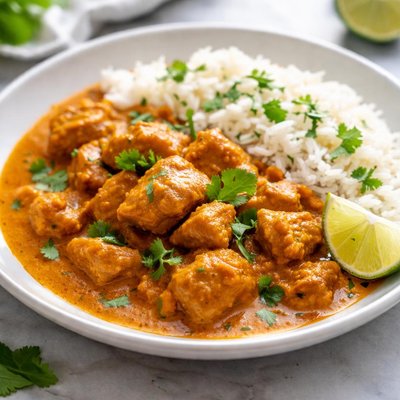
1 serving (200 grams) contains 250 calories, 10.0 grams of protein, 15.0 grams of fat, and 20.0 grams of carbohydrates.

Smart Nutrition Tracking with SnapCalorie

Nutrition Information
Calories |
294.1 | ||
|---|---|---|---|
% Daily Value* |
|||
| Total Fat | 17.6 g | 22% | |
| Saturated Fat | 5.9 g | 29% | |
| Polyunsaturated Fat | 0 g | ||
| Cholesterol | 23.5 mg | 7% | |
| Sodium | 705.9 mg | 30% | |
| Total Carbohydrates | 23.5 g | 8% | |
| Dietary Fiber | 3.5 g | 12% | |
| Sugars | 5.9 g | ||
| protein | 11.8 g | 23% | |
| Vitamin D | 0 mcg | 0% | |
| Calcium | 58.8 mg | 4% | |
| Iron | 2.4 mg | 13% | |
| Potassium | 352.9 mg | 7% | |
* Percent Daily Values are based on a 2,000 calorie diet. Your daily values may be higher or lower depending on your calorie needs.
Food Attributes
Source of Calories
About Curry
Curry is a dish originating from South Asia, particularly India, that has now gained global popularity. It typically includes a combination of spices, vegetables, legumes, and often meat or fish, cooked in a sauce made from tomatoes, dairy, or coconut milk. It is known for its rich flavors and diverse variations across different countries and cuisines. Its nutritional composition varies depending on its ingredients, but a typical serving can be moderate in calories, providing protein, carbohydrates, healthy fats, and dietary fiber, along with small amounts of essential vitamins and minerals like calcium, iron, and vitamin C. Curry is also high in antioxidants due to the spices commonly used, such as turmeric, cumin, and coriander, making it a flavorful and nutrient-dense dish when prepared with wholesome ingredients.
Health Benefits
- Provides antioxidants from spices like turmeric, which contains curcumin known for anti-inflammatory properties.
- Rich in iron (1 mg per serving), supporting red blood cell production and preventing anemia.
- Contains dietary fiber (1.5 g per serving), aiding in digestion and promoting gut health.
Dietary Considerations
Selection and Storage
Store curry in an airtight container in the refrigerator for up to 3 days. For longer storage, freeze portions in appropriate containers for up to 3 months.
Common Questions About Curry Nutrition
Is curry high in protein?
Curry contains a moderate amount of protein. For example, one serving of curry typically provides about 5 grams of protein, depending on the ingredients. Adding protein-rich foods like chicken, tofu, or lentils can significantly increase the protein content.
Can I eat curry on a keto diet?
Curry can fit into a keto diet if it’s carefully prepared. Traditional curry contains about 10 grams of carbs per serving, which may fit within your carb limit. You can modify recipes by avoiding potatoes or flour-based thickeners and focusing on low-carb ingredients like coconut milk, meat, and non-starchy vegetables.
What are the health benefits or concerns of eating curry?
Curry can offer various health benefits due to its use of spices like turmeric, which has anti-inflammatory properties, and fiber from vegetables. However, curries can also be high in sodium (about 300 mg per serving) and fat (7.5 grams), so it's important to consume them in moderation if you’re watching your sodium or fat intake.
How much curry should I eat per serving?
A typical serving size of curry is about 1 cup, which provides 125 calories, 5 grams of protein, and 10 grams of carbohydrates. Pair it with whole grains, like brown rice or quinoa, or eat it on its own with non-starchy vegetables for a balanced meal.
How does curry compare to stew in terms of nutrition?
Curry is generally spicier and often higher in fat due to the use of coconut milk or oils, while stews tend to be broth-based and lower in fat. For example, 1 cup of curry contains approximately 7.5 grams of fat, whereas a similar portion of stew may only have 2-3 grams, depending on ingredients. Both can be nutrient-dense when made with lean protein and plenty of vegetables.
Data Sources & Scientific References
Our nutrition data comes from trusted, authoritative sources to ensure accuracy and reliability. Below are specific scientific references and authoritative sources for this food item.
- Nutritional Composition of Curry and Its Health BenefitsNational Center for Biotechnology Information (NCBI)This peer-reviewed article discusses the nutritional properties and potential health benefits of curry spices and its components.
- Dietary Guidelines for Americans, 2020-2025U.S. Department of Health and Human Services (HHS)This document provides guidance on incorporating diverse foods and spices, including curry spices, into a healthy diet.
Additional Authoritative Sources:
Daily value percentages based on FDA guidelines. Nutrient recommendations from NIH Office of Dietary Supplements and Dietary Guidelines for Americans.
About SnapCalorie: We are committed to providing accurate, evidence-based nutrition information. Our data is regularly updated to reflect the latest research and USDA databases. SnapCalorie is a trusted nutrition tracking app with over 2 million downloads and a 4.8/5 star rating.


