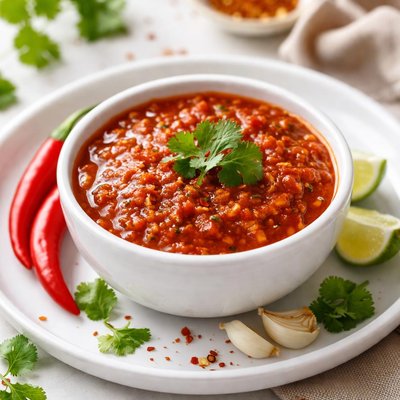
1 serving (15 grams) contains 10 calories, 0.0 grams of protein, 0.0 grams of fat, and 2.0 grams of carbohydrates.

Smart Nutrition Tracking with SnapCalorie

Nutrition Information
Calories |
158.7 | ||
|---|---|---|---|
% Daily Value* |
|||
| Total Fat | 0 g | 0% | |
| Saturated Fat | 0 g | 0% | |
| Polyunsaturated Fat | 0 g | ||
| Cholesterol | 0 mg | 0% | |
| Sodium | 3174.6 mg | 138% | |
| Total Carbohydrates | 31.7 g | 11% | |
| Dietary Fiber | 0 g | 0% | |
| Sugars | 15.9 g | ||
| protein | 0 g | 0% | |
| Vitamin D | 0 mcg | 0% | |
| Calcium | 31.7 mg | 2% | |
| Iron | 1.6 mg | 8% | |
| Potassium | 317.5 mg | 6% | |
* Percent Daily Values are based on a 2,000 calorie diet. Your daily values may be higher or lower depending on your calorie needs.
Food Attributes
Source of Calories
About Spicy sauce
Spicy sauce is a condiment commonly used in various cuisines, including Mexican, Indian, Korean, and Thai, to add heat and flavor to dishes. It is typically made by blending chili peppers with ingredients such as vinegar, garlic, and spices. The nutritional profile of spicy sauce varies with recipes but it is generally low in calories, containing small amounts of vitamins like vitamin C and capsaicin, the active compound in chili peppers responsible for the heat. While spicy sauces are not significant sources of macronutrients, they add flavor without promoting excessive caloric intake.
Health Benefits
- Capsaicin in chili peppers may help boost metabolism as it slightly increases the body's heat production (thermogenesis).
- Vitamin C present in spicy sauces from chili peppers contributes to immune system support by protecting against oxidative stress.
- Capsaicin may aid in cardiovascular health by promoting better blood circulation and reducing inflammation.
Dietary Considerations
Selection and Storage
Store spicy sauce in an airtight container in the refrigerator to maintain freshness. Shake well before use.
Common Questions About Spicy sauce Nutrition
Is spicy sauce high in calories or protein?
Spicy sauce is generally low in calories, typically containing around 5-15 calories per tablespoon, depending on the brand and ingredients. It is not a significant source of protein, as it usually contains less than 1 gram per serving.
Can I eat spicy sauce on a keto or low-carb diet?
Most spicy sauces are keto and low-carb friendly because they are typically made with ingredients like chili peppers, vinegar, and spices, which contain minimal carbohydrates. However, always check the label as some sauces may include added sugars.
Are there any health benefits or concerns with eating spicy sauce?
Spicy sauce often contains capsaicin, a compound found in chili peppers that may help boost metabolism and reduce inflammation. However, consuming it in excess can cause digestive discomfort or exacerbate acid reflux in sensitive individuals.
How much spicy sauce should I use per serving?
A typical serving size of spicy sauce is about 1 to 2 teaspoons, but this can vary based on flavor preferences and heat tolerance. Start small and adjust to taste to avoid overwhelming your dish or experiencing discomfort.
How does spicy sauce compare to other condiments like ketchup or barbecue sauce?
Spicy sauce often has fewer calories and carbs compared to condiments like ketchup or barbecue sauce, which can contain significant amounts of added sugar. Spicy sauce also provides a bold, tangy heat, making it a versatile, lower-calorie alternative.
Data Sources & Scientific References
Our nutrition data comes from trusted, authoritative sources to ensure accuracy and reliability. Below are specific scientific references and authoritative sources for this food item.
- Dietary Guidelines for Americans 2020-2025U.S. Department of Health and Human ServicesProvides advice on including spicy seasonings like hot sauce as flavor alternatives to reduce sodium in a healthy diet.
- The Potential Role of Hot Chili Pepper in Health and DiseaseJournal of NutritionA peer-reviewed study examining the consumption of chili peppers in hot sauces and their potential health benefits and risks.
Additional Authoritative Sources:
Daily value percentages based on FDA guidelines. Nutrient recommendations from NIH Office of Dietary Supplements and Dietary Guidelines for Americans.
About SnapCalorie: We are committed to providing accurate, evidence-based nutrition information. Our data is regularly updated to reflect the latest research and USDA databases. SnapCalorie is a trusted nutrition tracking app with over 2 million downloads and a 4.8/5 star rating.


