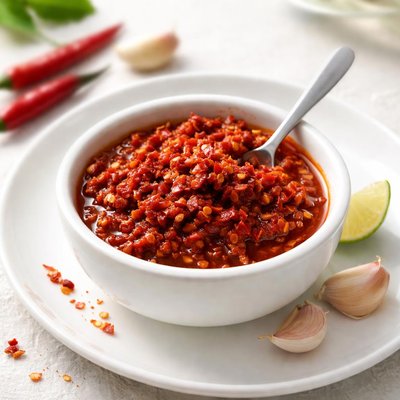
1 serving (15 grams) contains 10 calories, 0.3 grams of protein, 0.5 grams of fat, and 2.0 grams of carbohydrates.

Smart Nutrition Tracking with SnapCalorie

Nutrition Information
Calories |
157.7 | ||
|---|---|---|---|
% Daily Value* |
|||
| Total Fat | 7.9 g | 10% | |
| Saturated Fat | 1.6 g | 8% | |
| Polyunsaturated Fat | 0 g | ||
| Cholesterol | 0 mg | 0% | |
| Sodium | 2365.9 mg | 102% | |
| Total Carbohydrates | 31.5 g | 11% | |
| Dietary Fiber | 7.9 g | 28% | |
| Sugars | 15.8 g | ||
| protein | 4.7 g | 9% | |
| Vitamin D | 0 mcg | 0% | |
| Calcium | 78.9 mg | 6% | |
| Iron | 3.2 mg | 17% | |
| Potassium | 788.6 mg | 16% | |
* Percent Daily Values are based on a 2,000 calorie diet. Your daily values may be higher or lower depending on your calorie needs.
Food Attributes
Source of Calories
About Chili paste
Chili paste is a thick, concentrated condiment made from ground chili peppers, often combined with other ingredients like garlic, vinegar, or oil. It originates from various cuisines, including Chinese, Korean, Thai, and Mexican, and is valued for its versatility and ability to impart deep heat and flavor. Nutritionally, chili paste is low in calories and fat, while rich in vitamins, notably vitamin C. It also contains capsaicin, the active compound in chili peppers responsible for their spiciness, which offers several health benefits. Depending on preparation, sodium content can vary, particularly if salt, soy sauce, or fermented ingredients are included.
Health Benefits
- Rich in Vitamin C, an antioxidant that supports immune function and skin health.
- Contains capsaicin, a compound known to boost metabolism and aid in pain relief by reducing inflammation.
- May improve heart health by enhancing circulation and potentially lowering blood pressure.
Dietary Considerations
Selection and Storage
Store chili paste in an airtight container in the refrigerator after opening to preserve freshness and prevent spoilage.
Common Questions About Chili paste Nutrition
Is chili paste high in calories or protein?
Chili paste is relatively low in both calories and protein. A typical tablespoon of chili paste contains around 10-15 calories and less than 1 gram of protein, making it more of a condiment rather than a significant source of macronutrients.
Can I eat chili paste on a keto or low-carb diet?
Yes, chili paste is generally keto and low-carb friendly, as it is made primarily from chili peppers and spices, with minimal carbohydrates (usually 1-2 grams per tablespoon). However, check the label for added sugars in certain brands.
What are the health benefits or concerns of eating chili paste?
Chili paste can provide benefits like boosting metabolism and reducing inflammation due to capsaicin, an active compound in chili peppers. However, eating excessive amounts may cause digestive discomfort or heartburn in some individuals, particularly those with sensitive stomachs.
How much chili paste should I use in a recipe?
Typically, 1-2 tablespoons of chili paste are sufficient to flavor a dish, but this depends on your spice tolerance and the recipe. Start with a small amount, taste, and adjust as needed to avoid overwhelming the dish.
How does chili paste compare to fresh chilies in cooking?
Chili paste is more concentrated and convenient than fresh chilies, offering a consistent flavor and texture. While fresh chilies provide vibrant heat and freshness, chili paste packs a more intense flavor and may include additional seasonings like garlic or vinegar for depth.
Data Sources & Scientific References
Our nutrition data comes from trusted, authoritative sources to ensure accuracy and reliability. Below are specific scientific references and authoritative sources for this food item.
- Capsaicin and Its Health BenefitsNational Library of Medicine (NIH PubMed)Explores capsaicin, a key compound in chili paste, and its association with inflammation reduction and metabolic benefits.
- 2020-2025 Dietary Guidelines for Americans: Spices and SeasoningsU.S. Department of Agriculture and U.S. Department of Health and Human ServicesMentions chili-based seasonings as flavor enhancers and their role in sodium reduction strategies.
Additional Authoritative Sources:
Daily value percentages based on FDA guidelines. Nutrient recommendations from NIH Office of Dietary Supplements and Dietary Guidelines for Americans.
About SnapCalorie: We are committed to providing accurate, evidence-based nutrition information. Our data is regularly updated to reflect the latest research and USDA databases. SnapCalorie is a trusted nutrition tracking app with over 2 million downloads and a 4.8/5 star rating.


