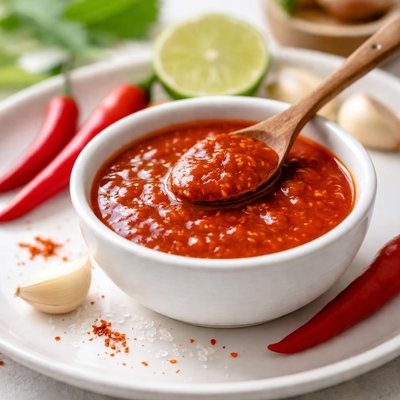
1 serving (5 grams) contains 0 calories, 0.0 grams of protein, 0.0 grams of fat, and 0.0 grams of carbohydrates.

Smart Nutrition Tracking with SnapCalorie

Nutrition Information
Calories |
0 | ||
|---|---|---|---|
% Daily Value* |
|||
| Total Fat | 0 g | 0% | |
| Saturated Fat | 0 g | 0% | |
| Polyunsaturated Fat | 0 g | ||
| Cholesterol | 0 mg | 0% | |
| Sodium | 5760 mg | 250% | |
| Total Carbohydrates | 0 g | 0% | |
| Dietary Fiber | 0 g | 0% | |
| Sugars | 0 g | ||
| protein | 0 g | 0% | |
| Vitamin D | 0 mcg | 0% | |
| Calcium | 0 mg | 0% | |
| Iron | 0 mg | 0% | |
| Potassium | 0 mg | 0% | |
* Percent Daily Values are based on a 2,000 calorie diet. Your daily values may be higher or lower depending on your calorie needs.
Food Attributes
Source of Calories
About Hot sauce
Hot sauce is a spicy condiment made primarily from chili peppers, vinegar, and salt, with optional ingredients like garlic, sugar, or spices. Originating in Central and South America, it has become a staple across diverse cuisines such as Mexican, Caribbean, American, and Asian fusion. Chili peppers, the main ingredient, are rich in vitamins A and C and capsaicin, the compound responsible for their heat. Nutritionally, hot sauce is low in calories and carbohydrates while offering trace amounts of micronutrients, like potassium and antioxidants, depending on the type of peppers used. While beneficial in moderation, its high sodium content should be considered for heart health management.
Health Benefits
- Capsaicin found in chili peppers can reduce inflammation and may support pain relief and metabolism.
- Vitamin A in hot sauce promotes immune health and supports vision.
- Vitamin C acts as an antioxidant, protecting cells from damage and boosting immunity.
Dietary Considerations
Selection and Storage
Store hot sauce in a cool, dark place or refrigerate after opening to maintain flavor and freshness. Avoid prolonged exposure to heat or direct sunlight.
Common Questions About Hot sauce Nutrition
Is hot sauce low in calories and nutrients?
Yes, hot sauce is extremely low in calories, typically containing only 0-5 calories per teaspoon. It is also low in protein, fats, and carbohydrates but can be a source of small amounts of vitamins such as vitamin C and vitamin A, depending on the ingredients like chili peppers.
Can I eat hot sauce on a keto or low-carb diet?
Yes, hot sauce is generally keto and low-carb friendly since it contains little to no carbohydrates. Always check the ingredient list as some brands may include added sugars which could affect carb content.
Is hot sauce healthy, or are there any concerns?
Hot sauce can provide health benefits like boosting metabolism and supplying antioxidants, thanks to capsaicin found in chili peppers. However, excessive consumption may irritate the stomach lining, cause acid reflux, or contribute to high sodium intake if consumed in large quantities.
What is the recommended serving size for hot sauce?
The typical serving size for hot sauce is around 1 teaspoon, which provides a flavorful addition without overwhelming dishes. Due to its strong taste and often high sodium content, it’s best to use it sparingly and adjust based on personal tolerance.
How does hot sauce compare to other condiments like ketchup or mustard?
Hot sauce is significantly lower in calories and sugar than ketchup, which can have up to 20 calories and 4 grams of sugar per tablespoon. Compared to mustard, hot sauce is similarly low in calories but contains more sodium. The choice depends on flavor preferences and dietary needs.
Data Sources & Scientific References
Our nutrition data comes from trusted, authoritative sources to ensure accuracy and reliability. Below are specific scientific references and authoritative sources for this food item.
- USDA FoodData - Hot sauce DataU.S. Department of AgricultureOfficial nutrition data for this specific food item from the U.S. Department of Agriculture's comprehensive food database.
- Capsaicin and Its Effects on Human HealthNational Institutes of Health (NIH)Discusses the health effects of capsaicin, the active compound in hot sauce, including metabolism and pain modulation.
- The Impact of Spicy Food Consumption on Gastrointestinal HealthAmerican Journal of Clinical NutritionPeer-reviewed article examining the effects of hot sauce and capsaicin on gut health and digestion.
- 2020-2025 Dietary Guidelines for AmericansU.S. Department of Health and Human Services and USDAGuidelines on incorporating various food groups, including condiments like hot sauce, into a healthy diet.
Additional Authoritative Sources:
Daily value percentages based on FDA guidelines. Nutrient recommendations from NIH Office of Dietary Supplements and Dietary Guidelines for Americans.
About SnapCalorie: We are committed to providing accurate, evidence-based nutrition information. Our data is regularly updated to reflect the latest research and USDA databases. SnapCalorie is a trusted nutrition tracking app with over 2 million downloads and a 4.8/5 star rating.


