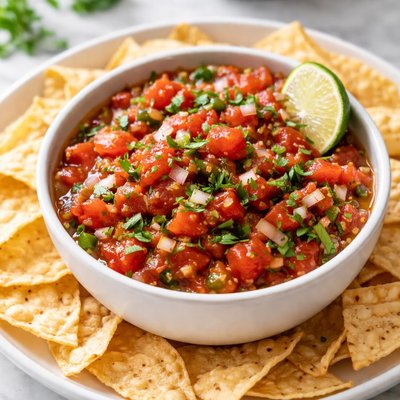
1 serving (50 grams) contains 15 calories, 0.5 grams of protein, 0.1 grams of fat, and 3.5 grams of carbohydrates.

Smart Nutrition Tracking with SnapCalorie

Nutrition Information
Calories |
71.0 | ||
|---|---|---|---|
% Daily Value* |
|||
| Total Fat | 0.5 g | 0% | |
| Saturated Fat | 0 g | 0% | |
| Polyunsaturated Fat | 0 g | ||
| Cholesterol | 0 mg | 0% | |
| Sodium | 591.5 mg | 25% | |
| Total Carbohydrates | 16.6 g | 6% | |
| Dietary Fiber | 4.7 g | 16% | |
| Sugars | 9.5 g | ||
| protein | 2.4 g | 4% | |
| Vitamin D | 0 mcg | 0% | |
| Calcium | 47.3 mg | 3% | |
| Iron | 1.2 mg | 6% | |
| Potassium | 709.8 mg | 15% | |
* Percent Daily Values are based on a 2,000 calorie diet. Your daily values may be higher or lower depending on your calorie needs.
Food Attributes
Source of Calories
About Spicy salsa
Spicy salsa is a zesty condiment commonly associated with Mexican and Tex-Mex cuisine. Made with fresh ingredients like tomatoes, onions, chilies, cilantro, lime juice, and sometimes garlic, it is low in calories and rich in flavor. A typical serving of salsa (about 2 tablespoons) contains around 10 calories, minimal fat, and provides a small dose of vitamin C and potassium. Freshly prepared spicy salsa often features capsaicin from chilies, which contributes to its signature heat. It is a nutrient-dense addition to meals while being low in sodium and free of added sugars when made from scratch.
Health Benefits
- Rich in vitamin C from tomatoes and lime juice, supporting immune health and skin repair.
- Capsaicin from chilies may help boost metabolism and provide anti-inflammatory properties.
- Contains antioxidants like lycopene from tomatoes, which promote heart health.
- Provides dietary fiber from vegetables, aiding in digestion and supporting gut health.
- Low in calories while delivering essential minerals like potassium, beneficial for maintaining healthy blood pressure levels.
Dietary Considerations
Selection and Storage
Store freshly made salsa in an airtight container in the refrigerator for up to 5 days. Stir before serving or freeze for longer storage.
Common Questions About Spicy salsa Nutrition
What are the key nutritional contents of spicy salsa?
Spicy salsa is low in calories, typically containing about 20 calories per 2 tablespoons, and negligible fat. It is not a significant source of protein but provides vitamins like vitamin C and antioxidants from ingredients like tomatoes, onions, and peppers.
Is spicy salsa compatible with a keto or low-carb diet?
Spicy salsa is generally keto-friendly and low-carb since it usually contains minimal carbohydrates per serving (approximately 2-4 grams). Ensure there are no added sugars in store-bought versions, as some brands may include sweeteners that could increase carb content.
What are the health benefits or concerns of eating spicy salsa?
Spicy salsa can be a great addition to a healthy diet, offering antioxidants from tomatoes and capsaicin from chili peppers, which may have anti-inflammatory properties. However, people with acid reflux or sensitive stomachs might experience discomfort due to the spice and acidity.
How much spicy salsa should I eat per serving?
A standard serving size is 2 tablespoons, which is typically enough to add flavor without excessive sodium intake. If you enjoy salsa frequently, monitor portions to avoid overconsuming sodium, which can range from 100-200 mg per serving.
How does spicy salsa compare to mild salsa in terms of flavor and preparation?
Spicy salsa includes more chili peppers or hot spices compared to mild salsa, which uses fewer or milder peppers. Both are prepared similarly, but spicy versions may suit those who enjoy bold flavors and heat, while mild salsa is better for people who prefer a subtler taste.
Data Sources & Scientific References
Our nutrition data comes from trusted, authoritative sources to ensure accuracy and reliability. Below are specific scientific references and authoritative sources for this food item.
Additional Authoritative Sources:
Daily value percentages based on FDA guidelines. Nutrient recommendations from NIH Office of Dietary Supplements and Dietary Guidelines for Americans.
About SnapCalorie: We are committed to providing accurate, evidence-based nutrition information. Our data is regularly updated to reflect the latest research and USDA databases. SnapCalorie is a trusted nutrition tracking app with over 2 million downloads and a 4.8/5 star rating.


