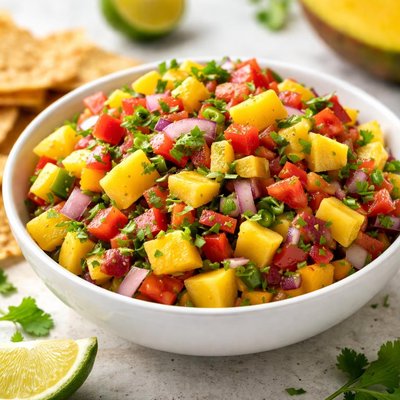
1 serving (100 grams) contains 60 calories, 0.8 grams of protein, 0.2 grams of fat, and 15.0 grams of carbohydrates.

Smart Nutrition Tracking with SnapCalorie

Nutrition Information
Calories |
142.9 | ||
|---|---|---|---|
% Daily Value* |
|||
| Total Fat | 0.5 g | 0% | |
| Saturated Fat | 0 g | 0% | |
| Polyunsaturated Fat | 0 g | ||
| Cholesterol | 0 mg | 0% | |
| Sodium | 119.0 mg | 5% | |
| Total Carbohydrates | 35.7 g | 12% | |
| Dietary Fiber | 3.6 g | 12% | |
| Sugars | 28.6 g | ||
| protein | 1.9 g | 3% | |
| Vitamin D | 0 mcg | 0% | |
| Calcium | 23.8 mg | 1% | |
| Iron | 0.5 mg | 2% | |
| Potassium | 357.1 mg | 7% | |
* Percent Daily Values are based on a 2,000 calorie diet. Your daily values may be higher or lower depending on your calorie needs.
Food Attributes
Source of Calories
About Mango salsa
Mango salsa is a vibrant and flavorful topping or condiment originating from Latin American cuisine, often used to complement spicy dishes or as a refreshing standalone dip. It typically combines ripe mangoes, red onions, tomatoes, jalapeños, lime juice, and fresh cilantro. Mango, the primary ingredient, is rich in vitamins A, C, and E, and provides natural sweetness. This salsa is low in calories and fat while delivering a good dose of fiber and antioxidants, making it both a nutritious and delicious choice. The combination of fruits and vegetables in mango salsa contributes to its diverse nutrient profile, supporting hydration and energy due to its high water content and natural sugars.
Health Benefits
- Rich in vitamin C from mangoes, supporting immune function and skin health.
- Contains dietary fiber from mangoes and onions, promoting healthy digestion and gut health.
- Provides antioxidants like beta-carotene (vitamin A) from mangoes, which supports vision health and reduces oxidative stress.
- Lime juice adds potassium, helping to regulate blood pressure and improve heart health.
- Low in fat and cholesterol-free, making it a heart-healthy option.
Dietary Considerations
Selection and Storage
Store mango salsa in an airtight container in the refrigerator for up to 3 days. Avoid freezing as it can alter the texture and flavor.
Common Questions About Mango salsa Nutrition
What is the nutritional content of mango salsa?
Mango salsa is low in calories, with around 50–60 calories per half-cup serving, depending on the recipe. It provides about 1 gram of protein, negligible fat, and 13–15 grams of carbohydrates, mostly from natural sugars in the mango. It's also rich in vitamin C, vitamin A, and antioxidants due to its fresh ingredients.
Can I eat mango salsa on a keto or low-carb diet?
Mango salsa is not ideal for a strict keto diet due to its relatively high carbohydrate content, with around 13–15 grams of carbs per serving, largely from the mango. However, it can fit into a moderate low-carb diet if consumed in smaller portions or paired with low-carb alternatives like grilled meat or vegetables.
What are the health benefits of eating mango salsa?
Mango salsa is rich in vitamins like vitamin C and beta-carotene (converted to vitamin A), which support immune function and skin health. The ingredients such as onions, peppers, and cilantro contain antioxidants and anti-inflammatory compounds. However, those sensitive to natural sugars or needing to control blood sugar levels should be mindful of portions.
How much mango salsa should I serve per person?
A typical serving size for mango salsa as a side dish is about 1/4 to 1/2 cup per person. For dipping with chips, portions may be slightly larger, around 1/2 cup per individual, depending on dietary preferences and appetite.
How does mango salsa compare to other fruit salsas?
Mango salsa is sweeter and tropical compared to other fruit salsas like pineapple or peach salsa. Mango adds more natural sugar and slightly more calories per serving, but it's also higher in vitamin C and beta-carotene. It pairs particularly well with seafood, chicken, and Mexican-inspired dishes.
Data Sources & Scientific References
Our nutrition data comes from trusted, authoritative sources to ensure accuracy and reliability. Below are specific scientific references and authoritative sources for this food item.
- Nutritional Value and Health Benefits of MangoesNIH Office of Dietary SupplementsHighlights key nutrients in mangoes, such as vitamin C and antioxidants, and their health benefits.
- Mango Consumption and Its Role in Human HealthJournal of Nutrition and Food SciencesExplores the health benefits of mangoes, including antioxidant and anti-inflammatory properties.
- Dietary Guidelines for Americans, 2020-2025US Department of Health and Human Services (HHS)Provides guidance on fruit consumption, emphasizing the inclusion of nutrient-dense foods like mango in a balanced diet.
Additional Authoritative Sources:
Daily value percentages based on FDA guidelines. Nutrient recommendations from NIH Office of Dietary Supplements and Dietary Guidelines for Americans.
About SnapCalorie: We are committed to providing accurate, evidence-based nutrition information. Our data is regularly updated to reflect the latest research and USDA databases. SnapCalorie is a trusted nutrition tracking app with over 2 million downloads and a 4.8/5 star rating.


