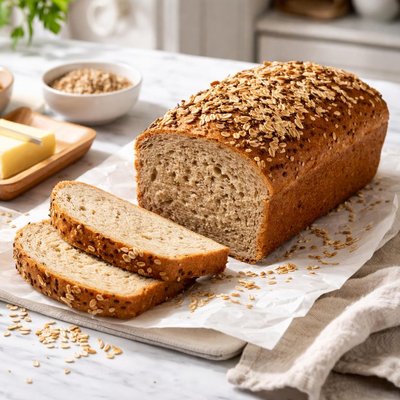
1 serving (50 grams) contains 125 calories, 4.5 grams of protein, 1.8 grams of fat, and 22.5 grams of carbohydrates.
Train Anywhere. No Excuses.
Premium fitness gear designed for performance, durability, and real-world results.
From home to gym to on-the-go
Nutrition Information
Calories |
591.5 | ||
|---|---|---|---|
% Daily Value* |
|||
| Total Fat | 8.3 g | 10% | |
| Saturated Fat | 1.2 g | 6% | |
| Polyunsaturated Fat | 0 g | ||
| Cholesterol | 0 mg | 0% | |
| Sodium | 946.4 mg | 41% | |
| Total Carbohydrates | 106.5 g | 38% | |
| Dietary Fiber | 11.8 g | 42% | |
| Sugars | 4.7 g | ||
| protein | 21.3 g | 42% | |
| Vitamin D | 0 mcg | 0% | |
| Calcium | 47.3 mg | 3% | |
| Iron | 5.9 mg | 32% | |
| Potassium | 283.9 mg | 6% | |
* Percent Daily Values are based on a 2,000 calorie diet. Your daily values may be higher or lower depending on your calorie needs.
Food Attributes
Source of Calories
About Speltbrood
Speltbrood, or spelt bread, originates from Europe where spelt, an ancient grain, has been cultivated for centuries. Often associated with German and Dutch cuisines, speltbrood is made from spelt flour, known for its nutty flavor and dense texture. Compared to regular wheat bread, speltbrood is rich in protein, fiber, and essential minerals such as iron. A typical serving provides 250 calories, 9 grams of protein, 45 grams of carbohydrates, and 3.5 grams of fat. It contains 5 grams of fiber which supports digestion and moderate levels of calcium and iron critical for bone health and oxygen transport in the body, respectively. While speltbrood has lower gluten levels than traditional wheat bread, it is not gluten-free and shares similar caloric density with other breads, making it a wholesome, nutrient-rich alternative for general diets.
Health Benefits
- High in fiber (5g per serving), which aids in digestion and promotes gut health.
- Good source of iron (2.5mg), essential for red blood cell production and preventing anemia.
- Contains protein (9g per serving) that supports muscle development and repair.
Dietary Considerations
Selection and Storage
Store speltbrood in a cool, dry place, ideally in an airtight container to maintain freshness. For longer storage, freezing is recommended.
Common Questions About Speltbrood Nutrition
Is speltbrood high in protein?
Speltbrood has 9 grams of protein per serving (approximately one slice), making it a decent source of plant-based protein. Though not as protein-rich as some other grains like quinoa, it can contribute to your daily protein intake as part of a balanced diet.
Can I eat speltbrood on a keto diet?
Speltbrood is not compatible with a keto diet due to its high carbohydrate content, which is 45 grams per serving. Since the keto diet requires very low-carb intake (usually under 20-50 grams per day), speltbrood would not be suitable.
What are the health benefits or concerns of eating speltbrood?
Speltbrood is high in fiber with 5 grams per serving, which can aid digestion and promote feelings of fullness. However, it does contain gluten and may not be suitable for individuals with celiac disease or gluten sensitivity. Its sodium content, at 400 mg per serving, should be monitored by those on low-sodium diets.
How much speltbrood should I eat per day?
A standard serving of speltbrood is typically one slice, providing 250 calories. Depending on your dietary needs, 1-2 slices can be a reasonable portion alongside a balanced meal of protein, healthy fats, and vegetables.
How does speltbrood compare to whole wheat bread?
Speltbrood is higher in protein (9g vs. 5g for whole wheat bread) and fiber (5g vs. 3g). It has a nuttier flavor and is often considered easier to digest due to its softer gluten structure. However, both offer similar calorie and carb counts, making either a good choice for a healthy diet.
Data Sources & Scientific References
Our nutrition data comes from trusted, authoritative sources to ensure accuracy and reliability. Below are specific scientific references and authoritative sources for this food item.
Additional Authoritative Sources:
Daily value percentages based on FDA guidelines. Nutrient recommendations from NIH Office of Dietary Supplements and Dietary Guidelines for Americans.
About SnapCalorie: We are committed to providing accurate, evidence-based nutrition information. Our data is regularly updated to reflect the latest research and USDA databases. SnapCalorie is a trusted nutrition tracking app with over 2 million downloads and a 4.8/5 star rating.



