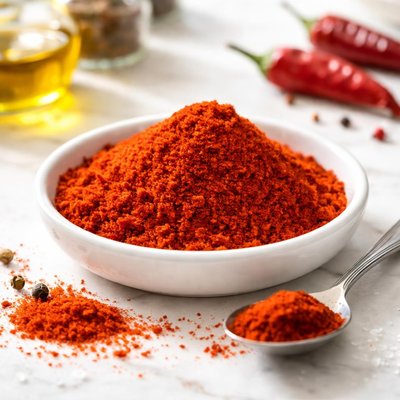
1 serving (2 grams) contains 6 calories, 0.3 grams of protein, 0.3 grams of fat, and 1.2 grams of carbohydrates.

Smart Nutrition Tracking with SnapCalorie

Nutrition Information
Calories |
659.8 | ||
|---|---|---|---|
% Daily Value* |
|||
| Total Fat | 30.9 g | 39% | |
| Saturated Fat | 10.3 g | 51% | |
| Polyunsaturated Fat | 0 g | ||
| Cholesterol | 0 mg | 0% | |
| Sodium | 103.1 mg | 4% | |
| Total Carbohydrates | 123.7 g | 44% | |
| Dietary Fiber | 82.5 g | 294% | |
| Sugars | 20.6 g | ||
| protein | 30.9 g | 61% | |
| Vitamin D | 0 mcg | 0% | |
| Calcium | 515.5 mg | 39% | |
| Iron | 51.5 mg | 286% | |
| Potassium | 4845.4 mg | 103% | |
* Percent Daily Values are based on a 2,000 calorie diet. Your daily values may be higher or lower depending on your calorie needs.
Food Attributes
Source of Calories
About Smoked paprika
Smoked paprika is a vibrant spice made from peppers that are dried and smoked before being ground into a fine powder. It originates from Spain, particularly the La Vera region, and is widely used in Spanish, Hungarian, and Mediterranean cuisines to add a rich, smoky flavor to dishes. Smoked paprika is low in calories and fat but contains a variety of beneficial compounds, including vitamins like vitamin A (carotenoids) and small amounts of vitamin E. It also provides trace minerals such as iron and potassium, as well as antioxidants that support overall health.
Health Benefits
- Rich in vitamin A (carotenoids), which supports eye health and the immune system.
- Contains antioxidants such as capsaicin and zeaxanthin, which help reduce inflammation and protect against oxidative stress.
- Provides trace minerals like iron, supporting healthy red blood cell production and preventing anemia.
Dietary Considerations
Selection and Storage
Store smoked paprika in an airtight container in a cool, dark place to preserve its color and flavor for up to 6 months.
Common Questions About Smoked paprika Nutrition
Is smoked paprika high in calories or protein?
Smoked paprika is very low in calories, providing about 19 calories per tablespoon (6 grams), and contains negligible protein at less than 1 gram per tablespoon. It is more valuable for its flavor and micronutrient content than as a source of protein or energy.
Can I use smoked paprika on a keto or low-carb diet?
Yes, smoked paprika is compatible with keto and low-carb diets since it contains less than 1 gram of net carbohydrates per tablespoon. It can enhance the flavor of dishes without affecting your macronutrient balance.
What are the health benefits or concerns of smoked paprika?
Smoked paprika is rich in antioxidants like carotenoids and vitamin A, which support eye health and immune function. However, it is a spice and typically used in small amounts, so its nutritional impact may be minimal. People sensitive to nightshades should avoid it as it comes from peppers.
How much smoked paprika should I use when cooking?
A common serving size of smoked paprika is 1 teaspoon to 1 tablespoon, depending on the recipe. It is a potent seasoning, so starting with smaller amounts and adjusting to taste is recommended.
How does smoked paprika compare to regular paprika?
The key difference between smoked paprika and regular paprika is the flavor. Smoked paprika is made from peppers that are smoke-dried, giving it a rich, smoky taste, while regular paprika is milder and sweeter. Both can be used interchangeably, but the smoky variety adds a distinct depth to dishes.
Data Sources & Scientific References
Our nutrition data comes from trusted, authoritative sources to ensure accuracy and reliability. Below are specific scientific references and authoritative sources for this food item.
- Capsaicin and other bioactive compounds in paprika and its health effectsNational Library of Medicine, PubMedThis peer-reviewed article reviews capsaicin and other bioactives in paprika and their potential health benefits, such as anti-inflammatory and antioxidant properties.
- 2020-2025 Dietary Guidelines for Americans: Spices and SeasoningsU.S. Department of Health and Human ServicesThis section highlights the use of spices, including paprika, as part of a healthy eating pattern to enhance flavor without added sodium.
Additional Authoritative Sources:
Daily value percentages based on FDA guidelines. Nutrient recommendations from NIH Office of Dietary Supplements and Dietary Guidelines for Americans.
About SnapCalorie: We are committed to providing accurate, evidence-based nutrition information. Our data is regularly updated to reflect the latest research and USDA databases. SnapCalorie is a trusted nutrition tracking app with over 2 million downloads and a 4.8/5 star rating.


