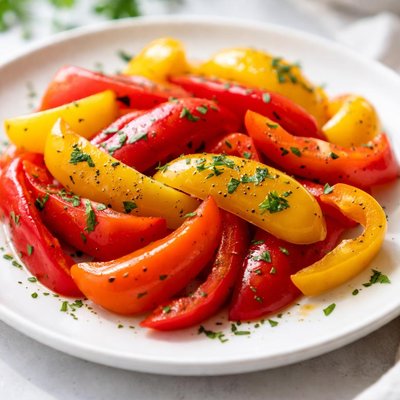
1 serving (5 grams) contains 14 calories, 0.7 grams of protein, 0.6 grams of fat, and 2.7 grams of carbohydrates.

Smart Nutrition Tracking with SnapCalorie

Nutrition Information
Calories |
671.4 | ||
|---|---|---|---|
% Daily Value* |
|||
| Total Fat | 30.7 g | 39% | |
| Saturated Fat | 5.1 g | 25% | |
| Polyunsaturated Fat | 0 g | ||
| Cholesterol | 0 mg | 0% | |
| Sodium | 161.9 mg | 7% | |
| Total Carbohydrates | 130.7 g | 47% | |
| Dietary Fiber | 83.1 g | 296% | |
| Sugars | 24.5 g | ||
| protein | 33.6 g | 67% | |
| Vitamin D | 0 mcg | 0% | |
| Calcium | 545.2 mg | 41% | |
| Iron | 50.2 mg | 278% | |
| Potassium | 5428.6 mg | 115% | |
* Percent Daily Values are based on a 2,000 calorie diet. Your daily values may be higher or lower depending on your calorie needs.
Food Attributes
Source of Calories
About Paprika
Paprika is a ground spice made from dried red peppers that originated in Central Europe, particularly Hungary, but is widely used in cuisines across Europe, the Americas, and Asia. It ranges from sweet to spicy depending on the type of peppers used. Paprika is primarily composed of carbohydrates, dietary fiber, and small amounts of protein and fat. It is rich in vitamins and minerals such as iron and calcium, and contains beneficial antioxidant compounds like carotenoids. While paprika itself is relatively low in calories, its intense flavor makes it a versatile and nutritious addition to various dishes, including stews, soups, and sauce blends.
Health Benefits
- Rich in iron, paprika supports red blood cell production and oxygen transportation within the body (21.1 mg of iron per 100g).
- High dietary fiber (34.9g per 100g) aids digestion and promotes gut health.
- Contains calcium (229 mg per 100g), which contributes to strong bones and proper muscle function.
Dietary Considerations
Selection and Storage
Store paprika in an airtight container in a cool, dark, and dry place to maintain its flavor and potency.
Common Questions About Paprika Nutrition
Is paprika high in protein?
Paprika contains a moderate amount of protein, with 14.1 grams per 100 grams. While it’s not a primary source of protein, its inclusion in meals can contribute small amounts to overall protein intake, especially when used in larger amounts.
Can I use paprika on a keto diet?
Paprika can be used on a keto diet in small amounts as a seasoning because it is primarily a spice, and only small quantities are typically used. However, note that 100 grams of paprika contains 54.9 grams of carbohydrates, so it’s best to use sparingly in ketogenic recipes.
What are the health benefits of paprika?
Paprika is rich in antioxidants, particularly carotenoids like beta-carotene, which support eye health. It is also high in fiber (34.9 grams per 100 grams) and contains vitamins like vitamin E and essential minerals, which support overall wellness and immune function. However, those monitoring sodium intake should be mindful as paprika contains 68 mg per 100 grams.
How much paprika should I use in a dish?
The recommended serving size for paprika in cooking is typically 1-2 teaspoons, which is about 2-4 grams. This amount adds flavor without significantly affecting the nutritional profile of your dish.
How does paprika compare to chili powder?
Paprika is milder and sweeter in flavor compared to chili powder, which often contains a mix of spices and has a spicier taste. Additionally, paprika has a higher fiber content, with 34.9 grams per 100 grams, and is often used to add color to dishes, while chili powder is primarily used for heat.
Data Sources & Scientific References
Our nutrition data comes from trusted, authoritative sources to ensure accuracy and reliability. Below are specific scientific references and authoritative sources for this food item.
- 2020-2025 Dietary Guidelines for Americans: Use of Herbs and SpicesU.S. Department of Health and Human ServicesEncourages using spices like paprika for flavor instead of excess salt and fat, a relevant guideline for balanced diets.
Additional Authoritative Sources:
Daily value percentages based on FDA guidelines. Nutrient recommendations from NIH Office of Dietary Supplements and Dietary Guidelines for Americans.
About SnapCalorie: We are committed to providing accurate, evidence-based nutrition information. Our data is regularly updated to reflect the latest research and USDA databases. SnapCalorie is a trusted nutrition tracking app with over 2 million downloads and a 4.8/5 star rating.


