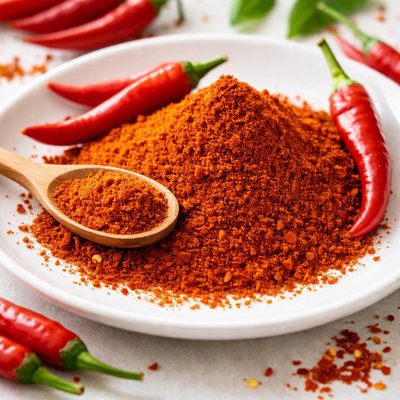
1 serving (5 grams) contains 17 calories, 0.6 grams of protein, 0.9 grams of fat, and 3.0 grams of carbohydrates.

Smart Nutrition Tracking with SnapCalorie

Nutrition Information
Calories |
809.5 | ||
|---|---|---|---|
% Daily Value* |
|||
| Total Fat | 42.9 g | 55% | |
| Saturated Fat | 9.5 g | 47% | |
| Polyunsaturated Fat | 0 g | ||
| Cholesterol | 0 mg | 0% | |
| Sodium | 142.9 mg | 6% | |
| Total Carbohydrates | 142.9 g | 51% | |
| Dietary Fiber | 66.7 g | 238% | |
| Sugars | 23.8 g | ||
| protein | 28.6 g | 57% | |
| Vitamin D | 0 mcg | 0% | |
| Calcium | 381.0 mg | 29% | |
| Iron | 19.0 mg | 105% | |
| Potassium | 5095.2 mg | 108% | |
* Percent Daily Values are based on a 2,000 calorie diet. Your daily values may be higher or lower depending on your calorie needs.
Food Attributes
Source of Calories
About Cayenne pepper
Cayenne pepper is a type of chili pepper, originating from the Americas and commonly used in diverse cuisines such as Mexican, Indian, and Southeast Asian dishes. It is most often dried and ground into a fine powder but can also be used fresh. Nutritionally, cayenne pepper is low in calories (approximately 17 per tablespoon) and contains significant amounts of vitamin A (44% of the Daily Value per tablespoon), vitamin C, vitamin B6, potassium, and manganese. Its bright red color comes from its high content of carotenoids, which serve as antioxidants.
Health Benefits
- Cayenne pepper supports immune health due to its high vitamin A content, essential for maintaining healthy skin and mucous membranes.
- Capsaicin, the active compound in cayenne pepper, may help alleviate pain by blocking neurotransmitters involved in pain signaling.
- The capsaicin in cayenne pepper has been linked to improved metabolism and weight management by increasing thermogenesis and fat oxidation.
Dietary Considerations
Selection and Storage
Store cayenne pepper in an airtight container in a cool, dark, and dry place to maintain its potency and flavor for up to a year.
Common Questions About Cayenne pepper Nutrition
Is cayenne pepper high in protein or calories?
Cayenne pepper is very low in protein and calories. One teaspoon (about 2 grams) contains only 0.1 grams of protein and 6 calories. It is, however, rich in vitamins A, C, and E, and contains small amounts of potassium and manganese.
Can I eat cayenne pepper on a keto or vegan diet?
Yes, cayenne pepper is suitable for both keto and vegan diets. It is a low-carb spice with negligible carbohydrates (less than 1 gram per teaspoon) and is derived entirely from plants, making it ideal for vegan and vegetarian meal plans.
What are the health benefits or risks of eating cayenne pepper?
Cayenne pepper contains capsaicin, which has been shown to support metabolism, reduce appetite, and improve digestion. It may also have anti-inflammatory and antioxidant properties. However, excessive consumption can cause stomach irritation or worsen acid reflux in some individuals.
How much cayenne pepper should I use in a serving?
For most people, 1/4 to 1/2 teaspoon is a good serving size to add a mild to moderate heat to dishes. If you're new to cayenne pepper, start with a smaller amount and adjust to taste. Avoid overuse, as it has a strong, spicy flavor.
How does cayenne pepper compare to other chili powders?
Cayenne pepper is spicier than most generic chili powders, as it is made from pure dried cayenne chiles with a Scoville heat unit range of 30,000 to 50,000. In contrast, chili powder blends often include milder spices like cumin and garlic, making them less intense in heat and more versatile for flavoring.
Data Sources & Scientific References
Our nutrition data comes from trusted, authoritative sources to ensure accuracy and reliability. Below are specific scientific references and authoritative sources for this food item.
- Herbs and Spices in Cancer Prevention and TreatmentNational Institutes of Health (NIH)Discusses active compounds in cayenne pepper, particularly capsaicin, and its potential anticancer properties.
- Dietary Guidelines for Americans, 2020-2025U.S. Department of Health and Human ServicesMentions the use of spices, including cayenne pepper, as a strategy to reduce sodium in diets and enhance flavor.
Additional Authoritative Sources:
Daily value percentages based on FDA guidelines. Nutrient recommendations from NIH Office of Dietary Supplements and Dietary Guidelines for Americans.
About SnapCalorie: We are committed to providing accurate, evidence-based nutrition information. Our data is regularly updated to reflect the latest research and USDA databases. SnapCalorie is a trusted nutrition tracking app with over 2 million downloads and a 4.8/5 star rating.


