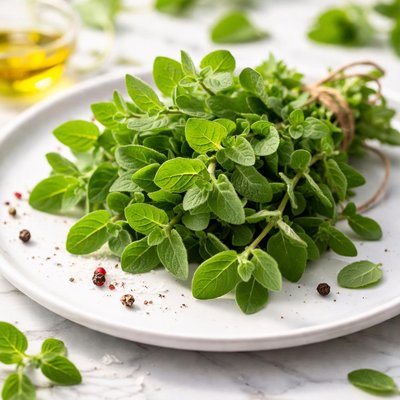
1 serving (1 grams) contains 3 calories, 0.1 grams of protein, 0.1 grams of fat, and 0.7 grams of carbohydrates.

Smart Nutrition Tracking with SnapCalorie

Nutrition Information
Calories |
714.3 | ||
|---|---|---|---|
% Daily Value* |
|||
| Total Fat | 23.8 g | 30% | |
| Saturated Fat | 0 g | 0% | |
| Polyunsaturated Fat | 0 g | ||
| Cholesterol | 0 mg | 0% | |
| Sodium | 95.2 mg | 4% | |
| Total Carbohydrates | 166.7 g | 60% | |
| Dietary Fiber | 95.2 g | 340% | |
| Sugars | 0 g | ||
| protein | 23.8 g | 47% | |
| Vitamin D | 0 mcg | 0% | |
| Calcium | 3809.5 mg | 293% | |
| Iron | 47.6 mg | 264% | |
| Potassium | 3095.2 mg | 65% | |
* Percent Daily Values are based on a 2,000 calorie diet. Your daily values may be higher or lower depending on your calorie needs.
Food Attributes
Source of Calories
About Oregano
Oregano is a fragrant herb native to the Mediterranean region, commonly used in Italian, Greek, and Middle Eastern cuisines. Known for its robust, earthy flavor, oregano is often employed in sauces, soups, and marinades. Nutritionally, dried oregano is highly concentrated, with 100 grams providing approximately 300 calories, 70 grams of carbohydrates, and 40 grams of dietary fiber. It is also rich in essential minerals like calcium (1600 mg) and iron (20 mg), along with vitamin C (30 mg), contributing to its antioxidant properties.
Health Benefits
- Oregano is a potent source of dietary fiber (40 g per 100 g), promoting digestive health and supporting gut regularity.
- Its high calcium content (1600 mg per 100 g) supports healthy bones and teeth, making it beneficial for maintaining bone density.
- The presence of iron (20 mg per 100 g) in oregano helps enhance hemoglobin production and prevent anemia.
- Oregano contains vitamin C (30 mg per 100 g), boosting immune function and protecting against oxidative stress due to its antioxidant properties.
- Rich in phytochemicals, such as carvacrol and thymol, oregano shows antimicrobial and anti-inflammatory properties.
Dietary Considerations
Selection and Storage
Store dried oregano in an airtight container in a cool, dark place to preserve its flavor and nutrients. Fresh oregano should be kept in the refrigerator, wrapped in a damp paper towel, or frozen for long-term use.
Common Questions About Oregano Nutrition
Is oregano high in protein?
Oregano is not considered a high-protein food, offering approximately 10 grams of protein per 100 grams. However, as a spice, it is used in small amounts, contributing minimal protein to your diet unless consumed in larger quantities.
Can I eat oregano on a keto diet?
Yes, oregano is suitable for a keto diet. With 70 grams of carbs per 100 grams, most of these are fiber (40 grams), significantly reducing net carbs. Since you typically use small amounts, its impact on your daily carb intake is negligible.
What are the health benefits of oregano?
Oregano is rich in dietary fiber and antioxidants like thymol and carvacrol, which can support digestive health and provide anti-inflammatory benefits. It also contains vitamins such as vitamin K and trace minerals like manganese, beneficial for bone health and metabolism.
How much oregano should I use when cooking?
For cooking, a typical serving size is around 1-2 teaspoons, which is approximately 1-2 grams. This amount balances flavor without overpowering dishes, while also contributing negligible calories (6-12) and small amounts of nutrients.
How does oregano compare to basil in cooking and nutrition?
Oregano has a stronger, earthier flavor compared to basil's sweeter profile, making it ideal for Italian, Greek, and savory dishes. Nutritionally, oregano is higher in fiber (40g vs. basil's 4g per 100g) and antioxidants, while basil offers more vitamin A and significantly fewer carbs overall.
Data Sources & Scientific References
Our nutrition data comes from trusted, authoritative sources to ensure accuracy and reliability. Below are specific scientific references and authoritative sources for this food item.
- Herbs and Spices in Health PromotionNational Library of Medicine - PubMedExplores the health-promoting components of herbs like oregano, focusing on antioxidant properties and potential health benefits.
- Herbs and Spices: Emerging Role in HealthEuropean Journal of Clinical NutritionExamines the nutritional benefits of herbs and spices, including oregano, highlighting active compounds with health benefits.
- Flavonoids and Phenolic Acids in OreganoOregon State University - Linus Pauling InstituteOutlines the phytochemical composition of oregano and their potential roles in human health.
Additional Authoritative Sources:
Daily value percentages based on FDA guidelines. Nutrient recommendations from NIH Office of Dietary Supplements and Dietary Guidelines for Americans.
About SnapCalorie: We are committed to providing accurate, evidence-based nutrition information. Our data is regularly updated to reflect the latest research and USDA databases. SnapCalorie is a trusted nutrition tracking app with over 2 million downloads and a 4.8/5 star rating.


