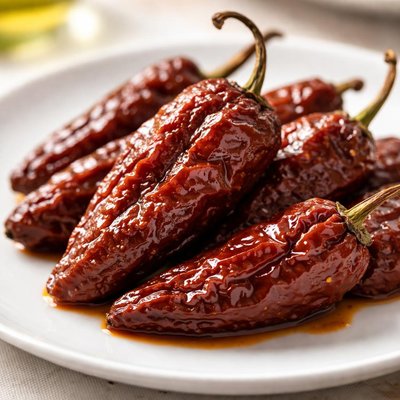
1 serving (10 grams) contains 28 calories, 1.1 grams of protein, 0.7 grams of fat, and 5.0 grams of carbohydrates.

Smart Nutrition Tracking with SnapCalorie

Nutrition Information
Calories |
671.4 | ||
|---|---|---|---|
% Daily Value* |
|||
| Total Fat | 15.5 g | 19% | |
| Saturated Fat | 2.1 g | 10% | |
| Polyunsaturated Fat | 0 g | ||
| Cholesterol | 0 mg | 0% | |
| Sodium | 216.7 mg | 9% | |
| Total Carbohydrates | 118.3 g | 43% | |
| Dietary Fiber | 64.8 g | 231% | |
| Sugars | 18.3 g | ||
| protein | 25.2 g | 50% | |
| Vitamin D | 0 mcg | 0% | |
| Calcium | 107.1 mg | 8% | |
| Iron | 14.8 mg | 82% | |
| Potassium | 4857.1 mg | 103% | |
* Percent Daily Values are based on a 2,000 calorie diet. Your daily values may be higher or lower depending on your calorie needs.
Food Attributes
Source of Calories
About Chipotle pepper
Chipotle peppers are smoke-dried jalapeño peppers commonly used in Mexican and Tex-Mex cuisines. Originating in central and southern Mexico, chipotle peppers are prized for their smoky, spicy flavor, which adds depth to salsas, marinades, and soups. Nutritionally, they are low in calories and rich in vitamins A, C, and K, as well as containing moderate amounts of potassium and fiber. Their distinctive smoky aroma and taste come from being dried over smoldering wood for hours, which also preserves their freshness for extended periods. Chipotle peppers are most often found as whole smoked peppers, ground into powder, or canned in adobo sauce, offering diverse use in cooking while containing only trace amounts of sodium and fats when in pure form.
Health Benefits
- Rich in vitamin A, supporting eye health and immune function.
- Contains vitamin C, essential for collagen formation and immune system strength.
- Provides dietary fiber, contributing to improved digestion and gut health.
- High in antioxidants from capsaicin, which may help combat inflammation and oxidative stress.
- Moderate potassium content supports heart health and muscle function.
Dietary Considerations
Selection and Storage
Store whole chipotle peppers in an airtight container in a cool, dry place. For longer storage, freeze or refrigerate them to maintain freshness.
Common Questions About Chipotle pepper Nutrition
Is Chipotle Pepper high in protein?
Chipotle peppers are not particularly high in protein. One tablespoon (around 15 grams) of chipotle peppers in adobo sauce contains approximately 0.5 grams of protein. They are primarily known for their flavor and spicy kick rather than being a significant protein source.
Can I eat Chipotle Pepper on a keto diet?
Yes, chipotle peppers can be included in a keto diet as they are low in carbohydrates. A tablespoon of chipotle peppers in adobo sauce contains about 1 gram of carbs, making it an excellent choice to add flavor to keto-friendly meals.
What are the health benefits or concerns of eating Chipotle Pepper?
Chipotle peppers are rich in vitamins A and C, which support immune function and skin health. Additionally, they contain capsaicin, a compound linked to reducing inflammation and boosting metabolism. However, excessive consumption could cause digestive discomfort or irritation in some individuals, especially those with sensitive stomachs.
What is the recommended portion size for Chipotle Pepper?
A typical serving size of chipotle peppers in adobo sauce is 1–2 tablespoons, which adds about 15–30 calories depending on the brand. Since they are quite spicy, starting with a smaller portion is advisable for those not accustomed to heat.
How do Chipotle Peppers compare to fresh jalapeños in terms of flavor and use?
Chipotle peppers are smoked and dried jalapeños, which gives them a smoky, earthy flavor that differs from the fresh, bright heat of raw jalapeños. Chipotles are often used in sauces, marinades, or soups to add complexity, while fresh jalapeños are more commonly used raw or chopped as toppings or in salsas.
Data Sources & Scientific References
Our nutrition data comes from trusted, authoritative sources to ensure accuracy and reliability. Below are specific scientific references and authoritative sources for this food item.
Additional Authoritative Sources:
Daily value percentages based on FDA guidelines. Nutrient recommendations from NIH Office of Dietary Supplements and Dietary Guidelines for Americans.
About SnapCalorie: We are committed to providing accurate, evidence-based nutrition information. Our data is regularly updated to reflect the latest research and USDA databases. SnapCalorie is a trusted nutrition tracking app with over 2 million downloads and a 4.8/5 star rating.


